
A pellet grill that shuts down halfway through a cook is more than an annoyance. It can leave you with undercooked food, a hopper full of fuel, and an overfilled fire pot waiting to create a smoky, messy restart. Effective pellet flameout prevention comes down to protecting three things: fuel quality, airflow, and the grill’s ability to maintain a small, stable fire.
Most flameouts are not random controller failures. They are usually the result of wet or degraded pellets, ash restricting combustion, poor startup habits, or operating conditions that push a grill beyond what its airflow and controller can handle. Fixing the cause is usually simpler than replacing parts.
What a Pellet Grill Flameout Actually Means
A pellet grill maintains heat by feeding small amounts of pellets into a fire pot while a fan supplies oxygen. The controller reads the cooking temperature and adjusts pellet delivery to hold the set point. If the fire runs out of usable fuel, loses airflow, or gets smothered by ash and excess pellets, the flame dies.
The controller may not recognize the problem immediately. It can continue feeding pellets because it sees a falling temperature and assumes the fire needs more fuel. That is why opening the lid after a flameout can reveal a fire pot packed with unburned pellets. Restarting without clearing that buildup is a bad idea. The next ignition cycle can create a large, dirty fire and an uncontrolled temperature spike.
A brief temperature dip is not necessarily a flameout. Lid openings, cold meat, wind, and the normal cycling of many pellet grills all cause swings. A true flameout is usually marked by a steady temperature decline, thinning smoke that eventually disappears, and a fire pot full of pellets after shutdown.
Pellet Flameout Prevention Starts Before You Cook
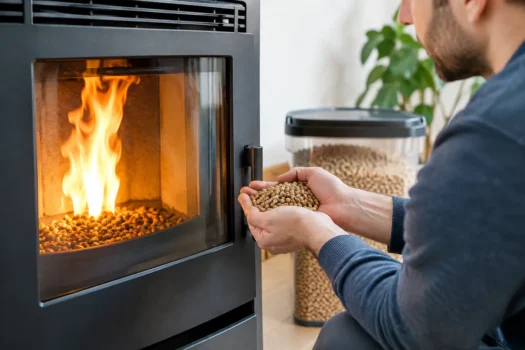
The pellets in the hopper are part of the combustion system, not just a convenience item. Good pellets should be dry, firm, and glossy enough to look freshly compressed. They should snap when broken. Pellets that look dull, swollen, crumbly, or heavily coated in sawdust have absorbed moisture or broken down in storage.
Moist pellets burn poorly and create more ash. Fine dust can also restrict the auger, feed inconsistently, and pile up in the fire pot. A bag left open in a humid garage can be enough to cause trouble, even if the pellets do not look obviously wet.
Store pellets in an airtight container, off the concrete floor and away from direct rain or irrigation. If you cook infrequently, do not treat the hopper as long-term storage. Empty it after the cook or before a long stretch of wet weather, especially if your grill lives outside under a cover.
Pellet quality matters too, but the most expensive bag is not automatically the most reliable. What matters is consistent pellet size, low dust, and dependable burn behavior. If flameouts began after switching pellet brands, run a few cooks with a fresh bag from a known, reliable source before assuming the grill has a mechanical problem.
Clean the Fire Pot on a Real Schedule
Ash management is the maintenance task owners skip most often. A pellet grill can still light and cook with a dirty fire pot, right up until it cannot. As ash builds beneath and around the burn area, it blocks the air path the fire needs. The grill may struggle at low temperatures first, then flame out during a longer cook.
For most home users, vacuuming the fire pot after every two to four cooking sessions is sensible. Clean it before every cook if you are running long overnight sessions, using lower-quality pellets, or cooking in damp conditions. A fast high-heat burn for burgers can leave less ash than a 12-hour pork shoulder, so use actual cooking time and residue as your guide rather than following a rigid calendar.
With the grill completely cool and unplugged, remove the grates, grease tray, and heat diffuser as your model requires. Vacuum loose ash from the fire pot and surrounding bottom chamber. Check that the ignition rod is not buried, cracked, or heavily coated with residue. Also clear ash from air openings around the pot.
Do not ignore grease while you are there. Grease is not usually the direct cause of a flameout, but a neglected grease system creates its own fire risk and makes diagnosing smoke and temperature problems harder.
Startup Habits That Prevent Mid-Cook Failures
Many flameout problems begin during startup. The grill needs a clean fire pot, working igniter, and enough time to establish a flame before the cook begins. Starting a grill with a lid closed when the manufacturer specifies an open-lid ignition can trap heavy startup smoke and delay a clean burn. Follow the startup sequence in your owner’s manual rather than using a routine borrowed from another grill.
Wait for the grill to reach its initial stable temperature before loading a large amount of cold food. A controller can recover from a couple of burgers without much trouble. A full brisket, several cold racks of ribs, or a packed tray of chicken can absorb enough heat to prolong recovery, particularly on a smaller pellet grill in cold weather.
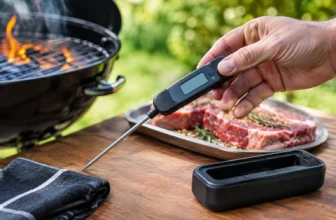
Avoid repeatedly opening the lid to check progress during the first 20 to 30 minutes. Each opening dumps heat and forces the controller to react. On some grills, that can lead to a cycle of aggressive pellet feeding followed by smoldering combustion. Use a reliable probe thermometer and leave the lid shut when there is no reason to open it.
Wind, Cold, and Low-Temperature Cooking Change the Equation
Pellet grills are outdoor appliances, and weather has a real effect on them. Strong wind can disrupt exhaust flow, cool the cooking chamber, and interfere with a small fire at low settings. Cold temperatures make the grill work harder to maintain heat. Rain raises the risk of pellets taking on moisture if the hopper or lid seal is compromised.
Low-and-slow cooking is where marginal conditions show up first. A grill holding 225°F is feeding a modest amount of fuel and relying on a small, controlled fire. If airflow is poor or the wind is hitting the exhaust directly, that small fire has less margin for error than a grill running at 350°F.
Position the grill where it has open clearance but some protection from direct wind. Do not operate it in an enclosed garage, under a low ceiling, or where exhaust can collect. If you routinely cook through winter, an insulated blanket designed for your specific grill can improve temperature stability. It is not a cure for dirty components or wet pellets, but it can reduce the load on the controller in harsh conditions.
Check the Parts That Control Fuel and Air
If clean, dry pellets and a vacuumed fire pot do not solve repeat flameouts, inspect the operating parts before buying a new controller. Start with the combustion fan. With the grill running through its startup cycle, verify that the fan is operating and that airflow is not blocked by debris, insects, or grease buildup. A weak or intermittent fan can let the fire smolder until it goes out.
Then look at the auger system. Pellets should feed consistently without grinding, squealing, or stopping. Excess sawdust in the hopper, a damp pellet jam, or a worn auger motor can create inconsistent fuel delivery. If the hopper bridges, where pellets form a hollow pocket instead of falling toward the auger, gently stir the pellets only when the grill is off and cool. Do not reach into a running hopper.
A dirty temperature sensor can also cause bad decisions from the controller. Wipe the probe gently with a nonabrasive pad or cloth after the grill has cooled. Heavy grease and soot can make it read inaccurately, leading to overfeeding or underfeeding.
What to Do When a Flameout Happens
Do not simply turn the grill off and back on. Shut it down according to the manufacturer’s procedure, let it cool fully, and remove the accumulated pellets and ash from the fire pot. Check the hopper for damp pellets, excessive dust, or an auger blockage before attempting another ignition.
If the grill repeatedly flames out at the same temperature or after a similar amount of cooking time, keep notes. Record the weather, set temperature, pellet brand, cleaning interval, and whether the grill struggled during startup. Patterns matter. A grill that fails only in high wind needs a different fix than one that flames out after every three cooks because the pot is filling with ash.
Pellet grills reward basic maintenance more than fancy accessories. Keep the fuel dry, keep the fire pot clear, give the grill a sensible place to run, and do not restart on top of unburned pellets. That routine is not exciting, but it is what keeps dinner moving instead of turning a backyard cook into a teardown.