
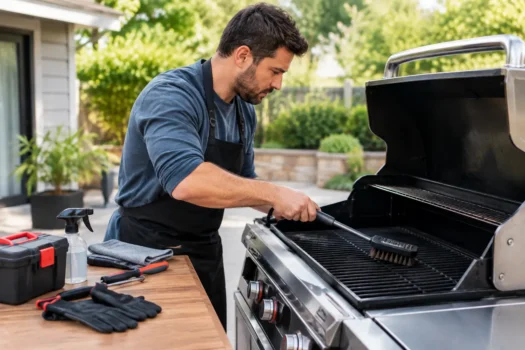
A cheap grill can become an expensive grill if it needs a new burner set, igniter, grates, and cover within three seasons. This grill maintenance costs guide looks past the purchase price and at what it actually costs to keep a backyard grill safe, clean, and cooking consistently.
The short answer is that most owners should budget $50 to $250 per year for basic grill upkeep, excluding food and regular fuel. A simple charcoal kettle usually lands at the low end. A pellet grill with electronics, moving parts, and a dedicated cover can land much higher, especially once it is out of warranty. Those ranges are not fixed bills. They depend on climate, cooking frequency, storage, and whether you handle basic work yourself.
What Grill Maintenance Actually Includes
Maintenance is not just scraping the grate after burgers. The recurring cost comes from cleaning supplies, protection from weather, replacement parts, and occasional service. A grill that stays outside year-round in a wet or coastal climate will need more attention than one stored under cover in a dry garage.
The good news is that basic care is usually cheap. The expensive part is neglect. Grease buildup creates flare-ups, blocked burners cause uneven heat, and wet ash eats away at steel. Waiting until a component fails can turn a $15 cleaning job into a $150 parts order.
For most owners, the core budget breaks down like this:
| Expense | Typical cost | How often it comes up | |—|—:|—| | Brush, scraper, degreaser, and rags | $20-$50 | Per year | | Drip pans or grease liners | $10-$40 | Per year, depending on use | | Quality fitted cover | $40-$100 | Every 2-5 years | | Grates, flavorizer bars, or heat deflectors | $50-$250 | Every 3-7 years | | Burners, igniters, hoses, or regulators | $20-$200 | As needed, often 3-8 years | | Professional repair or deep cleaning | $100-$300+ | Optional, as needed |
These are realistic ownership costs, not a promise that every grill will need every part on schedule. Stainless steel components generally last longer than thin porcelain-coated steel, but grade and construction matter. “Stainless” on a product listing tells you very little by itself.
Grill Maintenance Costs by Fuel Type
Gas grills
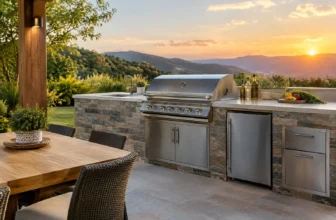
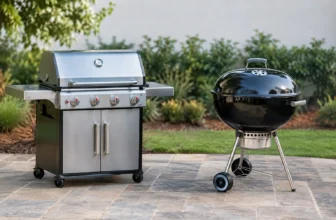
Gas grills have the widest range of maintenance costs because their designs range from basic two-burner carts to large built-in units with multiple burners, valves, ignition modules, lights, and rotisserie systems. Plan on roughly $75 to $250 a year for routine upkeep and an occasional part replacement.
The common wear items are burner tubes, crossover tubes, igniters, heat diffusers, grease trays, hoses, and regulators. An igniter might cost $15 to $40. A full set of burners and flavorizer bars can cost $100 to $300, depending on size and whether the grill uses quality stainless parts.
Gas itself is an operating cost, not maintenance, but it affects your ownership budget. Propane users may spend $20 to $35 per tank exchange or refill, while natural gas users avoid tank swaps but should inspect the hose and connections regularly. Before each season, check for leaks with soapy water and replace cracked hoses immediately. This is a small cost that should never be postponed.
Charcoal grills
Charcoal grills are usually the least expensive to maintain. A basic kettle may need only a cover, a grate brush or scraper, and an occasional replacement cooking grate. Budget $30 to $100 yearly for maintenance on a well-built charcoal grill.
Ash management is the main issue. Ash holds moisture, and wet ash can corrode the bowl, vents, and ash catcher. Empty it once it is fully cool, especially before storing the grill. A neglected charcoal grill can rust out surprisingly fast even though it has fewer parts to fail.
Ceramic kamado grills have different economics. Their ceramic bodies can last for decades, but gaskets, felt seals, fire grates, and heat deflectors eventually wear out. Replacing a gasket is not usually costly, but a cracked ceramic component can be. Careful handling matters more than aggressive cleaning.
Pellet grills
Pellet grills are convenient, but they require more routine attention than many first-time buyers expect. A realistic maintenance budget is $100 to $300 per year, with higher potential repair costs after the warranty ends.
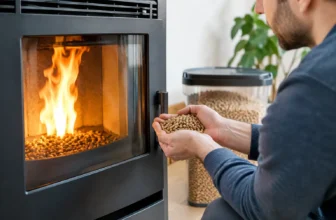
You need to vacuum ash from the fire pot and barrel regularly, clean grease from the drip system, inspect the temperature probe, and keep pellets dry. Damp pellets swell, break down, and can create auger jams. That is not a minor annoyance. Clearing a jam can take time, and a failed auger or motor can cost $75 to $250 in parts.
The igniter rod, combustion fan, auger motor, controller, and temperature probe are all eventual failure points. Not every pellet grill will need them early, but these are electronics and moving components exposed to heat, grease, ash, and outdoor weather. A cover is not optional if the grill stays outdoors.
Electric grills and griddles
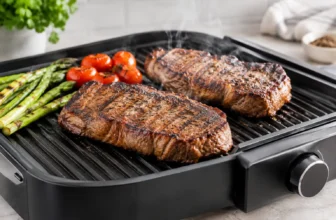
Electric grills typically have fewer consumable parts, but heating elements and controllers can be costly or hard to source on lower-priced models. Expect $40 to $150 annually for cleaning, protection, and minor replacement needs. If the element fails outside warranty, compare the repair cost against a replacement unit before spending money.
Outdoor griddles need special attention, too. The recurring expense is usually oil and cleaning supplies, but rust prevention is the real job. A bare rolled-steel griddle top needs to be dried, lightly oiled, and protected after use. Skip that work for a few wet weeks and you may be restoring rust instead of cooking dinner.
The Costs That Are Worth Paying
A fitted cover, a proper grill brush or scraper, degreaser, and replacement grease pans are not glamorous purchases. They are usually the best value in the whole ownership cycle. Spending $60 on a cover makes sense if it prevents a $200 burner and grate replacement a year early.
Do not buy a cover that traps water or fits like a tarp. A breathable, correctly sized cover that can be secured in wind is more useful than a bargain cover that tears after one season. In humid climates, uncover the grill on dry days and let moisture escape rather than sealing condensation against the metal.
Replacement grates are another place to avoid false savings. If cast-iron grates are rusty but structurally sound, they can often be cleaned and re-seasoned. Thin porcelain-coated grates with extensive chipping are often better replaced. Bare steel underneath the chipped coating will continue to rust, and loose coating is not something you want around food.
How to Keep Annual Costs Low Without Cutting Corners
The most effective maintenance plan is simple: clean grease before it hardens, remove ash before it gets wet, and keep water out of the grill. Doing those three things consistently prevents a large share of avoidable repairs.
After each cook, run a gas grill hot for several minutes and scrape the grates. For charcoal and pellet cookers, wait until the unit is cold before removing ash. Every few cooks, empty the grease tray or cup. Every few months, inspect burners, fasteners, gaskets, wheels, and the lid seal for damage.
At the start of grilling season, take the grates and heat-management parts out, clear debris from the firebox, inspect the igniter and fuel connections, and check that grease can drain freely. Pellet grill owners should vacuum the fire pot and hopper area before long cooks. This is basic work, not a dealer-only procedure, and it can save real money.
Avoid using a pressure washer on grills with painted finishes, electronic controls, or gas components. It may feel productive, but it can force water into places it does not belong and strip protective coatings. A plastic scraper, nylon brush, mild degreaser, warm water, and a shop vacuum handle most jobs.
When Repair Stops Making Financial Sense
Replacement parts are sensible when the grill body, lid, and firebox are still solid. Replacing burners on a five-year-old gas grill is normal. Replacing burners, grates, heat diffusers, ignition parts, and a regulator on a rusted-out grill is usually throwing good money after bad.
As a practical rule, reconsider repair when the total parts and labor cost reaches 40% to 50% of the price of a comparable new grill, especially if the firebox is corroded or replacement parts are becoming hard to find. Built-in grills and premium models are exceptions because their replacement cost is much higher and parts support is often better.
The cheapest grill to own is not always the one with the lowest sticker price. Buy a grill with available replacement parts, keep grease and moisture under control, and spend a few minutes on it after cooking. That is how a grill earns its place in the backyard instead of becoming another bulky curbside problem.