 globalgrillguidecom
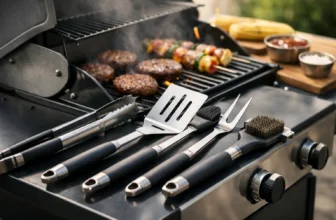
A dirty grill does more than look bad. Grease buildup can cause flare-ups, restrict airflow, ruin temperature control, and make last week’s fish taste like tonight’s burgers. The best grill cleaning kits make regular maintenance faster, but only when the tools match your grill and the way you cook.
A kit is not automatically better because it has more pieces. Some include a flimsy brush, a small bottle of cleaner, and accessories that never leave the drawer. Others cover the jobs that actually matter: grate cleaning, grease removal, interior scraping, and wiping down exterior surfaces. No hype. No lifestyle fluff. Just tools that help keep a grill cooking predictably.
What the Best Grill Cleaning Kits Should Include
For most backyard grills, a useful kit needs three basics: a grate-cleaning tool, a scraper for carbon and grease deposits, and a cleaner that is safe for the surfaces you own. Microfiber cloths and disposable wipes are helpful, but they are not a substitute for the first three.
The right grate tool depends on your cooking grates. Stainless steel grates tolerate more aggressive cleaning than porcelain-coated cast iron. Cast iron needs a gentler approach and should be dried promptly to avoid rust. Pellet grill owners also need to think beyond the grates, since ash removal and grease-channel cleaning are part of normal ownership.
Be cautious with inexpensive wire-bristle brushes. They clean quickly, but loose bristles are a real safety concern, especially when the brush is worn or used on damaged grates. Bristle-free coil brushes, steam-cleaning heads, grill stones, and flat scrapers are slower in some cases, but they remove that risk.
7 Best Grill Cleaning Kits and Setups
1. Weber Grill Cleaning Kit – Best for Gas Grill Owners
Weber’s cleaning kits are a sensible match for Weber gas grills and are also useful for many other conventional gas grills. The appeal is not novelty. It is that the tools are generally aimed at the jobs gas-grill owners face most often: brushing grates, clearing grease, cleaning the cook box, and wiping stainless or painted exterior panels.
This is a good choice for someone who wants a coordinated starter set rather than assembling tools one by one. Check the specific kit contents before buying, since Weber offers different configurations. The limitation is simple: if your grill has heavy, neglected carbon buildup, the included brush and cleaner may not be enough by themselves. You may still need a sturdier scraper.
2. Grill Rescue Cleaning Kit – Best Bristle-Free Option
Grill Rescue kits use a heat-resistant cleaning head designed to work with water and steam. On a hot grill, the wet head loosens fresh food residue and grease without relying on metal bristles. That makes it a strong option for households that want to avoid wire brushes altogether.
It works best as part of a regular post-cook routine. Steam cleaning is effective on warm grates with fresh residue, but it is not magic against years of baked-on carbon. For neglected grates or the interior of a grill, pair it with a separate scraper. Replacement heads also add to long-term cost, so this is better for owners who value safety and convenience over the lowest possible price.
3. Kona Safe/Clean Grill Brush Kit – Best for Heavy Grates
Kona’s bristle-free grill brushes are built around coiled stainless-steel cleaning surfaces rather than traditional exposed bristles. They are particularly useful on heavy stainless and cast-iron grates where a soft cloth or steam head may not have enough bite.
The trade-off is effort. Coil-style brushes usually need more passes than a stiff wire brush, and they work best when the grill is hot. They are also not the right choice for every delicate coated surface. Still, for owners who cook often and want a durable, bristle-free grate tool, this is a more practical long-term buy than many oversized cleaning kits full of extras.
4. Traeger Grill Cleaning Kit – Best for Pellet Grills
Pellet grills create a different cleaning routine. Grease accumulates in the drip tray and channel, while ash collects in the firepot and lower barrel. A grate brush alone will not keep a pellet cooker running well. Traeger’s cleaning kit and related cleaner products are geared toward the exterior, grates, and grease-management areas that pellet grill owners regularly deal with.
This is a practical option if you own a Traeger and prefer manufacturer-specific accessories. But do not mistake a cleaning kit for a complete pellet-grill maintenance plan. You still need a shop vacuum or ash vacuum for periodic firepot cleaning. Skipping that step can affect ignition and temperature consistency.
5. Blackstone Professional Griddle Cleaning Kit – Best for Flat-Tops
A flat-top griddle is not a grill grate, and it should not be cleaned like one. Blackstone’s cleaning kits typically focus on the tools that matter for a steel cooking surface: a scraper, abrasive pads or holder, and tools for managing residue and oil.
For a Blackstone or similar outdoor griddle, this is one of the few kit types that makes immediate sense. A wide scraper removes food debris while the surface is warm, and cleaning pads help reset the cooktop before re-oiling. The key is restraint. Do not aggressively strip a well-seasoned surface after every cook. Clean off residue, apply a thin layer of oil, and save deep restoration work for rust or damaged seasoning.
6. Cuisinart Grill Cleaning Kit – Best Budget Starter Kit
Cuisinart offers basic grill-cleaning kits that can make sense for a first-time grill owner or a secondary patio grill. They are usually affordable and cover straightforward jobs without requiring a big investment.
This is the kind of kit to buy when your grill is already in decent condition and you need a simple maintenance routine. It is not the best choice for a large built-in grill, a smoker with years of residue, or anyone who needs commercial-grade tools. Inspect the brush construction carefully and replace it at the first sign of loose bristles, bent hardware, or a cracked handle.
7. A Build-Your-Own Kit – Best Overall for Most Households
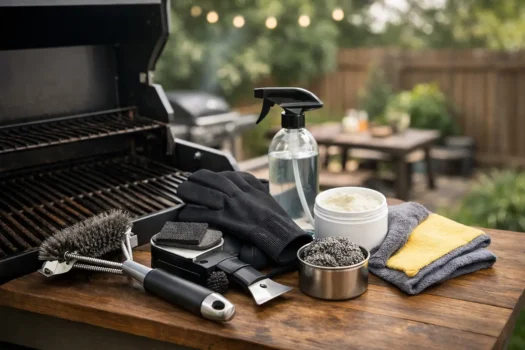
The most effective setup for many grill owners is not a boxed kit at all. It is a small group of better tools chosen for the grill you actually own. Start with a bristle-free grate cleaner or scraper, add a plastic or metal putty knife for interior buildup, use a grill-safe degreaser, and keep two microfiber cloths on hand – one for cleaner and one for drying.
For gas grills, add a narrow brush for burner ports and a drip-pan scraper. For charcoal grills, add an ash tool and a stiff brush for the bowl. For pellet grills, add an ash vacuum and disposable drip-tray liners if your model uses them. This approach costs a little more upfront than a bargain kit, but it avoids paying for tools that do not solve your real maintenance problems.
How to Choose the Right Kit for Your Grill
Start with the cooking surface, not the package label. Porcelain-coated cast iron needs a gentler tool than bare stainless steel. A flat-top needs a scraper and seasoning routine. A pellet grill needs ash management. A gas grill needs attention around burners, flavorizer bars or heat diffusers, and grease trays.
Then consider how often you cook. If you grill once or twice a month, a basic kit and a simple after-cook wipe-down may be enough. If you cook several times a week, spend more on a durable grate tool and a proper scraper. Cheap brushes wear out fast, and neglected grease systems create more work than a better cleaning tool ever will.
Also look at cleaner ingredients. A food-contact-safe, low-odor cleaner is easier to use around cooking surfaces, but no spray cleaner should be left sitting on grates before food goes back on them. Rinse or wipe as directed, then heat the grill briefly before cooking.
A Cleaning Routine That Actually Works
The easiest grill to clean is one that never gets far behind. After each cook, burn off loose residue for several minutes, clean the warm grates, and empty grease if the pan is approaching full. That takes far less time than attacking hardened buildup before a holiday cookout.
Every few cooks, clean grease trays, check burner areas or the firepot, and wipe exterior surfaces. A deeper clean should happen at least a few times per season, depending on use. Remove grates and heat deflectors, scrape accumulated grease and carbon, clear blocked drain holes, and inspect parts for corrosion.
Buy the kit that supports that routine, not the one with the most pieces. A dependable scraper, a safe grate cleaner, and ten minutes after cooking will do more for grill performance than a cabinet full of cleaning gadgets.
Comparative Table: 7 Best Grill Cleaning Kits for Real Backyard Use
| Cleaning Kit / Setup | Best For | Main Strength | Cleaning Approach | Best Grill Type | Key Limitation | Best For |
|---|---|---|---|---|---|---|
| Weber Grill Cleaning Kit | Gas grill owners | Balanced all-around maintenance | Grate cleaning, grease removal, cook-box cleaning | Gas grills | May need a stronger scraper for heavy buildup | Beginners and routine maintenance |
| Grill Rescue Cleaning Kit | Bristle-free cleaning | Uses water and steam instead of exposed metal bristles | Warm-grate steam cleaning | Gas, charcoal, and general grills | Less effective on heavily baked-on carbon | Safety-conscious grill owners |
| Kona Safe/Clean Grill Brush Kit | Heavy-duty grate cleaning | Bristle-free coiled stainless-steel cleaning surface | Mechanical scrubbing | Stainless steel and heavy cast-iron grates | Requires more effort and may be too aggressive for delicate coatings | Frequent grillers |
| Traeger Grill Cleaning Kit | Pellet grill maintenance | Designed around pellet-grill grease and cleaning needs | Grate, grease-channel, and exterior cleaning | Pellet grills | Does not replace an ash/shop vacuum | Pellet grill owners |
| Blackstone Professional Griddle Cleaning Kit | Flat-top maintenance | Designed for steel griddle surfaces | Scraping, residue removal, and re-oiling | Blackstone and similar griddles | Not appropriate for conventional grill grates | Flat-top griddle owners |
| Cuisinart Grill Cleaning Kit | Budget maintenance | Affordable basic tool selection | Routine grate and surface cleaning | Basic gas and charcoal grills | Not ideal for heavy buildup or premium/built-in grills | Occasional grillers and beginners |
| Build-Your-Own Cleaning Kit | Most households | Tools selected for the specific grill | Scraper + grate cleaner + degreaser + microfiber cloths + specialty tools | Any grill type | Requires separate purchases | Frequent grillers and long-term owners |
Quick Buying Summary
| If your priority is… | Best choice |
|---|---|
| Simple gas-grill maintenance | Weber Grill Cleaning Kit |
| Avoiding wire bristles | Grill Rescue |
| Heavy stainless or cast-iron grates | Kona Safe/Clean |
| Pellet grill maintenance | Traeger Grill Cleaning Kit |
| Flat-top griddle cleaning | Blackstone Professional Cleaning Kit |
| Lowest-cost starter setup | Cuisinart |
| Best long-term flexibility | Build-your-own kit |
| Heavy carbon buildup | Build-your-own kit with a dedicated scraper |
| Minimum maintenance hassle | A small, purpose-built kit rather than a large multi-piece set |
The best grill cleaning kit is not necessarily the largest or most complete. For most owners, a durable grate cleaner, a proper scraper, and a grill-safe degreaser are more useful than a 20-piece accessory box. The right tools also depend heavily on whether you have stainless steel, cast iron, porcelain-coated grates, a flat-top, or a pellet grill.
FAQ: Best Grill Cleaning Kits for Real Backyard Use
What is the best grill cleaning kit?
For most backyard grill owners, the best setup is a small kit containing a safe grate cleaner, a sturdy scraper, a grill-safe degreaser, and microfiber cloths. A purpose-built kit is often better than a large set filled with accessories you rarely use.
If you own a specific type of grill, choose tools accordingly. Pellet grills need ash-management tools, while flat-top griddles require a scraper and seasoning supplies rather than a conventional grate brush.
Are bristle-free grill cleaning brushes better than wire brushes?
Bristle-free cleaners can be a good choice because they eliminate the risk of loose metal bristles becoming detached from a worn brush. Coil-style stainless-steel brushes, grill stones, scrapers, and steam-based cleaners are useful alternatives.
Wire brushes can still clean effectively, but they need regular inspection. Replace one if you notice loose, bent, or damaged bristles. No grill brush should be treated as maintenance-free.
What is the safest way to clean grill grates?
Start while the grates are still warm rather than extremely hot. Remove loose food residue with a grate-appropriate cleaner, then scrape or brush the surface using a tool designed for that material.
Use a gentler method on porcelain-coated grates and avoid unnecessarily aggressive scraping that can damage the coating. For cast iron, dry the grates thoroughly afterward and maintain their protective seasoning.
How often should I clean my grill?
A quick cleaning should happen after every cook: remove loose residue, clean the warm grates, and check the grease collection system.
A more thorough cleaning should be done every few cooks, while a deeper interior clean is appropriate several times per season, depending on how frequently you grill. Frequent cleaning is much easier than allowing grease and carbon deposits to accumulate for months.
Do I need a grill cleaning kit, or can I buy the tools separately?
You do not need a boxed cleaning kit. In fact, building your own set can be the better long-term option.
Start with a grate cleaner and scraper, then add tools based on your grill. Gas-grill owners may need a drip-pan scraper and burner-area brush; charcoal users benefit from an ash tool; pellet-grill owners should consider an ash vacuum. This avoids paying for accessories that do not solve an actual maintenance problem.
Best rule: buy the tools that make your regular cleaning routine easier. A simple kit that gets used after every cook is worth far more than a 20-piece set that lives untouched in a cabinet.