 globalgrillguidecom
That first bite tells you more than the sales copy ever will. If you’re researching a charcoal grill flavor comparison, you’re really trying to answer a simpler question: what kind of taste ends up on the food, and what setup gives you the most control over it?
The honest answer is that charcoal flavor is not one thing. People talk about it like every charcoal grill produces the same deep, smoky result, but real cooking does not work that way. Flavor changes with the fuel, the amount of airflow, the grill’s design, how grease hits the fire, and whether you’re cooking hot and fast or low and steady. Some grills produce a cleaner, lighter charcoal profile. Others push harder into smoke, crust, and that slightly aggressive fire-kissed edge many people want from burgers and steaks.
Charcoal grill flavor comparison starts with fuel
If you want a useful charcoal grill flavor comparison, start with the charcoal itself before you blame or praise the cooker.
Lump charcoal usually burns hotter, lights faster, and gives off a more natural wood-fire character. The flavor can feel a little cleaner and a little more expressive, especially if you’re using quality hardwood lump instead of a bag full of tiny fragments and dust. That said, lump is less uniform. Some pieces burn fast, some burn slow, and temperature control can get less predictable on smaller grills or in windy conditions.
Briquettes are more consistent. They tend to produce a steadier burn and a more controlled cooking environment, which matters if you’re trying to repeat results. The trade-off is flavor character. Standard briquettes often deliver a milder charcoal note than good lump. Not bad, just flatter. For long cooks, that consistency can be worth more than the slight flavor edge lump sometimes brings.
Then there is wood added to the equation. A lot of people credit the grill for flavor that is really coming from wood chunks or chips. If you throw hickory, oak, apple, or cherry into a charcoal fire, you’re no longer tasting just charcoal performance. You’re layering smoke flavor on top of it. That can be excellent, but it also makes comparisons messy unless you’re controlling for it.
Grill design changes the flavor more than most buyers expect
Two charcoal grills using the same fuel can produce noticeably different food.
A kettle grill usually gives the most balanced charcoal flavor for the average backyard cook. It holds heat well, supports direct and indirect setups, and allows enough airflow adjustment to move between clean-burning and slightly smokier cooking. Food from a good kettle often tastes distinctly charcoal-fired without becoming overly sooty or heavy. For many buyers, that is the sweet spot.
A kamado-style grill tends to produce a cleaner, more concentrated flavor. Because it is efficient and tightly sealed, it can maintain heat with less fuel and more controlled airflow. That often means less wild flame activity and less of the dirty smoke you get from poorly managed fires. The result can be excellent, especially for chicken, pork, and low-and-slow cooks, but some people expecting a more aggressive open-fire taste find kamado results a little restrained unless they add wood.
Open charcoal grills, including Santa Maria-style and basic barrel-style models with broad coal exposure, often create the most direct fire flavor. When fat drips onto live coals and sends smoke back into the meat, flavor gets bolder. You also get more variability. That can be great with steaks, chops, and burgers. It can also turn greasy or acrid if flare-ups are constant and airflow is poorly managed.
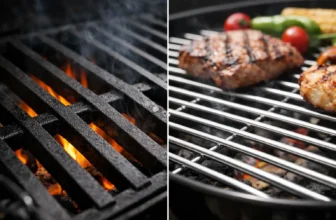
Ceramic and heavy steel cookers usually hold a steadier cooking environment than thin, lightweight grills. That matters because stable heat creates cleaner combustion. Cleaner combustion generally tastes better. A cheap grill can still make good food, but thin construction often means more vent chasing, more fuel swings, and more opportunities for dirty smoke.
Clean smoke versus dirty smoke
This is where a lot of flavor discussions fall apart. People say they want more smoke, but what they often taste is bad combustion.
Clean smoke is thin and controlled. It supports the food rather than covering it up. Dirty smoke is thick, bitter, and harsh. It can make chicken skin taste like an ashtray and leave ribs with a chalky aftertaste. If your charcoal is struggling to ignite, your vents are too restricted, or grease is burning uncontrollably, that is not premium charcoal flavor. That is poor fire management.
In practical terms, a grill with precise vent control has a flavor advantage because it lets you avoid that dirty zone. This is one reason better charcoal grills often taste better even before you account for materials or layout. They help average cooks run a cleaner fire.
Flavor by cooking style
The best charcoal flavor depends on what you’re cooking.
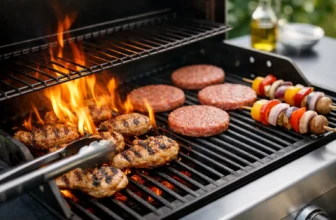
For steaks and burgers, direct heat over lump charcoal often delivers the strongest payoff. You get a hard sear, a distinct crust, and enough fire contact to create that classic backyard charcoal profile. A kettle or open grill usually shines here because it encourages stronger radiant heat and more interaction between drippings and coals.
For chicken, especially bone-in pieces, a slightly gentler charcoal setup often tastes better. Too much direct smoke or repeated flare-ups can make the skin bitter before the meat cooks through. This is where a two-zone fire on a kettle or a controlled kamado setup tends to produce better flavor than a chaotic open grate full of hot spots.
For ribs, pork shoulder, and brisket, charcoal acts more like a heat foundation than the main flavor source. The grill still matters, but wood choice and combustion quality matter more. A kamado or well-sealed barrel-style cooker can produce excellent results because it manages long burn times without constantly feeding fuel and disturbing the fire.
For vegetables, charcoal flavor can be a major plus or too much. Peppers, onions, corn, and mushrooms usually benefit from moderate charcoal flavor with some charring. Delicate vegetables can get overwhelmed if the fire is overly smoky or if ash is blowing around the cook chamber.
Kettle vs kamado in a charcoal grill flavor comparison
This is the comparison many buyers actually care about because both categories promise serious charcoal performance.
A kettle usually gives you a more classic backyard charcoal taste. It feels more open, more reactive, and a little less polished in a good way. High-heat cooks are especially satisfying because the grill allows stronger direct exposure to the fire. If you like burgers with a more obvious grilled edge and steaks with some fat-drip smoke, kettles are hard to beat for the money.
A kamado delivers a more controlled flavor profile. It excels when you want moisture retention, stable heat, and efficient fuel use. Food can taste cleaner and more even from edge to edge. That is a strength, not a weakness, but it does mean some cooks describe kamado grilling as less fiery unless they intentionally build in smoke wood or use a more aggressive direct setup.
So which one tastes better? It depends on what you mean by better. If you want bolder, more traditional charcoal notes at a lower price, the kettle usually wins. If you want precision, longer burns, and fewer flavor mistakes caused by temperature instability, the kamado has a real case.
What buyers get wrong when chasing charcoal flavor
A lot of people overspend on the grill and underspend on the fuel. That is backwards. Bad charcoal in an expensive cooker still produces mediocre results.
Another common mistake is assuming more smoke always means more flavor. Better flavor usually comes from controlled heat, decent charcoal, and enough airflow to keep the fire burning clean. Choking the vents to force smoke can make food worse, not better.
The third mistake is ignoring maintenance. Old ash restricts airflow. Grease buildup causes nasty smoke. Rusted grates and poor seals make temperature control harder. Flavor is not just about what a grill can do when new. It is also about whether it still runs predictably after a season of real use.
This is where Global Grill Guide’s general approach matters: long-term ownership affects cooking quality. A grill that is easy to clean and easy to manage will usually produce better food over time than one that looks impressive but fights you every weekend.
So what kind of charcoal flavor should you choose?
If you’re a first-time buyer and want a dependable charcoal taste without a steep learning curve, a well-built kettle is usually the safest answer. It gives you clear charcoal character, enough flexibility for most foods, and a lower cost of entry.
If you cook often, care about consistency, and want one cooker that can grill, roast, and smoke with fewer temperature swings, a kamado is easier to justify. Its flavor is still distinctly charcoal-based, just more controlled and a little less wild.
If your priority is live-fire intensity above all else, a more open charcoal setup may suit you better, but only if you’re willing to manage flare-ups and accept a narrower margin for error.
The best choice is not the grill that promises the most flavor. It is the one that gives you the flavor you actually like, with a level of control you’ll still appreciate six months from now.
Summary Table: Charcoal Grill Flavor Comparison That Helps
| Topic | Key Takeaway | Practical Recommendation |
|---|---|---|
| What Determines Charcoal Flavor | Charcoal flavor depends on much more than the grill itself. | Consider fuel type, airflow, grill design, cooking method, and fire management together. |
| Lump Charcoal | Burns hotter and produces a more natural wood-fire flavor but is less consistent. | Best for high-heat grilling, steaks, burgers, and cooks who don’t mind managing the fire. |
| Charcoal Briquettes | Burn longer and more evenly but create a milder charcoal flavor. | Ideal for beginners, long cooks, and consistent temperature control. |
| Adding Wood Chunks | Wood contributes a significant portion of smoky flavor. | Use hickory, oak, apple, or cherry to customize smoke flavor instead of relying on charcoal alone. |
| Kettle Grill Flavor | Produces the classic backyard charcoal taste with balanced smoke and searing. | Best all-around choice for most home grillers. |
| Kamado Grill Flavor | Creates a cleaner, more controlled charcoal profile with excellent heat retention. | Excellent for chicken, pork, roasting, and low-and-slow barbecue. |
| Open Charcoal Grills | Deliver the strongest live-fire flavor due to direct exposure to burning coals. | Great for steaks and burgers but require careful flare-up management. |
| Grill Construction | Heavy ceramic or steel cookers maintain cleaner combustion and steadier heat. | Choose solid construction for better flavor consistency and easier temperature control. |
| Clean Smoke vs Dirty Smoke | Thin blue smoke enhances flavor, while thick white smoke creates bitterness. | Maintain proper airflow and avoid smoldering charcoal or excessive grease fires. |
| Flavor for Steaks & Burgers | Strong radiant heat creates crust and classic charcoal flavor. | Lump charcoal on a kettle or open grill delivers the boldest results. |
| Flavor for Chicken | Gentle, controlled heat prevents bitter skin and flare-ups. | Use a two-zone fire or a kamado setup for more even cooking. |
| Flavor for Ribs & Brisket | Long cooks depend more on combustion quality and wood than charcoal alone. | Kamado and sealed barrel grills excel for smoking and slow cooking. |
| Flavor for Vegetables | Moderate charcoal flavor enhances many vegetables without overpowering them. | Use controlled heat and avoid excessive smoke or blowing ash. |
| Kettle vs Kamado | Kettle offers bolder traditional charcoal flavor; kamado offers cleaner, more controlled cooking. | Choose based on your cooking style rather than assuming one is objectively better. |
| Common Buying Mistakes | Buyers often overspend on grills while using low-quality charcoal. | Invest in quality fuel before upgrading to a premium grill. |
| Smoke Misconceptions | More smoke does not automatically mean better flavor. | Aim for clean-burning fires instead of intentionally creating heavy smoke. |
| Maintenance | Dirty grills produce poor combustion and unpleasant flavors. | Regularly remove ash, grease, and residue to maintain consistent flavor. |
| Best Choice for Beginners | Simplicity and versatility matter more than maximum flavor intensity. | A quality kettle grill provides the best balance of flavor, control, and value. |
FAQ: Charcoal Grill Flavor Comparison That Helps
Does lump charcoal taste better than briquettes?
Generally, lump charcoal produces a stronger and more natural wood-fired flavor because it burns hotter and is made from hardwood. Briquettes provide steadier heat and more consistent cooking, making them a better choice for beginners and long grilling sessions.
Which charcoal grill produces the best flavor?
There is no single winner. Kettle grills create the classic charcoal barbecue flavor with bold searing and smoky notes, while kamado grills produce a cleaner, more refined flavor thanks to excellent heat retention and precise airflow control. The best choice depends on your cooking style.
Why does my charcoal-grilled food taste bitter?
Bitter flavors usually come from dirty smoke, not charcoal itself. Poor airflow, damp charcoal, excessive grease flare-ups, or restricted vents create thick smoke that coats food with unpleasant flavors. A clean-burning fire produces much better results.
Does adding wood chunks improve charcoal flavor?
Yes. Hardwood chunks such as hickory, oak, apple, or cherry add distinctive smoke flavors that complement charcoal. In many cases, the wood contributes more to the final flavor than the grill itself, especially during longer cooks.
How can I get the best charcoal flavor when grilling?
Use quality charcoal, allow the fire to burn clean before cooking, maintain proper airflow, cook with two heat zones, and keep the grill clean. Consistent fire management has a greater impact on flavor than simply buying a more expensive charcoal grill.