
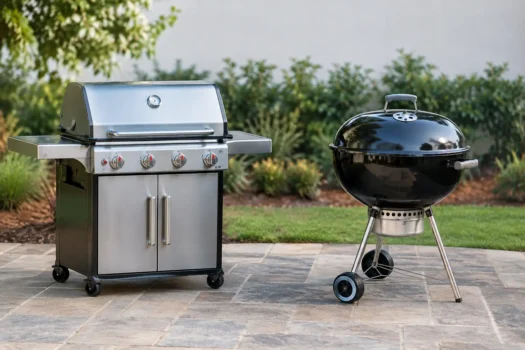
A weeknight burger cookout tells you more about propane versus charcoal than a showroom ever will. If dinner needs to be on the table in 30 minutes, a gas grill has a real advantage. If you are cooking ribs on a Saturday and care about building a fire, managing zones, and getting a deeper live-fire character, charcoal earns its extra work.
Neither fuel is automatically better. The right choice depends on how often you grill, what you cook, how much cleanup you will tolerate, and whether you want grilling to feel like a quick appliance or a hands-on cooking process. No hype. The better grill is the one you will use consistently.
Propane Versus Charcoal: The Real Differences
Propane grills use burners to heat grates quickly and predictably. Turn the knobs, light the grill, preheat, and start cooking. Most models are ready for direct grilling in roughly 10 to 15 minutes. Temperature changes are immediate enough for everyday cooking, and separate burner controls make it easy to create a hotter and cooler side.
Charcoal grills require more setup. You need to light the fuel, wait for the coals to ash over, arrange them for direct or indirect heat, and make adjustments with vents rather than knobs. A chimney starter makes this process cleaner and more reliable, but it still takes time. Expect 20 to 30 minutes before you are ready to cook, sometimes longer in cold or windy weather.
That difference shapes ownership more than most buyers expect. A propane grill tends to get used for chicken thighs on Tuesday. A charcoal grill often comes out when someone has time and a reason to cook. If convenience is the difference between grilling and ordering takeout, convenience is not a minor feature.
Flavor is real, but it is often overstated
Charcoal produces a distinct fire-cooked flavor, especially when fat drips onto hot coals and creates smoke that returns to the food. Hardwood lump charcoal can add a slightly cleaner, woodier profile, while briquettes offer steadier, longer-burning heat. Adding wood chunks can push the flavor further for ribs, pork shoulder, chicken, and larger cuts.
Propane does not create that same charcoal flavor on its own. Drippings hit heat diffusers or flavorizer bars, which produce some smoke and browning, but the effect is milder. For burgers, sausages, vegetables, fish, and properly seared steaks, the difference may not matter nearly as much as enthusiasts claim. Good seasoning, proper preheating, and avoiding overcooking matter more.
If live-fire flavor is one of the main reasons you grill, buy charcoal. If you mostly want reliably cooked food with grill marks and a good crust, propane is not a compromise in the way marketing arguments suggest.
Heat Control and Cooking Range
Propane is easier to control minute to minute. Burner knobs let you lower the heat before chicken skin scorches, shift one side to indirect cooking, or hold food warm while the rest finishes. This is especially helpful for beginners and for cooks who regularly grill mixed meals with proteins, vegetables, and buns all needing different treatment.
Charcoal gives you excellent heat, but not instant control. You manage temperature by changing airflow, moving food, adding or spreading coals, and waiting for the fire to respond. That learning curve is part of the appeal for some owners. It is also the reason many charcoal grills produce uneven results when a first-time buyer expects them to work like a gas grill.
A charcoal grill can reach exceptionally high temperatures, particularly with a compact charcoal bed and a grate close to the fuel. That makes it excellent for hard searing. It can also hold stable low-and-slow temperatures for smoking when the grill design, vent system, and charcoal arrangement are working together. Kettle grills are more versatile than many shoppers assume.
Propane grills can sear well, but their real-world performance depends heavily on burner output, grate material, firebox design, and how much heat the grill retains. A cheap gas grill with thin metal and weak burners may struggle to recover after the lid opens. A well-built propane grill offers fast, repeatable two-zone cooking, but it will not always match charcoal’s aggressive radiant heat.
Cleanup, Maintenance, and Long-Term Ownership
Propane is cleaner after the cook. Brush the grates, burn off residue, empty the grease tray when needed, cover the grill, and you are mostly done. The ongoing work is checking burners, clearing blocked ports, inspecting the ignition system, and replacing heat diffusers or grates as they corrode. Grease management matters. Neglect it long enough and flare-ups become a regular problem instead of an occasional nuisance.
Charcoal produces ash every time you cook. Some grills have effective ash catchers; others turn cleanup into a messy chore. You also need to dispose of ash only after it is fully cold, keep charcoal dry, and clean accumulated grease from the bowl and lid. It is not difficult maintenance, but it is more physical and less convenient.
Build quality matters more with propane because there are more parts to fail. Burners, valves, igniters, regulators, hoses, lid hardware, and grease systems all affect whether the grill still works well after several seasons. Stainless steel in a product listing does not automatically mean durability. Thin stainless can discolor and rust, while a heavier porcelain-coated steel grill may outlast it with basic care.
Charcoal grills are mechanically simpler. A solid kettle with a good vent system can serve for years because there is less to break. Watch for rust around the bottom vents, legs, ash system, and lid seams. A poor-fitting lid or seized vent can make temperature control frustrating even if the grill otherwise looks fine.
Cost: Look Beyond the Purchase Price
Entry-level charcoal grills are usually less expensive than comparable propane grills. Charcoal itself costs more per cook than propane in many areas, especially if you buy premium lump charcoal, but the grill can be a far cheaper way to get high-heat cooking and basic smoking capability.
Propane grills cost more upfront, particularly models with multiple burners, heavy grates, enclosed carts, and better construction. Fuel is typically economical for frequent short cooks, and a standard propane tank can last through many weeknight grilling sessions. The hidden costs come later: replacement burners, igniters, grates, regulator issues, and parts that may be hard to source on lower-tier models.
Do not buy a large propane grill just because it has six burners and a side shelf. More burners do not help if you normally cook for two to four people, and more components mean more maintenance. Likewise, do not buy a tiny charcoal grill if you expect to cook indirect chicken for a crowd. Capacity and usable cooking zones matter more than headline features.
Who Should Buy Propane?
Buy propane if speed and consistency are the main priorities. It suits busy households, first-time grill owners, apartment or patio cooks where permitted, and anyone who wants to grill several times a week without planning around lighting a fire. It is also the easier option for cooking delicate foods and managing a full meal with different heat requirements.
Propane is the practical choice when your best grilling habit is a frequent one. A grill that lights quickly and stays easy to manage has value long after the excitement of the purchase fades.
Who Should Buy Charcoal?
Buy charcoal if you enjoy the process as much as the meal. It fits cooks who want stronger live-fire flavor, high-heat searing, the option to smoke, and a simpler grill with fewer mechanical parts. It is also a smart value choice for buyers willing to trade convenience for cooking character and versatility.
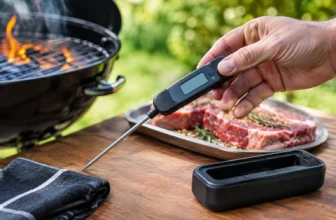
Charcoal makes the most sense when you have enough outdoor space, time for setup and cleanup, and patience to learn fire management. A chimney starter, quality instant-read thermometer, and dry fuel storage will do more for your results than a pile of trendy accessories.
A Few Safety and Space Realities
Never use either grill indoors, in a garage, or under a low enclosed roof. Charcoal produces carbon monoxide, and propane leaks can create a serious fire hazard. Keep both grills clear of siding, railings, dry brush, and foot traffic. Check local rules before buying, especially if you live in a condo, townhome, or rental property. Many communities restrict charcoal grills on balconies, and some have specific requirements for propane tank storage.
For propane, inspect the hose and connections regularly and test for leaks with soapy water before the season starts. For charcoal, keep a metal ash container with a lid and treat ashes as hot longer than you think they are.
The useful decision is not about which fuel wins an argument. Choose propane if you want dinner with less friction. Choose charcoal if tending the fire is part of why you wanted a grill in the first place. Then buy the best-built version that fits your space, cooking volume, and willingness to maintain it. That is the decision you will still appreciate after the first summer is over.