 globalgrillguidecom

Introduction
Why This Debate Never Really Ends
The debate around gas vs charcoal grills refuses to die. It has survived decades, countless backyard arguments, and more than a few beers spilled over hot grates. Somewhere along the way, choosing a grill stopped being a practical decision and turned into a personality statement.
Most comparisons focus on flavor, tradition, or some vague idea of “real grilling.” That’s exactly where they go wrong. The real question is not which grill tastes better on a perfect Saturday afternoon. The real question is which grill fits your actual life – your space, your schedule, your habits, and your patience.
This article will not fuel the usual tribal war. There will be no taste mythology, no chest-beating, and no claims that one grill makes you more authentic than another. What it will do is help you choose a grill you will actually use, not admire from a distance while it slowly collects dust.
The best grill is the one that fits your life, not your ego. Everything else is noise.
Before We Compare – How to Think About Grills the Right Way
“Better” Is the Wrong Question
There is no universally better grill. Anyone who tells you otherwise is selling something – sometimes a grill, sometimes an identity. The difference between gas and charcoal grills matters far less than how and where you plan to cook.
Lifestyle beats fuel type every time. A grill used twice a week beats a “better” grill used twice a year. Space, time, and habits matter more than smoke flavor or tradition. That’s the uncomfortable truth most reviews avoid.
Choosing the best grill for home use starts with honesty, not aspiration.
Grilling Reality vs Grilling Fantasy
Most people imagine themselves grilling far more often than they actually do. In theory, it’s a weekly ritual. In practice, life happens. Work runs late, weather turns ugly, and suddenly that dream grill sits unused.
Unused grills are the most expensive ones. They don’t just cost money – they take up space, create guilt, and quietly remind you of intentions you didn’t follow through on. A realistic choice is always cheaper than a romantic one.
Add Your Heading Text Here
Space, Regulations, and Where You Actually Live
This is where many gas vs charcoal grill comparison articles should start, but rarely do.
Apartment Balconies and Urban Living
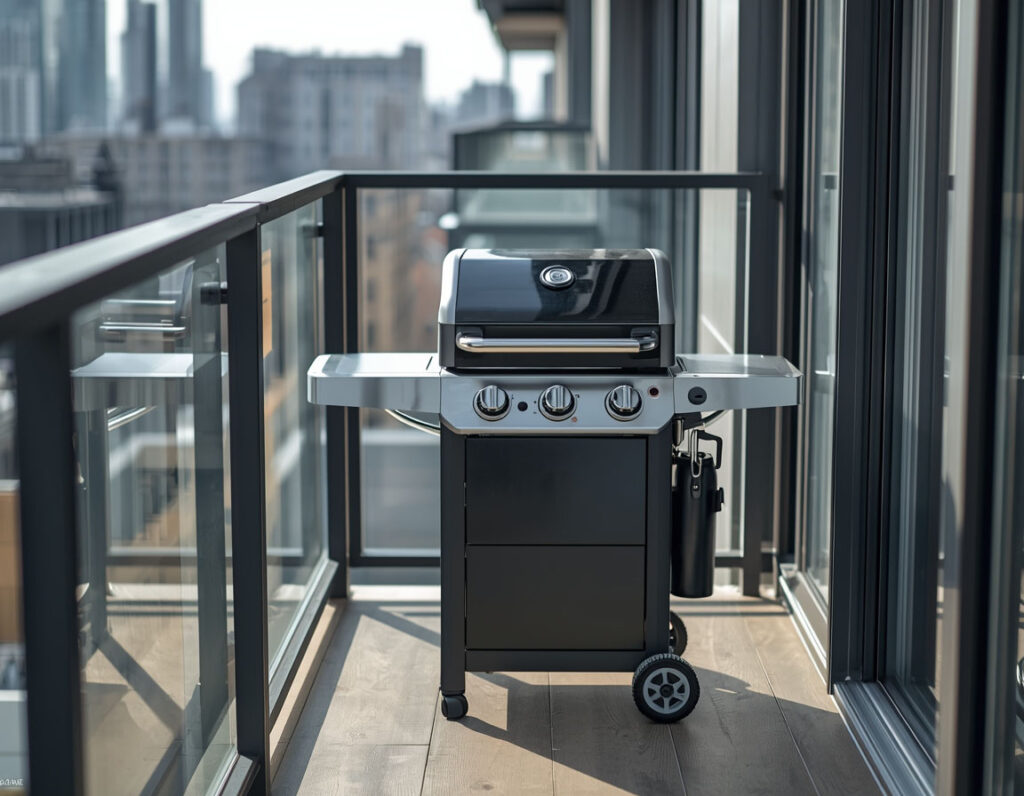
If you live in an apartment, space and rules matter more than flavor. Many buildings restrict or outright ban charcoal grills due to smoke and fire risk. Grilling regulations apartment dwellers face are often non-negotiable.
Gas grills often win here not because they are superior, but because they are allowed. Less smoke means fewer neighbor complaints and fewer awkward conversations with building management. In urban settings, permission is power.
For many people, gas grills for small patios or balconies are the only realistic option.
Townhouses, Patios, and Shared Outdoor Areas
Townhouses offer a bit more freedom, but space is still limited. Storage becomes a real issue. Bags of charcoal, ash disposal, and extra accessories take up room quickly.
Charcoal grilling can feel inconvenient here, especially if storage space is tight. Gas grills tend to integrate better into compact home grilling setups where everything needs to be neat and contained.
Backyard and Dedicated Outdoor Cooking Areas
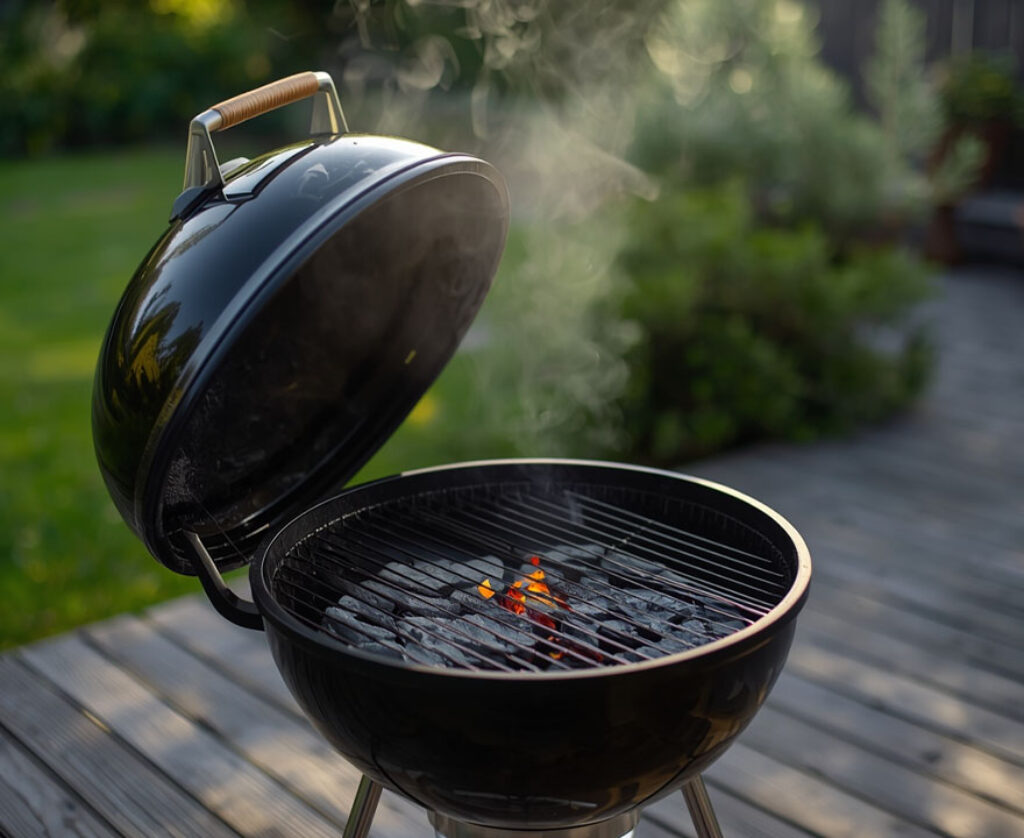
Once you have a proper backyard, space stops being the limiting factor. This is where charcoal grills become more realistic. Smoke disperses better, storage is easier, and longer cooking sessions feel natural.
Backyard setups open the door to charcoal grills for backyard cooking, where the process itself becomes part of the enjoyment.
Time, Convenience, and How You Actually Cook
Weeknight Grilling vs Weekend Rituals
Weeknight grilling is about speed. You want food on the table in 30 minutes, not a lesson in fire management. Gas grills excel here. Turn a knob, preheat, cook, eat.
Charcoal grilling shines on weekends when time is not the enemy. If grilling is part of the plan rather than a spontaneous decision, the slower setup feels justified.
Spontaneity vs Commitment
“Let’s grill tonight” is very different from “let’s plan grilling.” Gas supports spontaneity. Charcoal demands commitment. This difference directly affects how often you grill.
Convenience increases frequency. Frequency improves skill. Skill improves results. This loop matters more than fuel debates.
The Hidden Cost of Waiting
Waiting isn’t just about heat-up time. It includes cool-down time and cleanup time. Grill cooking time extends beyond the food itself.
Gas grills cool faster and clean easier. Charcoal grills ask for patience before you can safely dispose of ash and close the lid for the night.
Gas Grills – Fast and Convenient
- Preheat in 10–15 minutes
- Turn a knob and cook
- Perfect for weeknight meals
Charcoal Grills – The Weekend Ritual
- Longer setup, more control
- Enjoy the process, not just the food
- Best for leisurely cooking sessions
Control, Learning Curve, and Mental Load
Gas Grills – Predictability and Ease
Gas grills offer straightforward grill temperature control. Knobs correspond to heat levels, and results are repeatable. This predictability reduces mental load, which matters more as life gets busier.
Consistency is underrated. For many cooks, especially those grilling often, it’s the difference between relaxation and frustration.
Charcoal Grills – Skill, Feel, and Experience
Charcoal grills reward attention. Fire management, airflow, and fuel placement all affect the outcome. Some people love this hands-on control. Others find it exhausting.
There’s satisfaction in mastering charcoal, but mastery takes time and interest. Not everyone wants grilling to be a technical hobby.
How Much Do You Actually Want to “Learn”
Ask yourself honestly: do you want a hobby or a tool? When grilling starts to feel like work, it stops being fun.
For many, grilling should be relaxing, not educational.
Maintenance, Cleaning, and Daily Reality
This section quietly changes minds.
Cleaning Gas Grills
Gas grills deal mostly with grease. Burners and heat plates wear over time, but maintenance is predictable. Grill maintenance is regular but manageable.
Cleaning Charcoal Grills
Charcoal grills add ash, dust, and disposal to the mix. Grill cleaning becomes a more physical task, especially if you grill often.
Storage challenges grow with frequency. Ash needs somewhere to go, and that somewhere is rarely glamorous.
Long-Term Wear and Tear
Gas grills suffer when neglected but are forgiving if maintained. Charcoal grills tolerate neglect better mechanically, but demand more cleanup effort.
Neglect favors charcoal. Convenience favors gas.
Cost of Ownership – Not Just the Price Tag
Upfront Cost Differences
Charcoal grills usually win on initial price. Entry-level models are affordable and widely available. Gas grills cost more upfront, which can scare off first-time buyers.
But price alone lies.
Fuel Costs Over Time
Charcoal purchases add up. Propane or natural gas offers predictable grill fuel cost over time. Frequency matters more than price per bag or tank.
Accessories You’ll End Up Buying Anyway
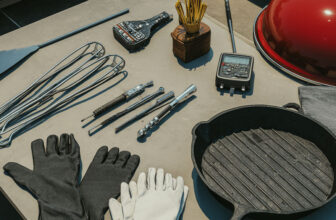
No matter the grill, you will buy accessories. Thermometers, covers, and cleaning tools are unavoidable.
Essential Grill Accessories Worth Buying
Recommended gas grill accessories here
Recommended charcoal grill accessories here
Health, Smoke, and Safety Considerations
Smoke, Flames, and Exposure
Smoke differs, but technique matters more than fuel. Flare-ups, not charcoal, cause most problems.
Charcoal, Gas, and Real Health Risks
Studies show no clear villain. Proper ventilation, temperature control, and avoiding charring matter more than grill type.
Safe Grilling Practices That Matter More Than Grill Type
Clean grates, controlled heat, and attention beat any fuel debate.
Flavor – The Short, Honest Section
Why Flavor Is Often Overstated
Technique dominates flavor. Marinades, zones, and timing matter more than fuel.
When Charcoal Flavor Actually Matters
Certain foods benefit. Most weeknight meals don’t.
Why Most People Won’t Notice Day-to-Day
Consistency beats romance when you’re hungry.
Who Gas Grills Are Usually Best For
Gas grills fit busy households, weeknight cooks, and people with limited space. They suit anyone who values ease and predictability.
Explore gas grills for patios and everyday cooking
Who Charcoal Grills Are Usually Best For
Charcoal grills suit weekend grillers, backyard setups, and those who enjoy the process as much as the food.
Explore charcoal grills for backyard cooking
Common Mistakes When Choosing Between Gas and Charcoal
Buying based on identity instead of reality is the biggest mistake. Copying someone else’s setup without matching their lifestyle comes close second.
Ignoring grill storage space and overestimating motivation finishes the trifecta.
Can You Own Both? (And Should You?)
Dual ownership makes sense for a small minority. For most, it adds clutter without adding value. A better primary choice usually solves the problem more cleanly.
Gas vs Charcoal Grills Comparison Table
| Factor | Gas Grills | Charcoal Grills |
|---|---|---|
| Setup Time | Fast – typically 10–15 minutes | Slower – 30 minutes or more |
| Ease of Use | Very easy, minimal learning curve | Requires practice and fire management |
| Temperature Control | Precise and adjustable with knobs | Manual control via airflow and fuel |
| Cleaning & Maintenance | Grease management, occasional part replacement | Ash removal, more frequent cleaning |
| Space & Regulations | Often allowed on patios and balconies | More restrictions due to smoke |
| Fuel & Storage | Propane or natural gas, easy storage | Charcoal storage required, messy dust |
| Cost Over Time | Higher upfront, predictable ongoing costs | Lower upfront, ongoing charcoal purchases |
| Cooking Frequency | Ideal for frequent, weekday grilling | Better suited for occasional, longer sessions |
| Learning Curve | Low – great for beginners | Moderate to high – more hands-on |
| Who It Fits Best | Busy households, convenience-focused users | Enthusiasts who enjoy the grilling process |
Pick Your Gas Grill
Quick, predictable, and ready whenever you are. Perfect for frequent grilling.
Pick Your Charcoal Grill
Slow, hands-on, and perfect for backyard weekend rituals. Flavor and process combined.
FAQ – Gas vs Charcoal Grills
Is a gas grill better than a charcoal grill?
A gas grill is better for people who value speed, convenience, and frequent grilling. A charcoal grill is better for those who enjoy the cooking process and longer sessions. The best grill is the one you will actually use regularly.
Do charcoal grills taste better than gas grills?
Charcoal grills can add a smoky flavor, but for most home grilling the taste difference is small. Cooking technique and temperature control have a bigger impact on flavor than the fuel type itself.
Which grill is better for beginners?
Gas grills are better for beginners because they are easier to start, faster to heat up, and simpler to control. Charcoal grills require learning fire and airflow management.
Are gas grills allowed on balconies?
Gas grills are allowed on many balconies and patios, while charcoal grills are often restricted due to smoke and fire risk. Always check local regulations and building rules.
Which grill is cheaper – gas or charcoal?
Charcoal grills are cheaper upfront, but charcoal creates ongoing fuel costs. Gas grills cost more initially but offer more predictable long-term expenses.
Is a charcoal grill harder to clean?
Yes. Charcoal grills require ash removal and produce more residue. Gas grills mainly require grease cleanup and occasional maintenance.
Which grill heats up faster?
Gas grills heat up faster, usually in 10–15 minutes. Charcoal grills often take 30 minutes or more to reach cooking temperature.
Are charcoal grills more dangerous than gas grills?
Neither grill is inherently more dangerous. Charcoal requires managing open embers, while gas requires proper fuel connection maintenance. Safety depends on correct use.
Can you control temperature on a charcoal grill?
Yes, but it takes experience. Temperature control depends on airflow, fuel amount, and grill setup. Gas grills offer easier and more precise control.
Which grill is better for occasional grilling?
For occasional grilling with minimal effort, gas grills are usually better. For occasional grilling as a ritual or hobby, charcoal grills can be more satisfying.