 globalgrillguidecom
How Weather Actually Affects Grilling Performance
Temperature, Wind, and Moisture – The Three Enemies
Weather doesn’t ruin grilling. It changes the physics.
Cold causes heat loss.
Wind disrupts flame and airflow.
Moisture attacks metal, electronics, and fuel.
In cold weather, grills take longer to preheat and struggle to maintain stable temperatures. Fuel consumption increases. That’s why people ask does cold weather affect grilling? Yes – directly.
Wind pulls heat away from burners and charcoal beds, forcing your grill to work harder. Rain adds moisture where it doesn’t belong.
Your grill isn’t broken. It’s reacting.
Different Grills, Different Reactions to Weather
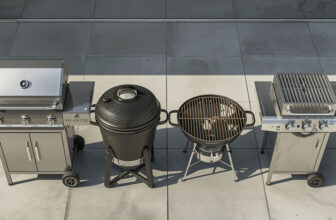
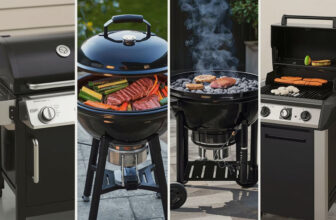
Gas grills feel weather-sensitive because wind interferes with burners and cold affects regulators.
Charcoal grills react to airflow chaos.
Pellet grills depend on electronics and consistent heat, making them sensitive to moisture and wind.
Electric grills care most about moisture and power stability.
What never changes?
Lids matter. Airflow matters. Protection matters – regardless of grill type.
Cold Weather Grilling – How to Stay Consistent When Temperatures Drop
What Cold Does to Your Grill
Cold metal contracts. Heat escapes faster.
Grills warm up slower and develop uneven zones.
That’s why grill temperature control in cold weather requires patience, not panic.
Lids become critical in winter. An open lid bleeds heat instantly. In cold conditions, the lid isn’t optional – it’s structural.
Adjusting Your Technique for Cold Conditions
Preheat longer. Always.
Use steady fuel loads instead of overfeeding.
Avoid cranking burners to compensate – that leads to flare-ups and wasted fuel.
Most winter grilling tips boil down to this: slow down.
Cold weather rewards calm control, not aggression.
Safety in Cold Weather
Frozen regulators crack. Brittle hoses fail.
Never grill in enclosed spaces. Ever.
Cold weather grilling safety means understanding that carbon monoxide doesn’t care how cold it is.
Garages and grills never mix.
If you’re asking can you grill in winter – yes.
If you’re asking “can I grill inside” – absolutely not.
Wind – The Most Underrated Grilling Problem
How Wind Disrupts Heat and Flame
Wind causes burner blowouts, uneven charcoal burn, and pellet temperature swings.
Grilling in windy conditions burns more fuel and delivers less consistency.
Pellet grills suffer the most because wind disrupts both heat and airflow sensors.
Smart Wind Management Without Dangerous Hacks
Move the grill, not the flame.
Position it near natural wind breaks.
Use purpose-built accessories, like a wind shield for grill setups.
DIY plywood walls and cardboard barriers are accidents waiting to happen. Wind protection should manage airflow – not trap heat dangerously.
Wind and Fuel Efficiency
Wind increases consumption. Period.
Compensate with positioning, not fuel overload.
Overfeeding charcoal or gas creates instability, not heat.
Rain and Moisture – Grilling Without Rust or Regret
Can You Grill in the Rain?
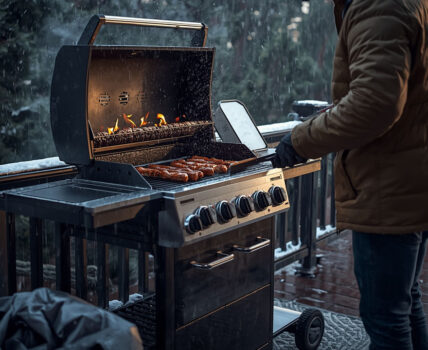
Light rain? Yes, with discipline.
Heavy rain? Stop.
People constantly ask is it safe to grill in the rain. The answer depends on intensity and grill type.
Electric and pellet grills face electrical risks. Gas and charcoal handle moisture better – but only with closed lids and control.
Moisture Damage: What Happens Over Time
Rain causes rust, corrosion, and internal damage.
Igniters fail. Burners clog. Electronics die.
“Stainless steel” slows corrosion – it does not eliminate it.
That’s why how to protect grill from rain is not cosmetic. It’s structural.
Safe Rain-Season Grilling Practices
Keep lids closed.
Stop if water enters the firebox.
Cover immediately after cooling.
And no – umbrellas and grills don’t mix. Ever.
Add Your Heading Text Here
Grill Covers – When They Matter and When They Don’t
5.1 Why a Grill Cover Is Not Optional in Bad Weather
A cover protects from rain, snow, UV, and debris.
It extends lifespan – not just appearance.
The best grill cover for winter prevents moisture buildup and resists wind.
5.2 Choosing the Right Grill Cover
Fit matters. Universal covers flap and trap moisture.
Breathable fabrics beat cheap plastic.
Vents, seams, and straps matter more than logos.
Look for a weather resistant grill cover, not a decorative one.
5.3 Common Grill Cover Mistakes
Covering a hot grill traps condensation.
Cheap covers crack and scratch finishes.
No vents = internal rust.
Grill maintenance in winter starts with smart covering.
Seasonal Storage – Fall and Winter Grill Planning
Outdoor Storage Best Practices
Elevation prevents water pooling.
Drainage matters more than shelter.
Indoor and Semi-Indoor Storage Options
Sheds work. Garages work – only for storage.
Pellet grills need fuel removal and electronics protection.
If you’re researching how to store grill in winter, start with cleaning. Always.
Long-Term Storage Checklist
Remove fuel.
Protect electronics.
Block pests.
This is how to winterize a grill properly – not just covering it and hoping.
Weather-Proofing Your Grill Setup
Small Accessories That Make a Big Difference
Thermal blankets.
Wind guards.
Grill mats.
These are the best grill accessories for winter grilling because they solve real problems.
Outdoor Kitchen and Grill Station Protection
Built-in grills need built-in protection.
Covers, drainage, airflow.
Smart setups reduce weather stress.
Safety Considerations in Bad Weather
Fire and Gas Safety in Wind and Cold
Check regulators.
Watch flame stability.
Inspect hoses regularly.
Electrical Safety for Pellet and Electric Grills
Moisture kills electronics.
Use weather-rated outlets and GFCI protection.
Personal Safety While Grilling
Wet surfaces slip.
Cold reduces reaction time.
Bad weather increases accidents – stay deliberate.
Common Weather-Related Grilling Mistakes
- Leaving grills uncovered overnight
- Blocking airflow to fight wind
- Skipping seasonal maintenance
- Quitting instead of adapting
Practical Weather-Based Recommendations
Best Practices for Fall and Mild Winter Grilling
Grill often. Adjust gradually.
When to Grill Through the Winter – and When Not To
Extreme storms aren’t heroic. They’re stupid.
Creating a Year-Round Grilling Mindset
Consistency beats perfection.
Grilling year round tips aren’t about toughness – they’re about preparation.
Optional Add-On – Quick Weather Grilling Checklist
Before grilling in cold, wind, or rain:
- Lid closes properly
- Fuel is dry and sufficient
- Wind exposure assessed
- Electronics protected
- Surface is stable
- Cover ready post-cook
Save it. Use it. Come back to it.
Conclusion – Weather Should Change Your Approach, Not Stop Your Grilling
Great grillers adapt.
They don’t wait.
Smart protection beats replacing a grill.
Seasonal habits extend both enjoyment and equipment life.
Weather isn’t the enemy. Neglect is.
Weather & Grilling FAQ
Can you grill in winter?
Yes, you absolutely can grill in winter. Cold weather affects preheating time and fuel consumption, but it does not prevent grilling. With proper technique, longer preheating, and a closed lid, winter grilling is safe and effective.
Does cold weather affect grilling performance?
Yes. Cold weather causes heat loss, slower warm-up times, and higher fuel usage. That’s why grill temperature control in cold weather requires patience rather than higher flame settings.
Is it safe to grill in the rain?
Light rain is generally safe if the grill lid stays closed and water does not reach burners or electrical components. Heavy rain increases safety risks, especially for pellet and electric grills, and grilling should be postponed.
How do you grill in cold weather without losing heat?
Preheat longer, keep the lid closed as much as possible, and avoid frequent temperature adjustments. Wind protection and thermal accessories help stabilize internal heat during cold weather grilling.
How do you grill in windy conditions?
Position the grill near a natural wind barrier and use a proper wind shield for grill setups if needed. Never block airflow completely, as that can cause flare-ups or gas buildup.
What is the best grill cover for winter?
The best grill cover for winter is one that fits tightly, allows ventilation, and is made from weather-resistant materials. Breathable covers prevent moisture buildup while protecting from snow, rain, and UV exposure.
How do you protect a grill from rain?
Use a weather resistant grill cover after the grill cools completely. During cooking, keep the lid closed and avoid exposing burners, igniters, or electronics to direct moisture.
How do you winterize a grill?
To winterize a grill, clean it thoroughly, remove fuel where applicable, protect electronic components, and store it in a covered, well-drained area. Proper winterizing prevents rust and mechanical failure.
How should you store a grill in winter?
Outdoor storage is fine if the grill is elevated, covered, and protected from standing water. Indoor storage in sheds or garages is ideal for pellet and electric grills after proper cleaning and fuel removal.
What are the best grill accessories for winter grilling?
The best grill accessories for winter grilling include thermal blankets for pellet grills, wind guards, weather-resistant grill covers, and grill mats that protect the base from moisture and ice.