 globalgrillguidecom
Why Fuel Type Matters More Than Grill Size
Most people start their grill search by asking the wrong question. They ask, “What’s the best grill?” or “Which grill should I buy?” That’s like asking what the best car is without mentioning whether you commute daily, race on weekends, or just want something that starts every morning.
In reality, grill shopping should begin with a grill fuel types comparison, not brand names or shiny features. Fuel determines how heat is produced, how it’s controlled, how food tastes, and how much effort you’ll invest every time you cook.
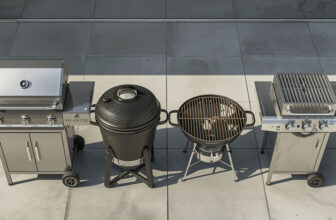
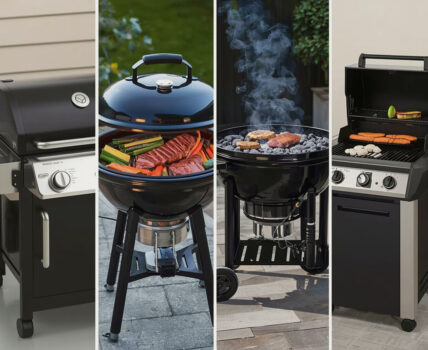
Gas, charcoal, pellet, and electric grills aren’t just variations of the same tool. They represent four fundamentally different cooking philosophies. Understanding how different grills work is the difference between loving your grill for ten years – or resenting it every Saturday.
This grill comparison guide will help you decide which grill aligns with your cooking style, flavor expectations, patience level, and appetite for hands-on involvement. It won’t crown a universal winner, because there isn’t one. Instead, it explains the real-world trade-offs so you can choose without buyer’s remorse.
How Grills Actually Work: Fire, Heat, and Control
Before we argue about gas vs charcoal grill taste or debate tech-heavy pellets, we need a shared baseline. Every grill is just a heat management system. The differences lie in how that heat is created and how much control you have over it.
Direct vs Indirect Heat
Direct heat places food directly over the heat source – great for burgers and steaks. Indirect heat moves food away from the heat, turning the grill into a convection oven for roasts, ribs, and whole chickens. Mastering indirect heat grilling is where most grills separate beginners from experienced cooks.
The Three Types of Heat
Radiant heat – infrared energy from flames or heating elements
Conduction – heat transferred through grates into food
Convection – hot air circulating around food
Different fuels emphasize different combinations. This is why grill heat control comparison matters more than raw temperature numbers.
Fuel choice dictates startup time, responsiveness, grill temperature consistency, and whether cooking feels like operating a tool – or tending a fire.
Part I. Gas Grills: Precision and Speed
How Gas Grills Work
Understanding how gas grills work explains why they dominate suburban patios. Gas grills burn propane or natural gas through burners positioned beneath the cooking surface. A propane vs natural gas grill mainly affects fuel logistics, not cooking results.
Burners create distinct gas grill heat zones, allowing simultaneous high-heat searing and lower-temperature cooking. Modern gas grill ignition systems use electronic spark igniters, eliminating matches and guesswork.
Airflow, regulators, and valves manage combustion. When everything’s dialed in, gas grilling becomes remarkably predictable.
Gas Grilling Performance
Gas grills excel at responsiveness. Turn a knob and heat adjusts almost instantly. This makes gas grill temperature control one of the most forgiving systems available.
High heat for searing is easy. Low-and-slow is possible, but requires attention to burner configuration and wind conditions. In a high heat searing comparison, gas wins on speed, not intensity.
Flavor Profile: What You Gain and What You Don’t
Gas doesn’t naturally produce smoke. This fuels endless gas grill flavor myths. Flavor bars, wood chips, and smoker boxes help – but they simulate smoke rather than generate it.
Compared to charcoal, gas grill flavor vs charcoal is cleaner and lighter. That’s not bad – it just sets expectations.
Pros and Cons of Gas Grills
Advantages:
Speed and convenience
Reliable grill thermostat accuracy
Excellent gas grill for everyday cooking
Limitations:
Flavor ceiling
Dependence on fuel supply
Less romance, more control
Best Use Cases for Gas Grills
Gas grills shine for weeknight meals, entertaining crowds, and cooks who value precision over ritual. Their gas grill convenience makes them ideal for busy households.

Part II. Charcoal Grills: Fire, Skill, and Flavor
How Charcoal Grills Work
To understand how charcoal grills work, forget knobs and buttons. Charcoal grilling is about airflow. Oxygen feeds combustion; vents regulate temperature.
Choosing lump charcoal vs briquettes affects burn rate, heat intensity, and flavor. Two-zone setups enable both direct vs indirect charcoal grilling in the same cook.
Charcoal Heat Behavior
Charcoal delivers intense radiant heat but struggles with stability. Charcoal grill temperature management requires practice. Weather impacts airflow, which impacts combustion, which impacts dinner.
This volatility explains the charcoal grill learning curve – and why many cooks love it.
Flavor and Smoke: The Benchmark Standard
Charcoal remains the benchmark for charcoal grill smoke flavor. Dripping fat, open flame, and natural combustion create complex aromatics unmatched elsewhere.
In any smoke flavor comparison, charcoal defines the reference point.
Pros and Cons of Charcoal Grills
Advantages:
Maximum flavor potential
High charcoal grill heat intensity
Versatility for grilling and smoking
Limitations:
Time investment
Cleanup
Hands-on management
Who Charcoal Is Really For
Charcoal suits flavor-first cooks who enjoy process as much as results. If you like mastering variables, charcoal rewards effort.
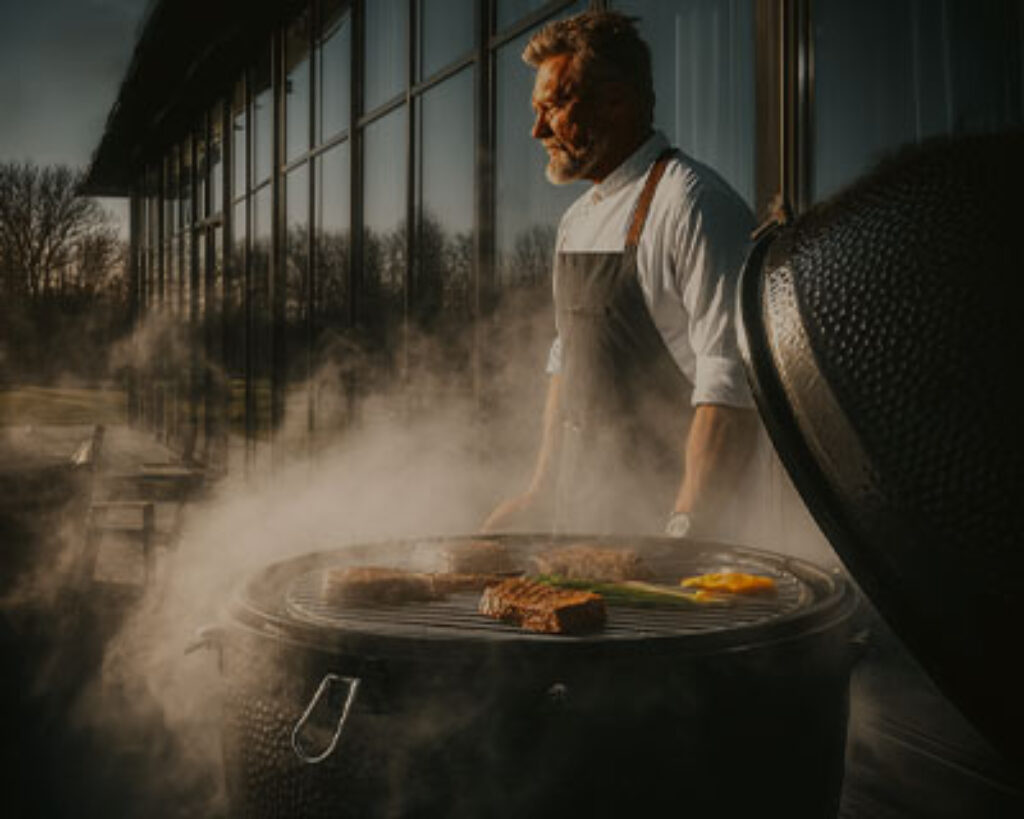
Part III. Pellet Grills: Automation Meets Wood Fire
How Pellet Grills Work
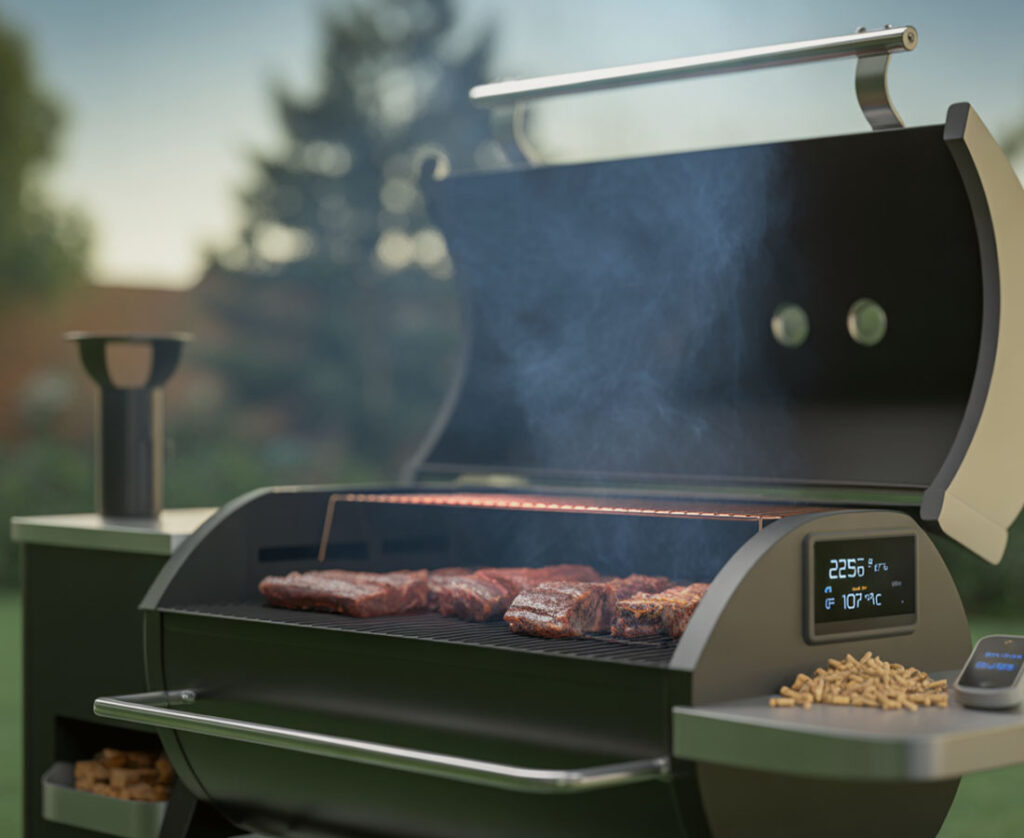
Pellet grills answer the question of how pellet grills work by combining electricity and wood combustion. Pellets feed into a fire pot via an auger, controlled by a pellet grill digital controller.
Temperature Control and Consistency
PID systems enable remarkable pellet grill temperature control. This creates unmatched pellet grill consistency, especially for pellet grill low and slow cooking.
High-heat searing remains a weakness, even with accessories like a pellet grill sear box.
Flavor Reality Check
Pellet grills produce cleaner, lighter smoke. Pellet grill smoke intensity depends heavily on pellet quality. Wood pellets for grilling matter more than brand hype.
Pros and Cons of Pellet Grills
Advantages:
Set-it-and-forget-it cooking
Smoking without babysitting
Limitations:
Power dependency
Less live-fire interaction
When Pellet Grills Make the Most Sense
Pellets are ideal for long cooks and tech-friendly users who prefer results over ritual.
Electric Grills: Control Without Fire
How Electric Grills Work
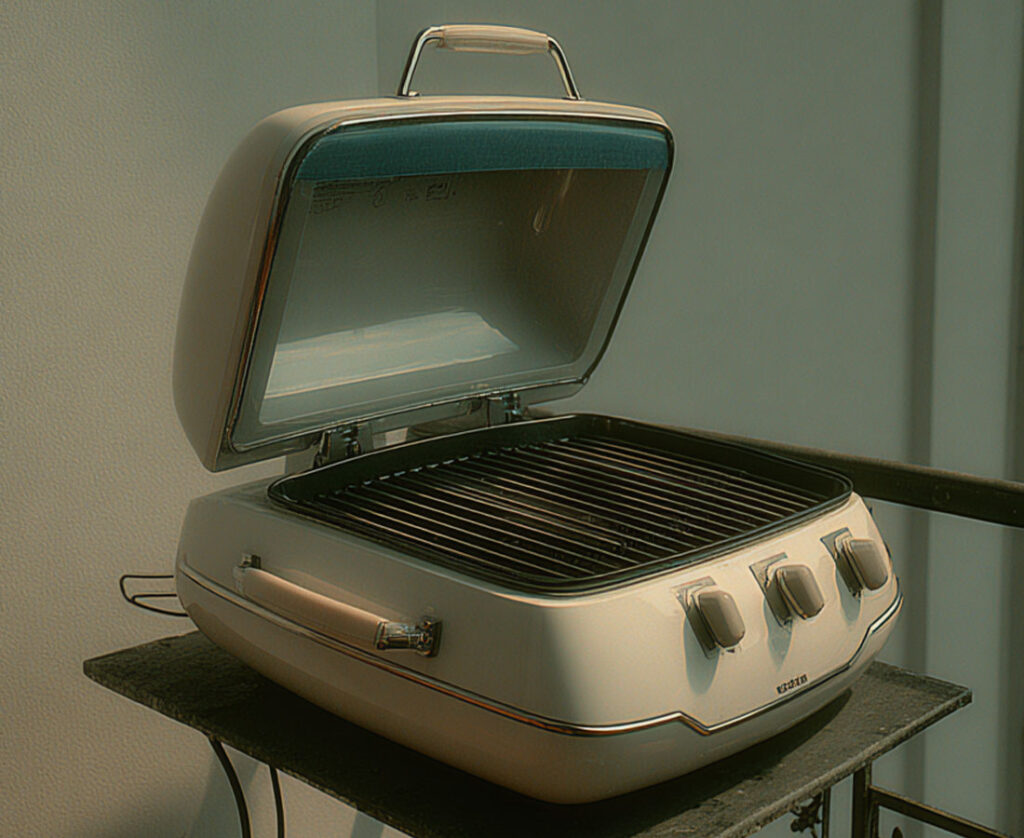
How electric grills work is simple: heating elements replace combustion. Thermostats regulate output within a limited electric grill temperature range.
Indoor and outdoor models differ mainly in ventilation and power limits.
Heat Output and Limitations
Electric grills struggle with recovery time and searing. In any electric grill vs gas grill debate, heat output is the dividing line.
Flavor Expectations: Managing Reality
Without flame, electric grill flavor limitations are unavoidable. Hacks exist, but electric grill taste comparison always favors live fire.
Pros and Cons of Electric Grills
Advantages:
Safety and simplicity
Predictable electric grill consistency
Limitations:
Minimal grill flavor
Power constraints
Who Electric Grills Are Best For
Electric grills fit convenience-first users who prioritize ease over tradition.
Part V. Hybrid and Combo Grills: Do They Really Do It All?
What Counts as a Hybrid Grill
A hybrid grill gas charcoal or multi-fuel system promises flexibility. Pellet grills with sear boxes and gas grills with smokers fall into this category.
When Hybrid Models Are Worth It
Hybrid grills work when one unit truly replaces two. When hybrid grills make sense depends on how often each mode is used.
Common Pitfalls of Hybrid Grills
Complexity, cost, and underused features are common. Combo grill pros and cons should be weighed honestly.
Part VI. Choosing Based on How You Cook (Not Where)
Match the Grill to Your Cooking Style
Weeknight speed favors gas. Weekend ritual favors charcoal. Long cooks favor pellets. Simplicity favors electric.
Flavor vs Control vs Convenience: The Real Trade-Off Triangle
No grill wins all three. This is the heart of flavor vs convenience grilling. Decide what matters most.
Final Verdict: There Is No Best Grill – Only the Right One for You
There’s no universal answer to which grill is best for beginners or experts. There’s only alignment between expectations and reality.
Recommended Accessories by Fuel Type
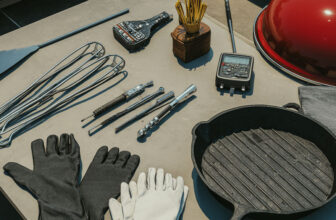
Small upgrades – thermometers, probes, covers – dramatically improve results. The right grill accessories by fuel type often matter more than the grill itself.
Choosing a grill isn’t about trends. It’s about how you cook, how you eat, and how much effort you enjoy investing. Pick the fuel that matches your mindset – and the rest gets a lot easier.
FAQ – Gas vs Charcoal vs Pellet vs Electric Grills
Which grill is best for beginners?
For beginners, gas grills and electric grills are easiest to use due to precise grill temperature control and simple startup. Charcoal and pellet grills require more skill and attention to heat management.
How does the flavor differ between gas, charcoal, pellet, and electric grills?
Charcoal grills offer a smoky, traditional taste. Pellet grills provide mild wood smoke. Gas grills give clean, consistent heat but limited smoke flavor. Electric grills have minimal grill flavor but excel in convenience.
Can I achieve high-heat searing on a pellet or electric grill?
Pellet grills struggle with intense searing; they excel at low and slow cooking. Electric grills typically have limited maximum temperature, making high-heat searing less effective.
Are electric grills suitable for indoor cooking?
Yes, electric grills are safe for indoor use because they have no open flame. Ensure proper ventilation and use indoor-safe grill plates for the best results.
Do hybrid grills really do it all?
Hybrid grills combine features like gas + charcoal or pellet + sear box, but they come with trade-offs: complexity, higher cost, and often less specialization than a dedicated grill.
Which grill type requires the least maintenance?
Electric grills and gas grills are easiest to clean and maintain. Charcoal requires ash disposal and more cleanup, while pellet grills need occasional auger and firepot checks.
How do I choose the right grill for my cooking style?
Consider your priorities: flavor vs control vs convenience. Weeknight cooks often prefer gas or electric. Flavor-first, hands-on cooks may choose charcoal or pellet grills. Use our grill fuel types comparison to match the grill to your lifestyle.