 globalgrillguidecom
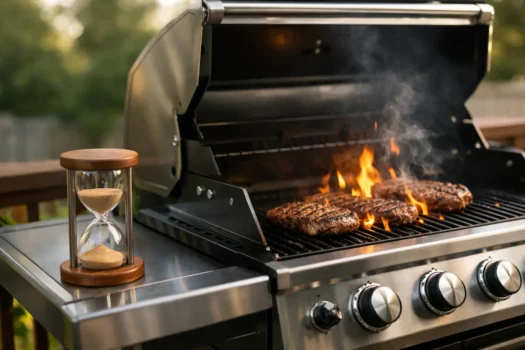
You can usually tell how a gas grill is going to age before it’s even fully assembled. Thin fireboxes warp. Cheap burners rust out early. Loose knobs, flimsy lids, and bargain-cart construction rarely turn into long-term success stories. If you’re asking how long do gas grills last, the honest answer is that most fall somewhere between 5 and 15 years, with a big gap between a low-end grill that sits uncovered in the rain and a well-built model that gets basic care.
That range sounds wide because gas grill lifespan has less to do with the logo on the lid and more to do with materials, weather exposure, how often you cook, and whether key parts can be replaced. Plenty of people assume a grill is either “good” or “bad,” but real ownership is messier than that. Some grills look rough after three years and still cook fine. Others still look shiny while burners and ignition systems are already failing.
How long do gas grills last in real use?
For most homeowners, a budget gas grill lasts around 5 to 7 years. A mid-range model often makes it 8 to 12 years. A premium grill with heavier construction and replaceable parts can last 10 to 15 years or longer. That is real-world lifespan, not showroom optimism.
The reason these ranges overlap is simple. A well-maintained mid-range grill in a mild climate can outlast a neglected premium grill on a salty coastal patio. Build quality matters, but ownership habits matter too.
If you grill once a week in decent weather and keep the grill clean and covered, even a fairly ordinary model can give you several solid years. If you cook three or four nights a week, leave grease to build up, and let water sit inside the cabinet, parts wear much faster. Burners, heat tents, igniters, and grates take the hit first.
What actually limits a gas grill’s lifespan
Most gas grills do not die all at once. They wear out in layers. One year the igniter stops clicking. Later the burners develop weak spots or uneven flames. After that, the grease tray starts corroding, the flavorizer bars thin out, and eventually the firebox or cabinet becomes the expensive problem.
The parts that matter most are the burners, cooking grates, heat diffusers, firebox, lid, and frame. Burners are often the first major failure point because they sit directly in the heat and grease path. Stainless steel burners generally last longer than thinner steel or low-grade metal, but not all stainless is equal. A grill advertised as stainless can still use lower-quality stainless that stains, pits, or rusts sooner than buyers expect.
The firebox and frame decide whether the grill is worth fixing. Replacing grates or burners is normal. Replacing a rusted-out cart, cracked firebox, or badly corroded body usually is not. Once the structure goes, the grill is effectively done.
Materials matter more than marketing
If you want a grill that lasts, ignore shiny finishes for a minute and look at the actual construction. Thick cast aluminum fireboxes tend to hold up well because they resist rust. Heavier-gauge stainless steel can also last a long time, especially on lids and exterior panels. Porcelain-coated steel can perform well, but once the coating chips and moisture gets underneath, corrosion can start.
This is where a lot of buyers get fooled. A grill can look polished on the sales floor and still use thin metal in the spots that matter most. Side shelves and handles are easy to make attractive. Burners and internal supports are where cost-cutting shows up.
Wheels, hinges, knobs, and cabinet doors also tell you something about long-term ownership. If those parts feel loose from day one, the grill is probably built to hit a price point, not survive a decade.
Climate changes the answer
A gas grill in Arizona does not age like a gas grill in Florida. Dry heat is easier on metal than constant humidity. Coastal air is especially hard on grills because salt speeds up corrosion, even on stainless steel. Freeze-thaw cycles are another problem because trapped moisture expands, contracts, and slowly damages finishes and fittings.
If your grill lives outdoors year-round, local conditions matter almost as much as build quality. In a wet or coastal climate, even a good grill may need more frequent burner and grate replacement. In a covered patio setup in a milder region, the same grill might last years longer.
A cover helps, but it is not magic. If a cover traps moisture against the grill, it can make things worse. The best setup is a grill that stays dry, ventilated, and clean.
Maintenance is the difference between 6 years and 12
People often overestimate how much maintenance a gas grill needs, then underestimate how much neglect costs them. You do not need to baby it. You do need to stay ahead of grease, food debris, and standing moisture.
Regular brush-downs of the grates, occasional deep cleaning of burners and heat tents, and emptying the grease tray on time all make a difference. Grease buildup does not just create flare-ups. It traps moisture and speeds corrosion inside the cook box.
It also helps to check burner ports for blockage, inspect ignition wires, and clean out the cabinet area if your grill stores the propane tank below. Spiders, grease, and general debris can all interfere with performance. A grill that heats unevenly is not always at the end of its life. Sometimes it is just overdue for cleaning.
This is one of the more useful ways to think about longevity: maintenance does not make a weak grill strong, but it does keep a decent grill from dying early.
When a gas grill is worth repairing
A lot of gas grills are fixable long before they are finished. New burners, fresh grates, replacement flame tamers, and a new igniter can restore performance if the body is still sound. That is often a smart move on a quality grill, especially one with a solid firebox and readily available parts.
Where people waste money is replacing internals on a grill with structural rust, failing supports, or severe cabinet corrosion. If the frame is unstable or the firebox is compromised, repair costs start chasing bad value.
As a rule, repairing makes sense when the grill heats well apart from one or two worn components, and replacement parts are easy to get. It makes less sense when multiple systems are failing at once and the shell of the grill is already deteriorating.
Signs your gas grill still has years left
A grill does not need to look perfect to have life left in it. Cosmetic wear is normal. Faded paint, stained stainless, and surface rust on minor hardware are not the same thing as structural failure.
The better signs are practical. The burners still produce a mostly even flame. The lid closes properly. The firebox is intact. The grates sit level. The cart feels stable when moved. If replacement parts are available and the core structure is solid, the grill may still be a good long-term keeper.
This is why we usually tell buyers to focus less on whether a grill looks old and more on whether it is aging in the right places. Replaceable wear items are fine. A rotting body is not.
How to make a gas grill last longer
If your goal is long-term value, buy for serviceability, not just first-year performance. Look for solid burners, heavier internal components, stable construction, and replacement part support. That matters more than flashy extras you may barely use.
Once the grill is home, keep it clean enough that grease does not sit for months, use a cover that does not trap water, and avoid leaving it exposed if you live near salt air or heavy rain. If a burner starts acting up, deal with it early instead of letting weak combustion create bigger heat and grease problems.
For buyers trying to decide whether to spend more up front, this is the practical answer: cheaper gas grills can be fine if you accept a shorter ownership window. Spending more usually buys better materials, better part availability, and a better chance of repairing instead of replacing.
At Global Grill Guide, we look at grill lifespan the same way we look at cooking performance – not by promises, but by what holds up after repeated use. A gas grill that lasts is usually the one that was built with realistic materials, maintained with basic consistency, and bought by someone who understood the trade-offs from the start.
If you are shopping now, think less about the best-case lifespan on the box and more about how the grill is likely to age on your patio, in your weather, with your cooking habits. That is the answer that saves money later.