 globalgrillguidecom
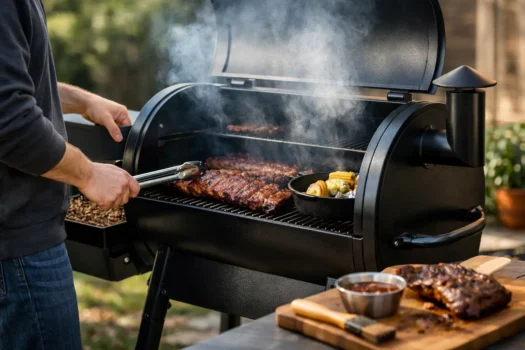
Pellet smokers look easy because the controller handles a lot of the work. That part is true. But if you want to know how to use a pellet smoker well, not just turn it on and hope for the best, you need a few habits that improve temperature stability, smoke quality, and long-term reliability.
A pellet smoker is one of the most forgiving ways to cook outdoors, especially for beginners. It feeds wood pellets from a hopper into a fire pot, uses a fan to manage combustion, and holds a target temperature with a digital controller. That convenience is the main selling point. The trade-off is that pellet grills still need setup, cleaning, and basic temperature awareness if you want consistent results.
What a pellet smoker is actually doing
A pellet smoker is part smoker, part convection oven. The burning pellets create heat and smoke, and the fan circulates that air around the cook chamber. That means food cooks more evenly than it does on many charcoal grills, but it also means airflow matters more than some people expect.
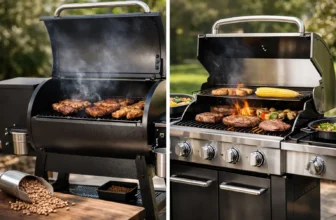
This is why pellet smokers are great for ribs, pork shoulder, turkey, chicken, meatloaf, and baked sides. They can also handle burgers and steaks, but not every model sears well. If your unit tops out at moderate grilling temperatures or lacks direct-flame access, you may get good browning but not the same crust you would from charcoal or a dedicated gas sear burner.
How to use a pellet smoker before the first cook
If the smoker is brand new, check whether the manufacturer requires an initial burn-off or seasoning cycle. Most do. That first run burns away oils and residues left from manufacturing. Skip it, and your first meal may taste like the inside of a factory box.
You should also vacuum out the fire pot and lower body if there is any dust or loose packing debris. Pellet smokers do not like ash buildup, and they definitely do not like wet sawdust. Start with dry pellets from a sealed bag or storage container. If pellets crumble easily or look swollen, do not use them. Damp pellets create feeding problems and inconsistent combustion.
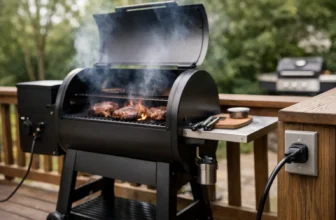
Set the drip tray and heat diffuser in place correctly, make sure the grease bucket is attached, and confirm the hopper is free of debris. Then plug the unit directly into a reliable outlet if possible. Pellet smokers depend on electricity, so bad extension cords and unstable power are real problems, not edge cases.
Starting a pellet smoker the right way
Most startup issues come from rushing the ignition sequence. Open the lid, turn the smoker on, and set it to the startup or smoke setting if your model uses one. Give the auger time to deliver pellets and let the fire establish before closing the lid.
Once you see smoke and hear the fan running steadily, close the lid and set your target cooking temperature. Then let the smoker preheat fully. On many units, that means waiting 10 to 20 minutes after the display reaches the number you set. The metal parts, drip tray, and grates need time to absorb heat. If you load food too early, chamber temperature drops hard and recovery takes longer.
That preheat matters even more in cold or windy weather. Pellet smokers can run year-round, but they are not immune to the environment. Wind strips heat fast, and thin-walled models struggle more than heavier ones.
Choosing the right temperature and smoke level
If you are learning how to use a pellet smoker, think in ranges instead of chasing one magic number. Low-and-slow barbecue usually lands between 225 and 275 degrees. Chicken often benefits from 300 to 375 degrees so the skin renders better. Baking casseroles or roasting vegetables can work well around 350 degrees.
Smoke flavor on a pellet smoker is usually strongest at lower temperatures, especially early in the cook. That is normal. Cleaner combustion at higher heat creates lighter smoke. If you want heavier smoke flavor, start lower for the first hour or two, then raise the temperature to finish the cook.
There is a trade-off here. More smoke is not always better. Thick white smoke can make food taste bitter. What you want is clean, thin smoke and steady heat. Pellet smokers do that well when they are clean and fed with decent pellets.
Where to place the food
Pellet smokers are more even than offset smokers, but they are not perfectly uniform. Most have warmer zones near the fire pot area or along one side of the chamber. The only way to know your cooker is to use it a few times and pay attention.
Place larger cuts like pork butt or brisket in the center area for the most balanced airflow. If one side of your smoker runs hotter, use that zone for foods that can handle extra heat, like chicken thighs or vegetables. Avoid crowding the grate. Air has to move around the food, or your cook times stretch and your browning suffers.
If your model has an upper rack, use it for lighter items or foods you want to cook a bit more gently. Upper racks often run slightly cooler, though not always. Again, it depends on the smoker design.
Use a thermometer and stop trusting the lid
The fastest way to improve your results is to use a good meat thermometer. The built-in lid thermometer, if your smoker has one, tells you very little about the exact temperature where your food sits. Even the digital controller display may not match grate-level temperature perfectly.
That does not mean the smoker is broken. It means all grills and smokers have temperature variation. For long cooks, use a leave-in probe for the meat and, if possible, a separate grate-level probe to learn how your unit behaves. At Global Grill Guide, this is one of the clearest differences between casual guessing and repeatable results.
Cook to internal temperature and tenderness, not just time. Ribs, pork shoulder, and brisket all have a range where they become done, and the exact finish point depends on the cut, fat content, and how the cook is progressing.
Common mistakes when learning how to use a pellet smoker
The most common mistake is opening the lid too often. Every peek dumps heat and extends the cook. Trust your probes more than your curiosity.
The second is skipping cleanup. Ash in the fire pot can interfere with ignition and temperature stability. Grease buildup can cause flare-ups or foul smoke. A pellet smoker is lower effort than many charcoal setups, but it is not self-cleaning.
The third is using poor pellets. Cheap pellets with inconsistent density or excess dust can create feeding issues, weak heat output, and uneven smoke flavor. Hardwood blend pellets are fine for most people, but buy from a brand with a solid reputation and keep them dry.
Another mistake is trying to force a pellet smoker to act like a high-end charcoal grill. Some pellet units can sear well. Some cannot. If yours is better at steady roasting and smoking than ripping-hot direct cooking, use it where it performs best.
Cleaning and maintenance after the cook
After the smoker cools down, empty grease if needed and scrape the grates before residue hardens. Every few cooks, remove the internal parts and vacuum ash from the fire pot and the bottom of the cook chamber. If you wait too long, ash starts affecting airflow and startup reliability.
Check the grease channel and bucket regularly. Pellet smokers produce less dramatic mess than some stick burners, but grease management still matters. A blocked channel is a preventable problem that can turn into a dangerous one.
It is also smart to run the shutdown cycle exactly as the manufacturer intends. Do not just unplug the smoker when you are done. The shutdown cycle lets remaining pellets burn out safely and helps prevent excess buildup in the pot.
A simple first-cook plan
For your first real cook, choose something forgiving. Chicken thighs, a pork loin, or a small rack of ribs are better training meals than an expensive brisket. Start at 250 degrees, let the smoker preheat fully, and monitor internal temperature with a probe.
Watch how quickly the smoker recovers after opening the lid. Notice whether one side cooks faster. Pay attention to pellet usage and how often ash builds up. These are the details that matter in real ownership, much more than flashy claims about smart features.
Once you understand your cooker, pellet smoking becomes pretty straightforward. Keep the pellets dry, keep the fire pot clean, preheat properly, and use thermometers instead of guesswork. That is the difference between a pellet smoker that feels effortless and one that always seems a little off.
The good news is you do not need perfect technique to make very good food on a pellet smoker. You just need a clean machine, realistic expectations, and enough patience to let the cooker do its job.
| Tip | Why It Works |
|---|---|
| Always preheat for 10–20 minutes after reaching the target temperature | Ensures the grates and cooking chamber are fully heated for more consistent cooking. |
| Keep pellets dry at all times | Moist pellets can cause auger jams, poor ignition, and unstable temperatures. |
| Resist opening the lid too often | Every lid opening releases heat and extends cooking time. |
| Use a digital meat thermometer | Internal meat temperature is far more reliable than cooking by time alone. |
| Vacuum ash every few cooks | A clean fire pot improves ignition, airflow, and temperature stability. |
FAQ
How do you use a pellet smoker for the first time?
Before your first cook, complete the manufacturer’s burn-off or seasoning cycle, check that all internal components are installed correctly, fill the hopper with dry pellets, and allow the smoker to fully preheat before adding food.
What temperature should I use on a pellet smoker?
It depends on what you’re cooking:
- 225–275°F for low-and-slow barbecue
- 300–375°F for chicken with crispier skin
- 350°F for roasting vegetables, casseroles, and baked dishes
Do pellet smokers need to be preheated?
Yes. Even after the controller reaches the target temperature, allow an additional 10–20 minutes for the cooking grates and internal components to fully heat. This helps maintain stable temperatures when food is added.
Should I use a meat thermometer with a pellet smoker?
Absolutely. A digital leave-in meat thermometer provides much more accurate results than relying on cooking time or the lid thermometer. Cooking to the correct internal temperature consistently produces better food.
How often should you clean a pellet smoker?
Brush the grates after every cook, empty the grease bucket as needed, and vacuum ash from the fire pot and cooking chamber every 2–5 cooks. A deeper cleaning every few weeks helps maintain reliable performance and extends the smoker’s lifespan.