 globalgrillguidecom
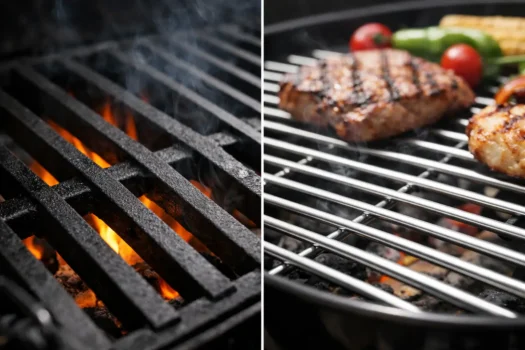
Cast iron vs stainless grates is not a question of which material is universally better. It is a question of how you cook, how often you grill, and whether you will actually keep up with maintenance. Cast iron can produce excellent sear marks and hold heat well. Stainless is easier to live with and usually lasts longer with less attention. Neither makes bad food. The wrong choice simply creates more work than your backyard routine supports.
For most homeowners who want a dependable grill they can use without babying it, stainless steel grates are the safer long-term choice. For cooks who value heavy heat retention, enjoy maintaining their equipment, and grill foods that benefit from a hard sear, cast iron still has a strong case.
Cast Iron vs Stainless Grates at a Glance
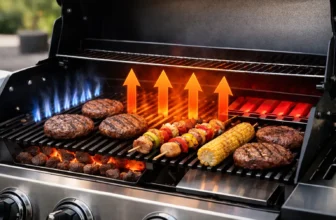
The practical difference shows up before the food even hits the grill. Cast iron takes longer to heat, but once it is hot, it stores a lot of energy. Put a cold steak, burger patty, or pork chop on the grate and cast iron recovers better than thin stainless rods. That stored heat helps brown the surface quickly.
Stainless steel heats faster and cools faster. Quality stainless grates can still sear very well, especially when paired with a capable gas, charcoal, or pellet grill. But lighter stainless rods do not have the same thermal mass as cast iron. The difference is real, though it is often overstated in marketing. Proper preheating matters more than grate material on many everyday grills.
The bigger ownership difference is maintenance. Bare cast iron is vulnerable to rust and needs seasoning. Stainless steel is not completely maintenance-free, but it tolerates moisture, missed cleanings, and year-round outdoor conditions far better.
Why Cast Iron Grates Earn Loyal Fans
Cast iron grates are heavy, dense, and good at transferring heat into food. If you grill steaks often, that is their main advantage. A well-preheated cast iron grate can leave darker, more defined grill marks and encourage stronger browning than a lightweight stainless grate.
That heat retention also helps when cooking in cool weather or when loading several pieces of food at once. Every cold burger or chicken thigh pulls heat from the cooking surface. Cast iron gives up heat more slowly, so the grate temperature does not drop as sharply.
Cast iron is also commonly found on lower- and mid-priced gas grills because it offers a premium-feeling cooking surface without the cost of thick stainless steel. Many of these grates are porcelain-coated cast iron, not bare cast iron. The coating reduces rust risk and makes cleanup somewhat easier, but it introduces a different weakness: chips and cracks. Once the porcelain coating is damaged, moisture can reach the iron underneath and rust can spread.
The maintenance reality of cast iron
Bare cast iron needs a light layer of oil and regular use to stay protected. After cooking, brush off residue, dry the grate thoroughly, and apply a very thin coat of high-smoke-point oil while the grate is still warm. Skip that routine for long enough, especially in a humid climate, and rust becomes likely.
Porcelain-coated cast iron needs less oiling, but it still needs careful cleaning. Do not attack it with harsh scraping tools or repeatedly bang the grates against hard surfaces. A chipped coating is not always an immediate reason to replace the grate, but it does mean closer inspection and more diligent drying.
Cast iron also breaks if dropped. It is strong under normal cooking use but brittle under impact. That matters when you are lifting heavy grates out for a deep clean or moving them around a patio kitchen.
Why Stainless Steel Grates Make More Sense for Many Owners
Stainless steel is the practical choice because it resists corrosion, handles regular cleaning, and does not require seasoning. For a grill that lives outdoors, that matters more than many buyers expect. Rain, condensation, grease, temperature swings, and the occasional forgotten cleanup all test a grate over time.
A good stainless grate will not rust like bare iron. It can discolor from heat and develop brown surface staining, but discoloration is not structural failure. Most of the time, a stiff grill brush, scraper, or appropriate cleaner will bring it back to usable condition without much drama.
Stainless is especially well suited to people who grill once or twice a week, keep their grill covered but not perfectly protected, or want to clean up quickly after dinner. It is also the more forgiving option for coastal areas and humid regions, where cast iron rust can become a recurring fight.
Not all stainless grates perform the same
“Stainless steel” on a product page tells you very little by itself. Thin, lightweight stainless rods are durable enough for basic cooking, but they lose heat quickly and may flex over time. Thick stainless rods, solid stainless bars, and heavy stainless grates hold more heat and provide a better searing surface.
The grade of steel matters too. Higher-quality stainless generally resists corrosion better, but buyers should be cautious about treating a grade number as a guarantee. Construction, grate thickness, weld quality, cleaning habits, and local weather all affect real-world lifespan.
If a grill has stainless grates that feel flimsy in the showroom, do not expect them to perform like heavy restaurant-style rods. They may still be the right choice for low-maintenance grilling, but set expectations correctly.
Searing: The Difference Is Real, but Not Everything
Cast iron has the edge for searing because it carries more heat to the food at the point of contact. That is simple physics, not hype. If your normal cook involves ribeyes, smash burgers, thick pork chops, and other foods where crust matters, cast iron gives you a useful advantage.
But grate marks are not the same as a great sear. A steak cooked over a properly preheated stainless grate can still develop excellent browning, especially if the grill has enough burner output or a strong charcoal fire. The entire cooking system matters: fire management, preheat time, lid position, airflow, and food temperature all play a role.
For a gas grill, preheat either material with the lid closed for at least 10 to 15 minutes, depending on the grill and weather. For charcoal, wait until the fire is fully established and the grate is hot. A cold or underheated cast iron grate will not outperform a properly heated stainless one.
Cleanup and Long-Term Ownership
Both materials should be cleaned while warm, not after grease has hardened overnight. Use a grill brush or scraper that matches the grate style, then wipe away loose debris before the next cook. The difference is what happens after that basic step.
Stainless allows you to be less precious. You can scrub it harder, use a stainless-compatible cleaner when needed, and worry less about a little moisture. Cast iron rewards careful ownership but punishes neglect. Leaving it wet, storing it dirty, or exposing it to repeated rain can shorten its life quickly.
There is also a replacement-cost angle. Cast iron grates are often less expensive than heavy stainless replacements, but they may need replacement sooner if rust or coating failure takes hold. Heavy stainless grates can cost more up front, yet they often deliver better long-term value for owners who want to buy once and avoid routine grate replacement.
Which Grate Material Fits Your Cooking Style?
Choose cast iron if you regularly cook steaks and burgers, care about strong contact searing, and do not mind oiling and drying grates as part of cleanup. It is also a good fit for a grill stored in a dry, protected area and used frequently enough to keep the seasoning active.
Choose stainless steel if convenience, corrosion resistance, and long service life matter most. It is the better fit for busy households, casual weekend grilling, humid climates, and anyone who knows maintenance tends to slip after a long cookout. If possible, choose thicker stainless rods or bars rather than the thinnest grate available.
Porcelain-coated cast iron sits in the middle. It offers much of cast iron’s heat retention with less seasoning work, but only until the coating is damaged. It can be a good value on a new grill, provided you handle it carefully and inspect it periodically.
The best grate is the one that will still be in good shape three years from now. Buy cast iron for its searing strength only if you are willing to maintain it. Buy quality stainless when you want reliable cooking without turning grill care into another weekend chore. No hype. Just a grate that matches the way you actually cook.