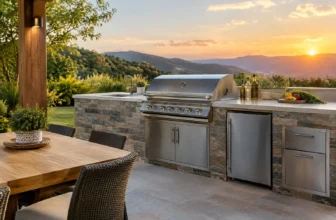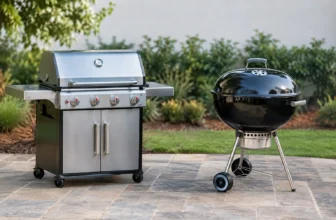

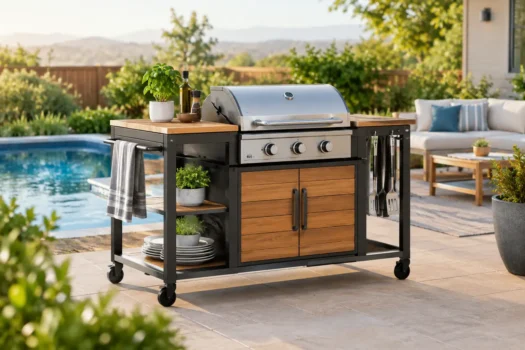
A grill with no place to prep, set down a hot pan, or store a spatula gets old fast. The best outdoor kitchen carts solve that problem without forcing you into a costly built-in setup. They add working space where you need it, move when the party shifts, and keep frequently used gear out of the garage.
But not every rolling cart belongs beside a grill. Some are glorified serving tables with weak wheels and thin shelves. Others use materials that look good for one season, then swell, rust, or become a cleaning project. The right choice depends on whether you need a prep station, an appliance stand, mobile storage, or all three.
What Makes the Best Outdoor Kitchen Carts Worth Buying
Start with the frame and work surface, not the accessory list. A cart that flexes when you knead pizza dough or roll out a brisket tray is not useful, no matter how many hooks it has. Stainless steel, powder-coated steel, weather-rated aluminum, and quality hardwood are the materials worth considering, though each has a different ownership cost.
Stainless steel is the safest all-around choice for serious outdoor cooking. It tolerates grease, rain, hot cookware, and repeated cleaning better than most materials. It can still show fingerprints, water spots, and surface rust if lower-grade steel is neglected, especially near the coast. A magnetic stainless top is often a sign of 430-grade steel, which is common and functional but less corrosion-resistant than 304-grade stainless.
Powder-coated steel can offer good value when the coating is even and the cart stays covered or sheltered. Once that finish chips at a weld, screw hole, or lower shelf, rust can start. Wood gives a cart a warmer appearance and makes an excellent prep surface when it is thick and properly sealed, but it needs regular oiling and should not be left exposed through wet weather.
The second test is stability. Good locking casters should keep the cart planted while you chop, lift a full Dutch oven, or slide a pizza peel across the top. Small hard-plastic wheels struggle on pavers, gravel, deck gaps, and uneven lawns. Larger rubber or polyurethane wheels roll better, make less noise, and are less likely to crack under a loaded cart.
Finally, look at usable space. A large top is helpful, but a cart also needs clearance around the grill. Measure the path from the cart to your cooking surface and think about door swings, grill lids, and traffic. A 48-inch cart may be excellent on a patio and frustrating on a narrow deck.
Best Outdoor Kitchen Carts by Backyard Need
There is no single best cart for every outdoor kitchen. Buying the right category is more useful than chasing a long feature list.
For serious prep work: stainless steel prep carts
A stainless prep cart is the practical choice for cooks who regularly handle raw meat, dough, trays, and cast-iron cookware outside. Look for a flat top with folded or rounded edges, a lower shelf that will not trap standing water, and a stated weight capacity that accounts for more than a few bags of charcoal.
Drawers are useful for thermometers, gloves, and small tools, but they are not mandatory. In humid climates, shallow drawers can collect moisture and become a home for bugs if they do not close tightly. Open shelving is easier to clean and often more useful for bulky gear such as griddles, fuel bins, and sheet pans.
This style is usually the best long-term fit next to a gas grill, pellet grill, or ceramic cooker. The trade-off is cost and appearance. A commercial-looking cart is not as furniture-like as a wood-topped island, but it will generally tolerate more abuse.
For small patios: narrow utility carts
A narrow cart with two shelves can be more useful than a sprawling island if your cooking area is tight. The goal is not to build a second kitchen outdoors. It is to create one reliable landing zone for plates, tools, and cooked food.
For this use, prioritize a top that is at least deep enough for a standard sheet pan and wide enough for a cutting board. Fold-down side shelves can help, but inspect their support brackets. A flimsy folding wing becomes the weak point of the whole cart.
Avoid buying a compact cart solely because it tucks away easily. If it is too light, it will roll or shift at the worst moment. A modest footprint with a heavy base and locking wheels is better than a featherweight unit that feels unstable.
For griddles and pizza ovens: purpose-built equipment stands
Heavy countertop pizza ovens, flat-top griddles, and portable pellet grills need more than an ordinary serving cart. Heat, weight, and ventilation matter. Use a stand rated for the appliance, with a noncombustible top and enough room to operate controls safely.
Do not assume every stainless cart is suitable. Some have thin tops that can dent under a heavy oven, while others place shelves or drawers too close to heat sources. Check the appliance manufacturer’s clearance requirements, then leave extra room for peels, grease management, and safe handling of hot cookware.
A purpose-built stand can seem limiting, but it often makes the whole setup easier to use. The best ones provide a stable working height, tool storage, and wheels that can move across a patio without making the appliance feel top-heavy.
For serving and storage: enclosed outdoor cabinets on casters
If your biggest problem is clutter, an enclosed rolling cabinet may be a better purchase than another prep table. Doors protect clean dishes, paper goods, and grilling accessories from dust and casual weather exposure. They do not make a cart waterproof, so avoid storing charcoal, wood pellets, or electronics inside unless the cabinet is specifically designed for that purpose.
This category works well for homeowners who cook occasionally and want the patio to look orderly between uses. Focus on door alignment, latch quality, and adjustable feet or wheel locks. Cheap hinges and thin cabinet panels are where budget carts usually fail first.
Features That Matter More Than Bottle Openers
Marketing photos love towel bars, condiment baskets, and built-in bottle openers. Those extras are fine, but they should not decide the purchase. Prioritize these four basics:
- A rigid frame with welded or well-braced joints that does not rack when pushed from the side.
- Locking casters sized for your actual surface, not just a smooth showroom floor.
- A work top that handles moisture, grease, and hot cookware without staining or warping.
- Storage that remains accessible when the cart is parked beside the grill.
Also pay attention to height. Many carts sit around standard counter height, which is comfortable for food prep but may be awkward beside a low portable grill. If you use a kettle grill or smoker, a slightly lower cart can make transferring food safer. For griddle cooking, matching the cart height to the appliance side shelf often creates the most natural workflow.
Maintenance Is Part of the Purchase Decision
Outdoor carts live hard lives. Grease drifts farther than most people expect, rain blows sideways, and wheels pick up grit that eventually affects how they roll. A cart that takes five minutes to wipe down after cooking is more likely to stay useful than one with decorative seams and hard-to-reach corners.
Clean stainless surfaces with mild soap and water, then dry them rather than letting mineral-heavy water sit. Use a cover when the cart is not under a roof, but do not trap moisture beneath it for weeks. For wood tops, reapply a food-safe outdoor oil or finish according to the manufacturer’s schedule. Check casters, fasteners, and wheel locks a few times each season.
If you live in a coastal area or somewhere with hard freezes, spend more on corrosion resistance and wheel quality. That is not lifestyle fluff. It is the difference between a cart that lasts several seasons and one that becomes garage clutter after a year.
Buy for the Cooking You Actually Do
The best outdoor kitchen cart is the one that removes friction from your normal cook, not the one that looks most complete in a product photo. A stainless prep cart makes sense for frequent grilling and smoking. A compact utility cart is better for a small deck. A rated appliance stand is the sensible answer for a heavy pizza oven or griddle.
Before buying, tape out the cart’s footprint near your grill, measure the route it must travel, and picture where hot food will land. That small reality check will tell you more than a page of polished specifications.