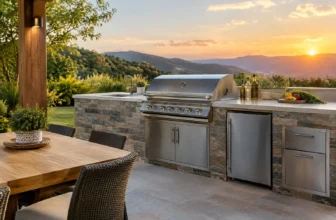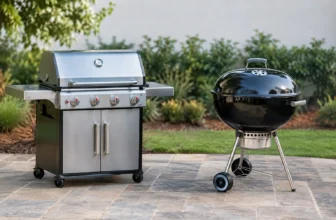

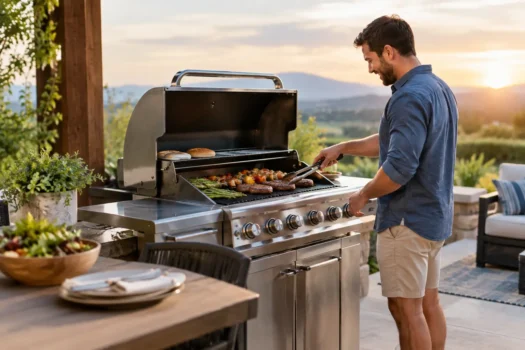
A gas grill can make a Tuesday dinner easier or turn into a frustrating, flare-up-prone hunk of steel that sits unused by August. The difference rarely comes down to the biggest BTU number on the box. Good gas grills earn their space on the patio through even heat, usable cooking room, solid construction, and cleanup that does not become a second chore.
For most homeowners, a gas grill is the practical choice because it starts quickly and holds a predictable temperature. That convenience matters. But the category is crowded with shiny lids, oversized claims, and feature lists that tell you little about how the grill will cook after two summers outside.
What Makes a Gas Grill Worth Buying
Start with the parts that affect cooking, not the cosmetic upgrades. A useful gas grill has burners that light reliably, a firebox that retains enough heat for proper searing, and grates that put food over a reasonably even cooking surface. Those basics matter more than a side burner you may use twice a year or cabinet doors that look good in a product photo.
Build quality is where price differences become real over time. Thin painted steel can work for occasional use, especially under a cover, but it tends to lose the fight against weather, grease, and repeated high-heat cooking. Stainless steel is not automatically better – thin, low-grade stainless can stain, warp, and rust around fasteners – but a well-built stainless firebox, lid, and hardware generally hold up better.
Look closely at the burners, heat diffusers, grates, and grease system. These are the components that take the most abuse. Burners should be thick enough to resist corrosion and arranged to cover the full cooking area. Heat diffusers should protect burners while spreading heat, rather than leaving obvious cool strips between them. Grates should sit securely and be heavy enough to retain heat when cold food hits the surface.
A grill can look substantial from ten feet away and still feel flimsy once you open the lid, pull the grease tray, or roll it across a patio. Check the lid balance, wheel quality, shelf supports, door alignment, and ignition controls. None of these details is exciting. All of them affect whether ownership stays easy.
Burner Count and Cooking Space
For a typical household, three burners are the sensible starting point. A three-burner grill provides enough space for weeknight meals and gives you the ability to create direct and indirect heat zones. That means you can sear chicken over one section, then move it away from the flames to finish without burning the skin.
Two burners can work for couples, small patios, and buyers who mostly cook burgers, vegetables, and a few chicken breasts at a time. The limitation shows up when you want to cook for a group or handle larger cuts indirectly. With only two burners, zone cooking is possible, but there is less room for error.
Four or more burners make sense when you routinely cook for larger groups, use indirect heat for ribs or roasts, or want separate temperature zones. More burners do not guarantee better performance. A poorly designed four-burner grill can cook less evenly than a well-built three-burner model. What matters is whether each burner contributes useful control across the grate.
Ignore inflated cooking-area numbers that include an upper warming rack as if it were equal to the main grate. The primary cooking surface is what counts. Also consider the shape of the grate. A deep grill can be more useful than a very wide, shallow one when cooking whole chickens, larger roasts, or food set up for indirect heat.
BTUs Are Not a Performance Score
BTU ratings are among the least helpful numbers in grill marketing when viewed alone. BTUs measure fuel input, not how efficiently a grill turns that fuel into usable cooking heat. A high BTU rating on a thin, leaky firebox may simply mean more propane burned to overcome poor heat retention.
Instead, pay attention to preheat time, grate-level heat, and temperature recovery after you add food. A capable grill gets hot enough for a real sear, maintains moderate temperatures without constant adjustment, and recovers after the lid has been opened. Those are ownership-level results, not brochure statistics.
Heat Control Is the Real Test
The best gas grills are predictable. You should be able to turn a burner down, close the lid, and get a repeatable result without guessing. This is especially important for foods that punish uneven heat: bone-in chicken, fish, pork chops, sausages, and anything with a sugary glaze.
Test a grill mentally against three jobs. First, can it produce high heat for steaks, burgers, and vegetables? Second, can it hold a moderate zone for chicken and thicker cuts? Third, can it run one side hot and the other side cool enough for indirect cooking? If the answer to one of those is no, the grill may still fit a narrow use case, but it is not a versatile backyard cooker.
Flare-ups deserve some perspective. A little flame when fat hits hot metal is normal. Constant flare-ups that force you to move food every minute are not. Well-designed heat diffusers manage drippings and protect the burners, but no system eliminates the need to trim excessive fat, keep the firebox clean, and avoid flooding the grill with sugary sauce too early.
Do not confuse a blazing hot lid thermometer with grate temperature. Lid thermometers are useful for a rough trend, but they are not precise enough to tell you what is happening where the food sits. A separate probe thermometer is a better tool for checking actual cooking conditions.
Grates, Searing, and the Materials Trade-Off
Cast-iron grates hold heat extremely well and can create strong grill marks. Their downside is maintenance. Bare cast iron needs regular drying, light oiling, and protection from rust. Enameled cast iron reduces the maintenance burden, but chipped enamel can become a long-term problem.
Stainless-steel grates are easier to maintain and generally more forgiving in damp climates. Heavier stainless rods retain heat better than thin stamped grates. They may not leave the same dramatic marks as cast iron, but they are often the better long-term choice for buyers who value easy care over grill-photo aesthetics.
Porcelain-coated steel grates are common on lower-priced models. They are fine when new, but the coating can chip and the underlying steel can rust. If the grill otherwise fits your budget, check whether replacement grates are readily available. Parts availability matters more than many first-time buyers expect.
Propane or Natural Gas?
Propane offers flexibility. You can place the grill where it works best, move it for a patio project, or take it with you if you relocate. The trade-off is tank management. Running out of fuel midway through dinner is avoidable if you keep a second filled tank, but it is still one more thing to monitor.
Natural gas removes the tank problem and is usually less expensive to operate over time. It also requires a properly located gas line and limits where the grill can live. Do not assume a propane grill can be converted safely. Some models are built for conversion, while others are not. Use only the manufacturer-approved setup for the grill you own.
Cleaning Determines How Long It Lasts
A gas grill does not need to be scrubbed after every cook, but it does need routine attention. Brush the grates while warm, empty the grease tray before it overflows, and periodically clear debris from the firebox. Grease buildup is not just messy. It contributes to flare-ups, odors, pests, and corrosion.
Once or twice per season, depending on use, remove the grates and heat diffusers and inspect the burners. Clear blocked burner ports carefully and check that the flame pattern is even. Uneven flames, delayed ignition, or yellow-tipped flames can signal debris, corrosion, or a regulator issue.
A cover helps, but it is not a cure for neglect. Covers can trap moisture if the grill is already wet or dirty. Let the grill cool and dry before covering it, and do not treat a cover as permission to skip cleaning.
Features That Matter and Features That Usually Do Not
Side shelves matter if you lack a nearby prep surface. A built-in thermometer is convenient, though not highly accurate. Interior lights can help if you cook after dark. Locking casters matter on uneven patios or windy decks.
Sear burners, infrared zones, rotisserie kits, and side burners can be useful, but only when they match your cooking habits. A dedicated sear zone is worthwhile for people who regularly cook steaks. A rotisserie can be excellent for whole poultry and roasts. A side burner is less valuable when your kitchen is ten steps away.
The more features a grill has, the more parts it has to maintain. Buy capability you will use, not a specification sheet you admire.
A good gas grill should make you want to cook more often because it is ready, controllable, and not a headache to maintain. Choose the size and features that fit your actual meals, then put the rest of the budget into better burners, stronger materials, and a design you can keep clean. That is where long-term value lives.