 globalgrillguidecom
Table of Contents
Introduction
Fire Should Be Simple – Not Stressful
Lighting charcoal is still the moment when confident grillers suddenly start negotiating with fate. The food is ready, guests are hovering, and the grill refuses to cooperate like a stubborn lawn mower on a cold morning. This is exactly where the most popular: chimney starter earns its reputation as one of the most reliable pieces of backyard grilling equipment ever designed.
Many people assume charcoal itself is the problem, but the real issue is ignition control. Lighter fluid creates smoke spikes, chemical taste, and unpredictable burn patterns that make charcoal grill temperature control harder than it should be. A proper charcoal chimney starter solves those problems in one move – it creates consistent airflow, concentrated heat, and repeatable ignition every single time.
This tool is not a luxury accessory. It is part of fuel and fire management, just like a thermometer or proper ventilation. When the fire starts correctly, everything else becomes easier – from even heat distribution to stable cooking performance and cleaner flavor.
This guide covers what actually matters in real-world grilling:
- how chimney starters work
- how to choose the right size and build quality
- what experienced users notice after months of use
- which models are worth buying – and which ones are just metal cylinders with good marketing
Because at the end of the day, reliable fire is not magic. It is engineering.
What a Chimney Starter Really Does
Controlled Airflow Is the Secret
A BBQ chimney starter is essentially a controlled combustion chamber. That sounds technical, but the principle is simple – vertical airflow creates faster ignition and more consistent heat than random burning ever could.
When charcoal is stacked vertically inside a chimney, air moves upward through the fuel column. That airflow feeds oxygen directly to the hottest part of the fire, accelerating the charcoal ignition process and stabilizing the burn. This is why chimney starters can light charcoal quickly without chemicals, electricity, or guesswork.
The difference between ignition methods becomes obvious after a few cooking sessions:
Chimney starter vs lighter fluid
- cleaner smoke
- no chemical residue
- predictable burn timing
- better clean charcoal flavor
Chimney starter vs electric starter
- faster airflow-driven ignition
- no cords or power requirements
- more consistent heat buildup
Chimney starter vs fire starters alone
- stronger heat concentration
- better fuel efficiency
- more reliable ignition in wind
Fire quality determines cooking quality. Always has. Always will.
Why More Grillers Are Switching to Chimney Starters
Speed, Flavor, and Control
There is a reason the grill chimney starter has become a standard tool in serious outdoor kitchens. It removes uncertainty from the one step that used to be unpredictable.
The biggest shift happens in time management. Instead of guessing when the grill is ready, users start to recognize consistent ignition patterns. Most charcoal loads reach cooking readiness within a predictable window, making fast charcoal lighting part of a repeatable routine rather than a gamble.
Typical performance improvements include:
- faster ignition cycles
- more stable heat output
- improved charcoal heat consistency
- fewer flare-ups
- easier barbecue fire control
Real user feedback follows a familiar pattern:
“lights charcoal in 15 minutes”
“no chemical taste”
“works every time”
These are not marketing slogans. They are operational observations from people who grill regularly.
And once someone experiences natural charcoal lighting, going back to lighter fluid feels like returning to dial-up internet. Technically possible – emotionally painful.
How Chimney Starters Work
Simple Design, Smart Engineering
A charcoal ignition tool looks simple because it is simple. But small design details create big performance differences, especially under repeated high-heat use.
The key components include:
Airflow holes
These control oxygen supply and combustion speed. Larger vents increase ignition speed but must remain structurally stable under heat stress.
Fuel stacking chamber
This determines capacity and heat concentration. A well-designed chamber allows fuel to ignite evenly from bottom to top, improving efficient grill ignition.
Heat concentration zone
The lower section focuses heat into a narrow area, accelerating the burn and supporting stable ignition.
Draft effect
Hot air rises, pulling fresh oxygen into the chamber. This natural movement drives the entire charcoal airflow system.
Material thickness matters more than most people realize. Thin steel heats quickly but warps over time, while thicker steel resists deformation and extends lifespan. The difference becomes obvious after dozens of cooking cycles, especially in high-temperature grilling environments.
A chimney starter is not complicated technology. It is refined simplicity.
Choosing the Right Chimney Starter Size
Capacity Determines Cooking Speed
Selecting the right size is less about brand and more about cooking workflow. The amount of charcoal you light determines how quickly the grill reaches stable operating temperature and how long it stays there.
Small Chimney Starter
Best for:
- quick weeknight cooking
- compact grills
- burgers and sausages
Typical capacity:
30–50 briquettes
Small units excel in efficiency. They reduce fuel waste and shorten startup time, making them ideal for charcoal cooking preparation when speed matters more than volume.
Standard Chimney Starter
Best for:
- regular backyard grilling
- family cooking
- balanced heat management
Typical capacity:
50–80 briquettes
This size represents the sweet spot for most households. It provides enough fuel for stable cooking while maintaining manageable ignition time and consistent charcoal heat management.
Large Chimney Starter
Best for:
- extended BBQ sessions
- smoking
- batch cooking
Typical capacity:
80–100+ briquettes
Large units support long cooking cycles and high-output heat scenarios. They are designed for sustained performance rather than quick convenience.
Now let’s look at the real tools people actually use.
Standard Size Chimney Starters
The Most Popular Category
These models dominate the market because they balance capacity, durability, and ease of use. They are the default choice for most grill owners and the foundation of reliable outdoor cooking fire management.
Weber Rapidfire Chimney Starter
The Industry Benchmark
Why This Model Dominates the Market
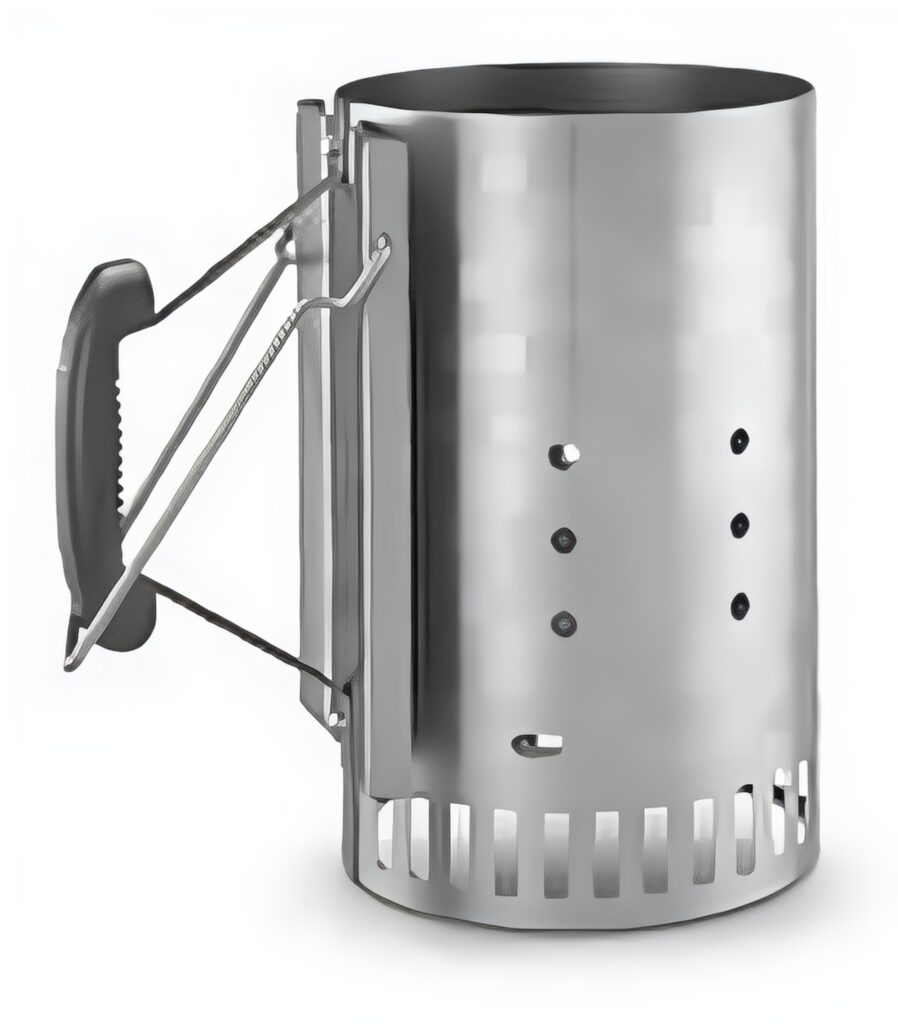
The Weber Rapidfire is widely considered the best chimney starter for everyday grilling because it consistently delivers predictable ignition and long-term durability. It has been refined over years of real-world use, and its design reflects practical engineering rather than flashy features.
Build Quality and Materials
The body is constructed from aluminized steel, a material known for strong heat resistance and corrosion protection. This allows the unit to maintain structural integrity even after repeated exposure to high-temperature ignition cycles.
Thicker metal walls reduce warping and extend service life, making the Rapidfire a dependable component in any charcoal grilling setup.
Real-World Performance
Typical ignition time ranges between:
10–20 minutes
Heat distribution remains stable, allowing charcoal to reach cooking readiness without uneven burning or excessive smoke. The airflow layout supports consistent combustion, which improves charcoal grill temperature control and reduces fuel waste.
Safety and Handling
The handle includes a heat shield that protects the user’s hand during pouring. Balance remains stable even when the chamber is fully loaded, reducing the risk of accidental spills during transfer.
Strengths
Reliable ignition
Durable construction
Easy handling
Predictable performance
Limitations
Handle warmth during extended sessions
Moderate capacity compared to larger models
Best For
Most grill owners
Regular backyard cooking
Balanced performance
Check current price and availability here: Weber Rapidfire Chimney Starter
Kingsford Deluxe Chimney Starter
Strong Performance at a Practical Price
Design and Construction
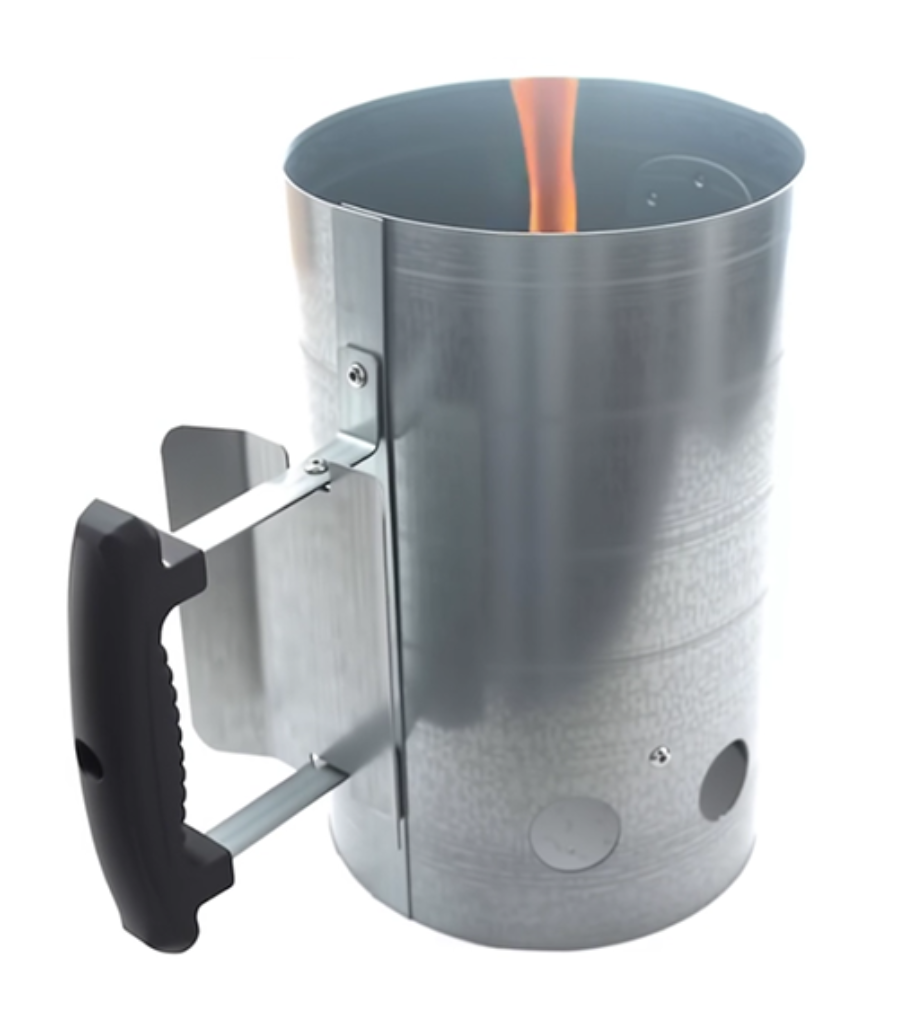
The Kingsford Deluxe focuses on functional simplicity. Its steel body provides sufficient strength for regular use while maintaining an affordable price point, making it accessible to new grillers exploring safe charcoal lighting methods.
Airflow openings are positioned to maximize combustion efficiency, supporting reliable ignition even under moderate wind conditions.
Performance in Daily Use
This model delivers consistent ignition speed and stable heat output for standard grilling sessions. It performs particularly well in routine cooking scenarios where reliability matters more than premium features.
Fuel capacity supports balanced cooking performance and dependable grill startup routine timing.
What Users Like Most
Affordable price
Simple operation
Reliable ignition
Where It Falls Short
Slightly thinner steel
Shorter lifespan under heavy use
Best For
Budget-conscious buyers
Occasional grillers
Reliable basic performance
Check current price and availability here: Kingsford Deluxe Chimney Starter
Compact Chimney Starters
Fast Ignition for Smaller Grills
Compact units exist for one reason – efficiency. They reduce fuel consumption and shorten ignition time, making them ideal for quick meals and limited storage environments.
Weber Rapidfire Compact Chimney Starter
Small Size, Surprisingly Powerful
Why Compact Models Exist
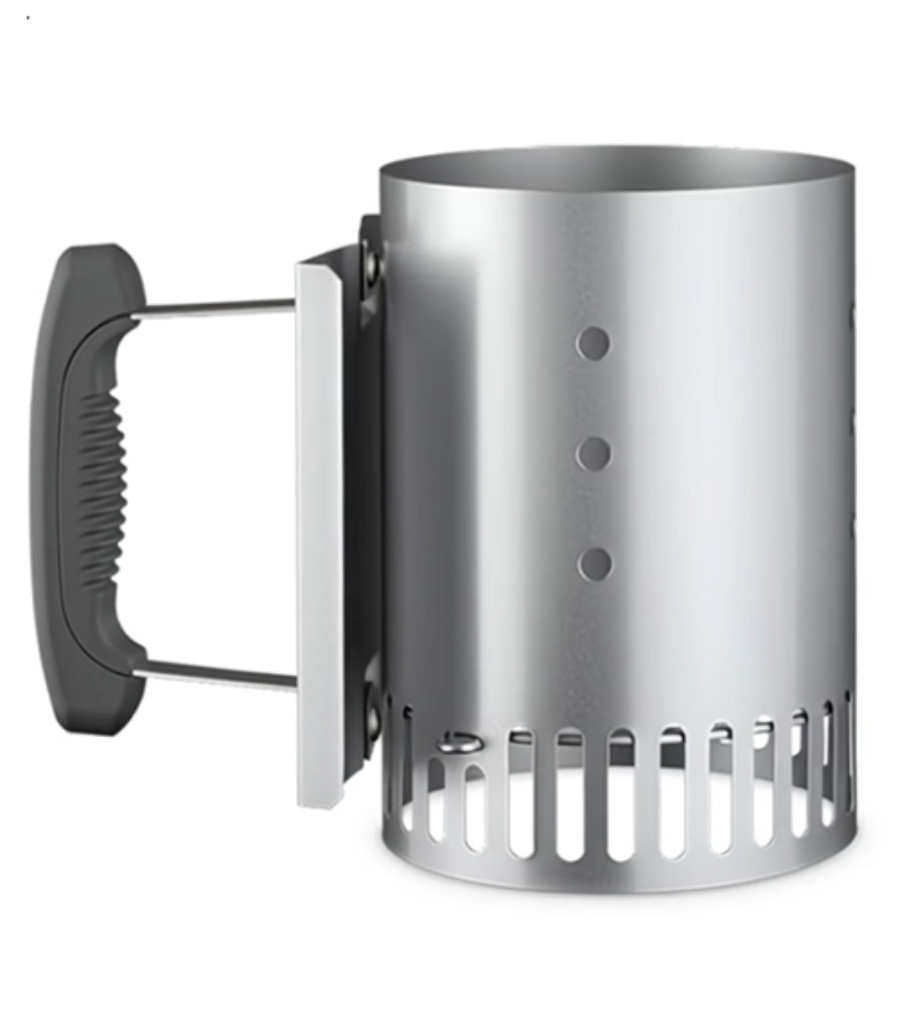
Smaller chimneys reduce fuel waste and accelerate heat readiness. They also fit easily into tight storage spaces, which makes them practical for apartment patios and portable grilling setups.
Performance in Quick Cooking Scenarios
Typical uses include:
Weeknight dinners
Small gatherings
Short cooking sessions
The reduced chamber size supports faster ignition cycles, improving efficient grill ignition and simplifying charcoal cooking preparation when time is limited.
Real User Experience
Users consistently report rapid startup times and easy handling. The lighter weight makes pouring safer and more controlled, especially for beginners learning how to start charcoal safely.
Strengths
Fast lighting
Compact storage
Easy handling
Limitations
Limited charcoal capacity
Best For
Small grills
Quick meals
Short cooking sessions
Check current price and availability here: Weber Rapidfire Compact Chimney Starter
Large Capacity Chimney Starters
Built for Long Cooking Sessions
Large-capacity units focus on volume and sustained heat production. They are designed for extended cooking sessions where maintaining consistent temperature is critical.
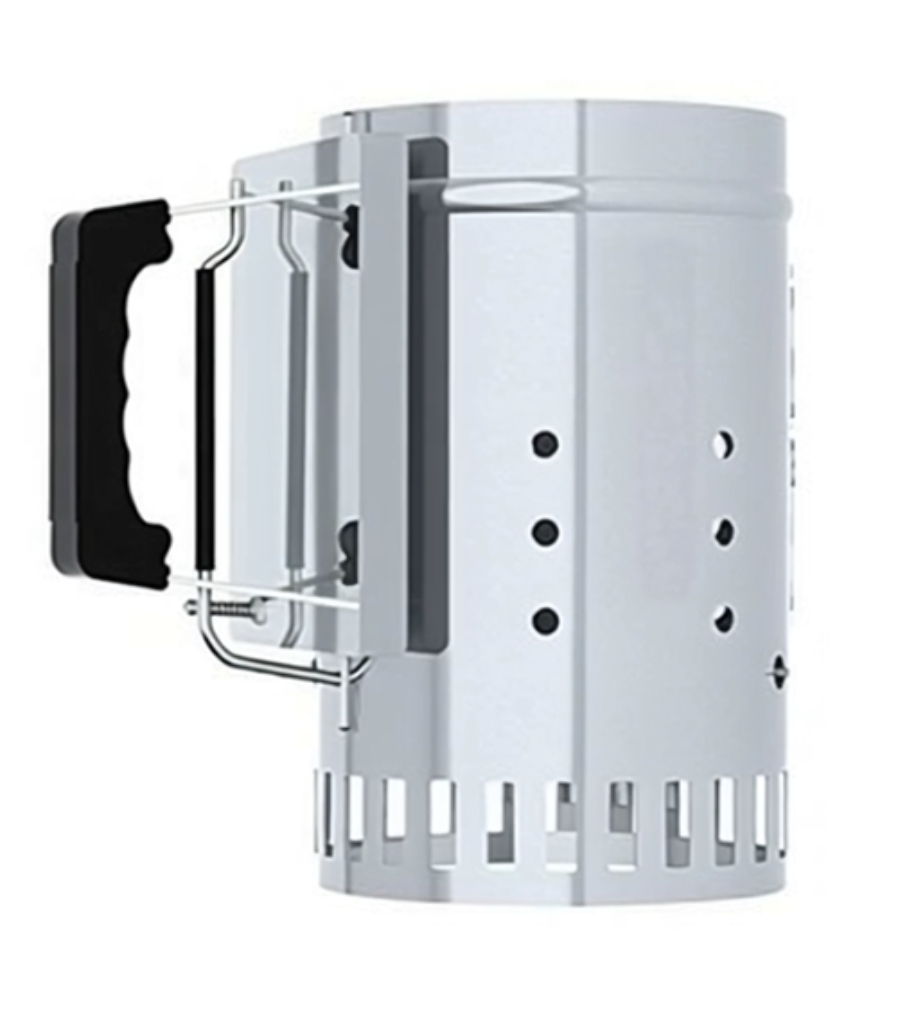
Char-Griller Charcoal Chimney Starter
Extra Capacity for Serious Heat
Capacity and Airflow Design
The oversized chamber allows more charcoal to ignite simultaneously, producing higher heat output and longer burn duration. This improves efficiency during smoking or multi-batch cooking sessions.
Strong airflow design ensures reliable combustion even under heavy fuel loads, supporting stable charcoal heat consistency across extended cooking periods.
Performance Under Heavy Loads
Lighting time increases slightly due to larger fuel volume, but the resulting heat output remains stable and predictable. This makes the unit well-suited for demanding grilling scenarios.
Real-World Use Cases
Smoking
Large gatherings
Batch cooking
Strengths
Large charcoal capacity
Strong airflow
High heat output
Limitations
Bulkier storage
Longer ignition time
Best For
Large families
Frequent grillers
Extended cooking sessions
Check current price and availability here: Char-Griller Charcoal Chimney Starter
Heavy-Duty Chimney Starters
Built for Durability and Longevity
These models emphasize structural strength and resistance to repeated high-temperature use. They are designed for users who grill frequently and expect equipment to last for years.
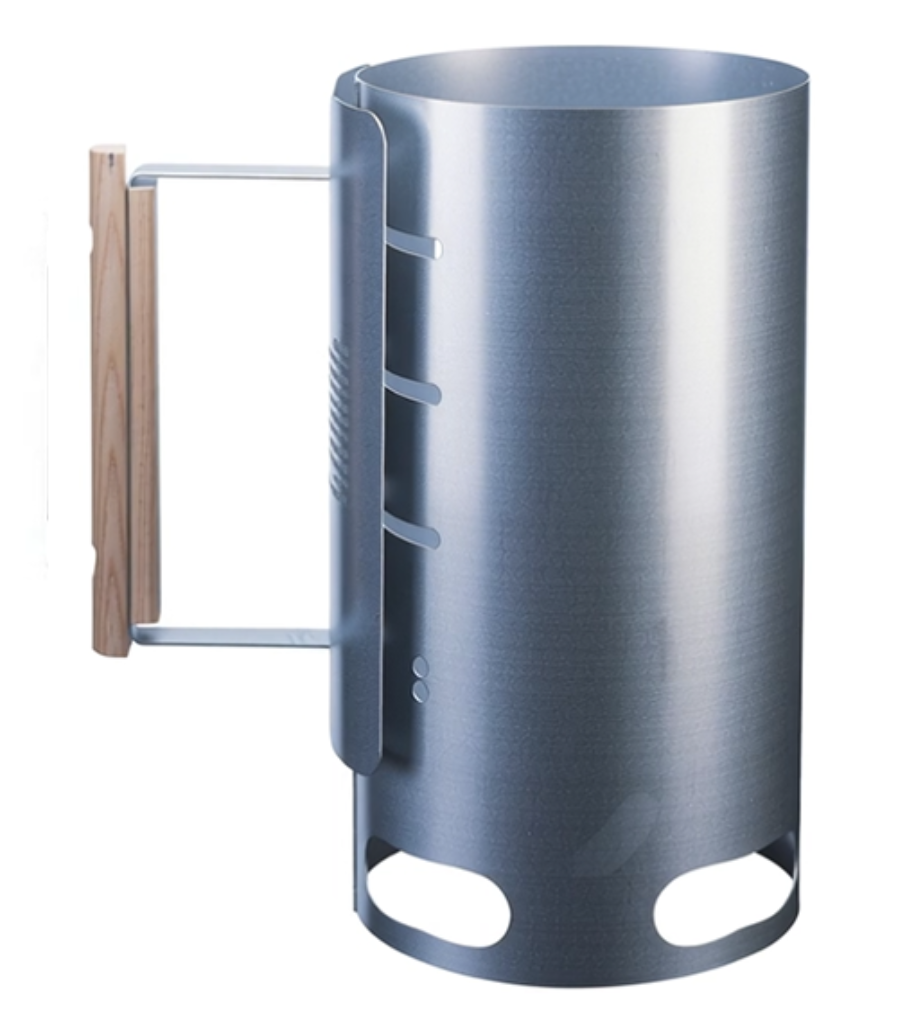
Lodge Chimney Charcoal Starter
Traditional Strength and Reliability
Construction and Materials
The Lodge chimney uses thicker steel walls and reinforced structural components, improving durability under continuous heat exposure. This design prioritizes longevity over lightweight convenience.
The heavier construction reduces deformation and supports reliable performance across hundreds of ignition cycles, making it a dependable part of long-term outdoor cooking fire management.
Performance in Demanding Conditions
Frequent grilling sessions place significant stress on metal components. This model maintains structural stability and consistent ignition performance even after prolonged use.
What Users Appreciate
Solid construction
Long lifespan
Dependable performance
Where It Shows Its Character
Heavier weight
Industrial feel
Best For
Heavy grill users
Traditional charcoal cooking
Durability-focused buyers
Check current price and availability here: Lodge Chimney Charcoal Starter
Premium Stainless Steel Chimney Starters
Refined Engineering and Long-Term Value
Premium models focus on corrosion resistance and structural refinement rather than raw ignition speed. They are built for long-term reliability in outdoor environments.
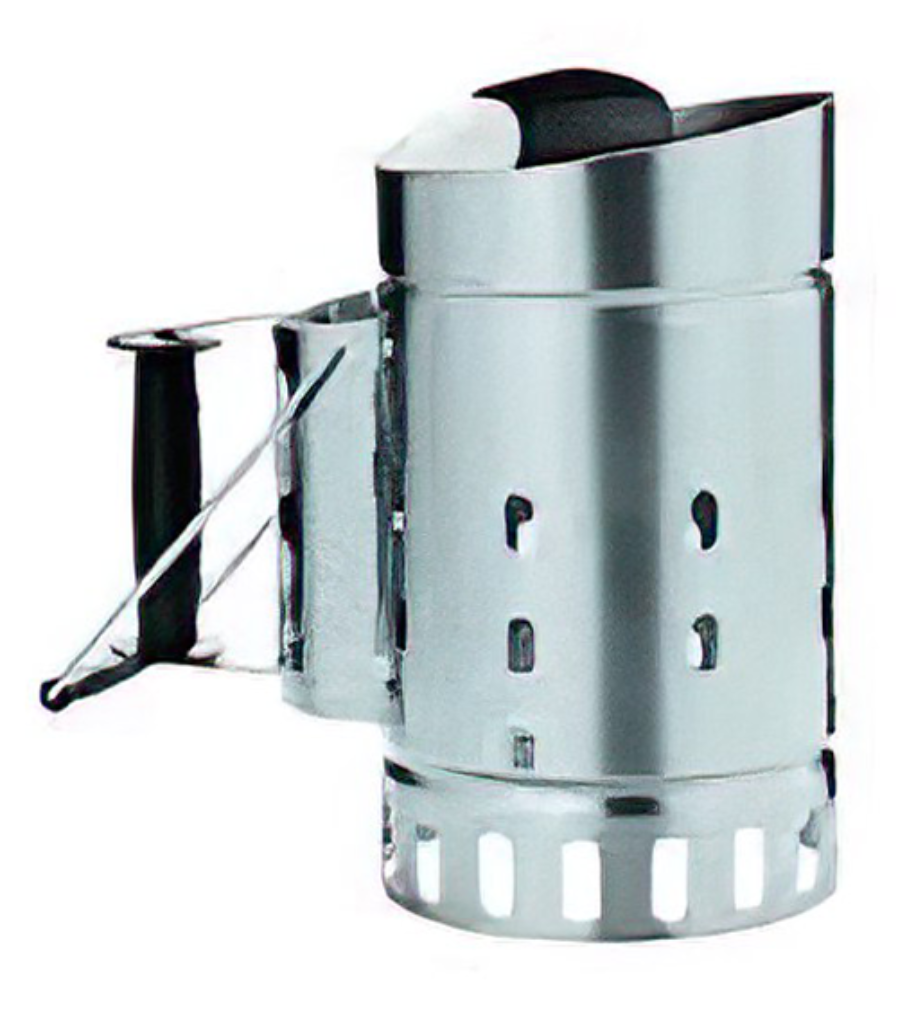
Rösle Stainless Steel Chimney Starter
German Engineering for Serious Grillers
Materials and Engineering
The stainless steel body provides superior resistance to rust and heat damage, making the unit suitable for year-round outdoor storage. This material choice significantly extends product lifespan compared to standard steel designs.
Structural stability remains consistent even under repeated high-temperature cycles, supporting reliable performance across long-term use.
Performance Over Time
Durability improves operational reliability and reduces replacement costs. This makes premium units a practical investment for frequent grillers who value consistent performance.
Real-World Feedback
Users often mention:
Premium feel
Long lifespan
Professional build quality
Strengths
Exceptional durability
High build quality
Premium materials
Limitations
Higher price
Best For
Frequent grillers
Outdoor kitchens
Long-term investment
Check current price and availability here: Rösle Stainless Steel Chimney Starter
Chimney Starter Safety
Heat Is Predictable – Accidents Are Not
A chimney starter for grill produces extremely high temperatures, often exceeding 900°F during ignition. That level of heat demands respect and proper handling.
Key safety principles include:
Use heat-resistant gloves
Place the unit on stable ground
Avoid flammable surfaces
Supervise the ignition process
Safety is not a separate step in grilling. It is part of barbecue fire control and responsible equipment handling.
Common Mistakes When Using a Chimney Starter
Using Too Much Fuel
Overfilling reduces airflow and slows ignition. Proper fuel volume supports efficient combustion and stable heat output.
Lighting from the Top
Ignition should start from the bottom. This allows heat to rise through the fuel column and supports consistent charcoal airflow system performance.
Pouring Too Early
Partially lit charcoal creates unstable temperature conditions and uneven cooking results. Waiting for full ignition ensures reliable charcoal heat management.
Ignoring Wind Conditions
Wind affects airflow and combustion speed. Adjusting ignition placement improves reliability and supports safe charcoal lighting.
The Simple 3-Step Lighting Method
A Reliable Routine That Works Every Time
Step 1 – Load charcoal
Step 2 – Light ignition material
Step 3 – Wait for full ignition
Typical timing:
10–20 minutes
This routine represents the best way to light charcoal grill systems without chemicals or unnecessary complexity.
Once mastered, it becomes automatic – like tying shoelaces or checking your phone even when it didn’t vibrate.
When You Need More Than One Chimney Starter
Experienced grillers rarely rely on a single ignition tool. Multiple units improve workflow flexibility and reduce downtime during large cooking sessions.
Common setups include:
Standard chimney for routine grilling
Compact chimney for quick meals
Backup unit for reliability
Redundancy improves efficiency. In fire management, backup equipment is not paranoia – it is preparation.
Chimney Starter Comparison Table
Best Chimney Starters at a Glance
| Model | Category | Capacity | Material | Ignition Speed | Durability | Best For | Price Range | Quick Verdict |
|---|---|---|---|---|---|---|---|---|
| Weber Rapidfire Chimney Starter | Standard | Medium (50–80 briquettes) | Aluminized Steel | Fast | High | Most grillers | $$ | The safest all-around choice |
| Kingsford Deluxe Chimney Starter | Standard | Medium | Steel | Fast | Medium | Budget buyers | $ | Reliable and affordable |
| Weber Rapidfire Compact Chimney Starter | Compact | Small (30–50 briquettes) | Aluminized Steel | Very Fast | High | Small grills | $$ | Best for quick meals |
| Char-Griller Charcoal Chimney Starter | Large | Large (80–100+ briquettes) | Steel | Medium | High | Long BBQ sessions | $$ | Built for volume |
| Lodge Chimney Charcoal Starter | Heavy-Duty | Medium | Thick Steel | Fast | Very High | Frequent grillers | $$$ | Built like a tank |
| Rösle Stainless Steel Chimney Starter | Premium | Medium | Stainless Steel | Fast | Exceptional | Long-term investment | $$$$ | Premium engineering |
FAQ
How to use a chimney starter?
Fill the chimney with charcoal, place a fire starter or paper underneath, and light it from the bottom. In about 15–20 minutes, the charcoal will turn gray and glowing, which means it is ready to pour into the grill.
How long does a chimney starter take to light charcoal?
Most chimney starters light charcoal in 10–20 minutes depending on airflow, charcoal type, and weather conditions. Larger chimneys and dense charcoal may take slightly longer to reach full ignition.
Is a chimney starter better than lighter fluid?
Yes. A chimney starter produces cleaner heat, avoids chemical taste, and creates more consistent temperature control. It is also safer and more reliable for regular grilling.
How much charcoal should you put in a chimney starter?
Most standard chimney starters hold enough charcoal for one full grill session. For smaller meals, filling the chimney halfway is usually sufficient. Overfilling can reduce airflow and slow ignition.
Can you use a chimney starter in windy weather?
Yes, but strong wind can affect airflow and ignition speed. Placing the chimney in a sheltered area helps maintain stable heat and faster lighting.
Do chimney starters work with lump charcoal?
Yes. Chimney starters work with both briquettes and lump charcoal. Lump charcoal may ignite faster because it allows more airflow between pieces.
Is a chimney starter safe?
Yes, when used correctly. Always place the chimney on a heat-resistant surface and use heat-resistant gloves when handling hot metal.
Why does charcoal burn better in a chimney starter?
Because the vertical design creates strong airflow. Oxygen feeds the fire from below, which increases combustion speed and heat consistency.
Conclusion
A Chimney Starter Is Not Optional Equipment
A good charcoal starter without lighter fluid does more than ignite fuel. It stabilizes the entire cooking process and removes uncertainty from the most critical step in grilling.
Reliable chimney starters:
- save time
- improve flavor
- stabilize heat
- simplify cooking
Fire is the foundation of outdoor cooking. When ignition becomes predictable, everything else becomes easier – from temperature control to timing and flavor consistency.
Reliable fire creates reliable cooking. Always.