 globalgrillguidecom
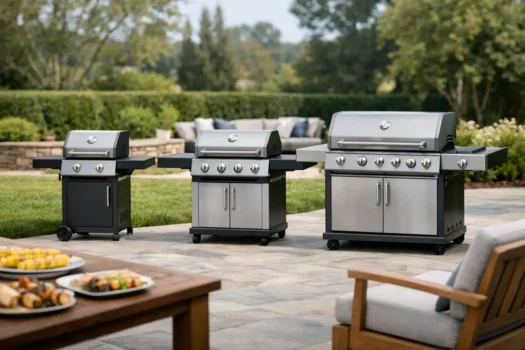
A lot of people buy the wrong grill for one simple reason – they shop by headline specs instead of how they actually cook. If you are trying to figure out how to choose grill size, the right answer usually has less to do with maximum burger counts and more to do with your weeknight routine, your patio, and how much grill you want to clean for the next five years.
Grill size affects more than capacity. It changes heat control, fuel use, recovery time, footprint, storage, and how often the grill feels convenient enough to use. Bigger is not automatically better. Too small is frustrating. Too large can be expensive, slower to heat, harder to maintain, and wasteful for a household that mostly grills for two.
Table of Contents
What grill size really means
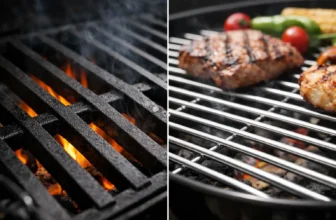
When people talk about grill size, they usually mean cooking area, measured in square inches. That number matters, but it is not the whole story. A 500 square inch grill with poor burner layout or weak heat output can feel smaller in practice than a well-designed 400 square inch grill with better usable space.
You also need to look at primary cooking area versus total cooking area. Primary cooking area is the main grate where direct cooking happens. Total cooking area often includes upper warming racks, which can be useful for buns, vegetables, or holding finished food, but they do not replace real main-grate space. If you regularly cook burgers, chicken pieces, steaks, or larger cuts at the same time, primary cooking area matters more.
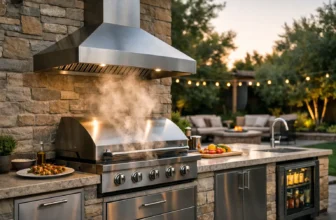
Physical size matters too. Some grills offer a decent amount of cooking space without taking over the whole patio. Others have bulky side shelves, oversized carts, or lids that need extra clearance behind the grill. If your deck, balcony, or storage area is tight, the actual footprint can matter as much as the grate size.
How to choose grill size for your household
Start with the number of people you cook for most often, not the biggest party you might host twice a year. That one shift prevents a lot of overbuying.
If you usually cook for one to two people, a compact grill is often enough. In many cases, 250 to 400 square inches of primary cooking space handles weeknight meals comfortably. You can cook a few steaks, chicken breasts, burgers, or a mix of protein and vegetables without feeling cramped. Going much larger than that only makes sense if you want extra zones for indirect cooking or you plan to grow into the grill.
If you regularly cook for three to five people, the sweet spot is often around 400 to 550 square inches of primary space. This range works well for the average family because it gives you enough room to separate foods, manage flare-ups, and cook a full meal without constant reshuffling.
If you often cook for six or more, or you host neighborhood gatherings, you may want 550 square inches and up. But this is where people get pulled into buying too much grill. Ask yourself whether you really need to cook everything at once. For many buyers, a mid-size grill with good heat control is more useful than a giant grill that spends most of its life half empty.
Match the grill to how you cook
The right size depends heavily on what ends up on the grates.
If you mostly grill fast foods like burgers, hot dogs, boneless chicken, shrimp, and vegetables, you can get by with less space because those foods cook relatively quickly and are easy to move around. If you cook whole chickens, racks of ribs, reverse-seared steaks, or mixed meals with direct and indirect zones, extra room becomes more valuable.
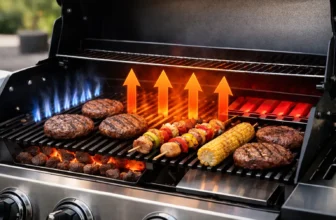
This is especially true if you like two-zone cooking. On charcoal grills, setting up a hot side and a cooler side eats into your usable grate space. The same applies on gas grills when you keep one burner off for indirect heat. A grill that seems large on paper can feel tight once you reserve part of it for gentler cooking.
Pellet grills create a different sizing question. Since they are often used for longer cooks, think about what you might smoke, not just what you will grill. A pellet grill that handles burgers for the family may still feel small if you want to smoke multiple pork butts or lay out several racks of ribs flat.
Space and storage matter more than most buyers expect
A grill can have the perfect cooking area and still be the wrong size if it does not fit your home.
Measure the area where the grill will live, then leave room for lid clearance, side shelves, traffic flow, and safe distance from walls or railings. If the grill sits in a narrow spot, a larger model can become annoying fast. That matters because inconvenience kills usage. A grill you dread rolling out, uncovering, and squeezing around gets used less.
Storage matters too. If you live in an area with rough winters or heavy rain, think about whether the grill needs to move into a garage or covered space. A physically larger grill adds weight, takes up floor space, and can be harder to maneuver. That may not sound like a buying factor on day one, but it becomes one after the first season.
Fuel type changes the sizing decision
Gas grills
Gas grills are often the easiest place to overspend on size. Big gas grills look impressive in a showroom, but if you usually cook a few burgers or chicken thighs, a large firebox can be inefficient. More burners and more space can improve flexibility, but they also mean more parts to clean, more grates to maintain, and more room to preheat.
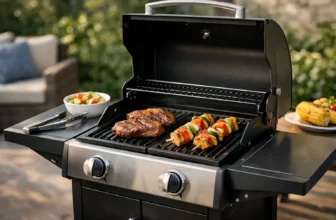
For many households, a quality two-burner or three-burner gas grill is enough. Four burners and larger make sense when you use multi-zone setups often or cook for groups on a regular basis.
Charcoal grills
With charcoal, size affects fuel usage and fire management more directly. A larger charcoal grill gives you more room for indirect setups and larger cuts, but it also requires more charcoal to run well. If you mostly cook smaller meals, a huge charcoal grill can feel wasteful and slower to manage than it is worth.
Pellet grills
Pellet grills reward buying with some margin, especially if smoking is part of the plan. Long cooks benefit from having enough room to spread food out for airflow and even cooking. That said, very large pellet grills take longer to heat and cost more to buy and maintain. If most of your cooking is for a couple people, do not assume you need competition-level capacity.
Electric grills
Electric grills are often chosen because space is limited, so physical size and usable cooking area need extra scrutiny. Published capacity claims can sound generous, but compact electric grills fill up quickly if you cook a full meal at once.
Avoid the most common sizing mistakes
One of the biggest mistakes is shopping by total square inches alone. Another is buying for holidays instead of normal use. There is also the showroom problem: large grills tend to signal value because they look substantial, even when a smaller, better-built grill would be the smarter long-term buy.
The opposite mistake happens too. Buyers go too small to save money, then end up frustrated by crowding, poor temperature control, and the inability to cook different foods at the same time. If a grill is packed edge to edge every time you use it, it is undersized for your routine.
A practical middle ground usually wins. You want enough room to cook your typical meal comfortably, plus a little extra for flexibility, without paying for capacity you will rarely use.
A simple way to choose grill size without overthinking it
If you want a straightforward framework, use this.
Buy small if you cook for one to two people most of the time, have limited outdoor space, and mainly grill quick meals. Buy medium if you cook for a family, want room for direct and indirect cooking, and need an everyday grill that can still handle occasional guests. Buy large only if you regularly host, cook larger cuts, or know you will actually use the extra grate space often.
Then reality-check that choice against your patio size, storage situation, and budget. A larger grill does not just cost more upfront. It usually costs more in covers, replacement grates, fuel, cleaning time, and wear parts over the years.
At Global Grill Guide, we keep coming back to the same principle: the best grill size is the one you will use often, manage easily, and still feel good about after the novelty wears off. Buy for your real routine, not the fantasy version of backyard cooking, and you will make a much better call.
| Tip | Why It Helps |
|---|---|
| Buy for your typical cook, not your biggest BBQ. | Most people overestimate how much cooking space they actually need. |
| Focus on primary cooking area. | Main grate space is far more useful than warming racks. |
| Leave room for two-zone cooking. | Indirect cooking requires extra grate space, especially on charcoal grills. |
| Measure your patio before shopping. | Consider lid clearance, side shelves, and walking space—not just grill dimensions. |
| Think about long-term maintenance. | Larger grills cost more to clean, fuel, cover, and maintain over time. |
FAQ
What size grill do I need for a family of four?
A grill with 400–550 square inches of primary cooking space is typically ideal for a family of four. It provides enough room for burgers, steaks, vegetables, and indirect cooking without being oversized.
Is a bigger grill always better?
No. Larger grills require more fuel, take longer to preheat, need more cleaning, and occupy more patio space. Choose a size that matches your normal cooking routine rather than occasional large gatherings.
How many square inches of cooking space do I need?
As a general guide:
- 250–400 sq. in. — 1–2 people
- 400–550 sq. in. — 3–5 people
- 550+ sq. in. — Large families and frequent entertaining
Does grill size affect cooking performance?
Yes. A properly sized grill offers better heat management and allows for direct and indirect cooking zones. An overcrowded grill cooks less evenly, while an oversized grill may waste fuel and heat.
Should I choose grill size based on fuel type?
Yes. Gas grills can often be smaller because they heat quickly, while charcoal and pellet grills benefit from extra space for indirect cooking, airflow, and smoking larger cuts of meat.