
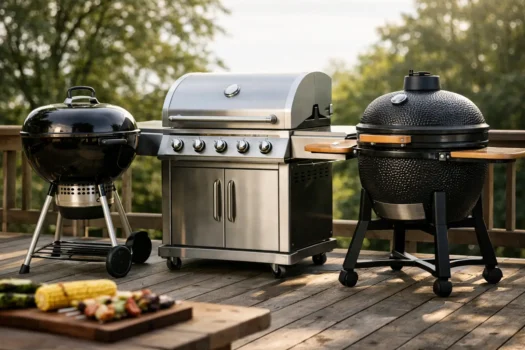
A cheap grill can look fine on a showroom floor and still become a rusted, uneven-heating headache within three summers. If you are asking what grill lasts the longest, the honest answer is not a logo, a fuel type, or a price tag by itself. It is a well-built grill made from the right materials, with a design you can maintain and parts you can still replace years later.
For most home cooks, high-quality stainless steel gas grills and well-made ceramic charcoal cookers have the best case for long service lives. But the best choice depends on how you cook, where you live, and whether you will actually clean and protect the grill. A grill that can theoretically last 20 years is not much value if it does not fit the way you cook.
The Longest-Lasting Grill Is Usually Built From Better Steel
Material quality determines whether a grill ages slowly or starts failing at the seams. The exterior matters, but the parts exposed to direct heat matter even more: burners, cooking grates, heat deflectors, fireboxes, charcoal grates, and fasteners.
Thick 304 stainless steel is the best all-around material for longevity in a gas grill. It resists corrosion better than painted steel and lower-grade stainless, tolerates heat well, and cleans up without losing its structural integrity. It is not completely rust-proof, especially near salt air or under neglected grease, but it has a major advantage over thin powder-coated steel cabinets.
Not every stainless grill is equal. Manufacturers can call a grill “stainless” when only the lid or control panel uses it. Look past the shiny finish. A durable grill has a substantial firebox, solid lid construction, burners that are not paper-thin, and grates with enough mass to retain heat. If a large grill feels flimsy when you open the lid or flexes when pushed, it is unlikely to become a long-term fixture on your patio.
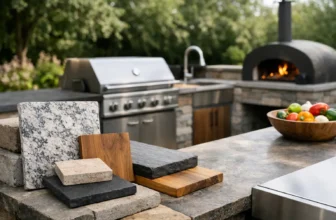
Ceramic charcoal cookers, including kamado-style grills, take a different path to durability. Their thick ceramic bodies cannot rust, and their simple design has few parts to burn out. A quality ceramic cooker can last decades when handled carefully. The trade-off is obvious: ceramic can crack from impact, careless transport, or severe thermal shock. A stainless gas grill is usually more forgiving of rough handling; a ceramic grill is more resistant to corrosion.
Cast aluminum grill bodies also deserve more credit than they get. They do not rust like steel, and a well-designed cast aluminum gas grill can remain useful for many years. The limitation is that internal parts still wear out, and thin aluminum components can warp. This is a strong option for buyers who want dependable gas grilling without paying for a large, all-stainless cabinet.
What Grill Lasts the Longest by Fuel Type?
There is no single winner because each fuel type fails differently. The question is less about which grill has the longest theoretical lifespan and more about which one has the fewest weak points for your cooking habits.
Gas grills: long-lived when parts are available
A premium stainless steel gas grill can last 15 to 20 years or longer with regular care. The body may outlive several sets of burners, igniters, flavorizer bars, and cooking grates. That is normal. Consumable parts are not a defect if replacements remain available and reasonably priced.
This is why parts support matters as much as construction. A grill from a manufacturer with a long track record of stocking burners and grates is a safer ownership bet than a feature-packed model from a brand that changes designs every year. Before buying, check whether replacement burners, grates, ignition components, and heat-management parts are sold for older models.
Avoid confusing a long warranty with a grill that will never need work. Warranties often cover the firebox or lid but exclude the components most likely to fail first. Read what is covered, for how long, and whether labor is included. Marketing loves a lifetime warranty. Your real concern is whether the grill can still cook evenly after five hard seasons.
Ceramic charcoal grills: the strongest long-term case
For pure body longevity, a well-made ceramic grill is hard to beat. There are no gas burners to corrode, no electronic controller to fail, and no thin metal firebox sitting over high heat. The core vessel can serve a dedicated owner for decades.
Ceramic cookers also use relatively simple replacement parts. Gaskets, grates, fire rings, hinges, and ash tools can wear or break, but none are especially complicated. Their biggest weakness is physical damage. If you move often, have an exposed deck, or expect to wheel the grill over uneven ground, a heavy ceramic unit needs more care than its long lifespan might suggest.
Pellet grills: convenient, but more parts can mean more repairs
Pellet grills are built around electronics, motors, fans, an igniter, and a controller. Even when the body is solid, those components create more possible failure points than a basic charcoal or gas grill. A good pellet grill can last a long time, but it is rarely the simplest answer for maximum durability.
The best long-term pellet grills use heavy-gauge steel, a protected controller, quality wiring, and readily available replacement parts. The worst have thin painted bodies, exposed electronics, and limited support. Moisture is especially hard on pellet systems. Wet pellets can swell in the auger, and condensation can damage components that do not tolerate neglect.
Choose a pellet grill for its temperature control and cooking style, not because you expect it to be maintenance-free for 20 years. It can be a worthwhile purchase, but it requires more owner attention than a ceramic cooker.
Basic charcoal grills: simple can last a long time
A simple charcoal kettle has very little to go wrong. The body, lid, vents, grates, charcoal grate, and ash system are easy to understand and easy to replace. A quality porcelain-enameled steel kettle can deliver a decade or more of service, often longer with a cover and basic cleaning.
The weak spots are typically the legs, bowl supports, ash catcher, lower vents, and charcoal grate. These areas face heat, ash, moisture, and physical stress. Still, simplicity works in the kettle’s favor. If you want a durable, affordable grill and do not need push-button convenience, it is one of the smartest long-term buys.
The Parts That Actually Decide Grill Lifespan
Do not judge a grill only by its headline material. Look closely at the parts that take daily punishment.
Burners should be stainless steel with solid construction and accessible mounting points. Thin burners corrode, clog, and develop uneven flame patterns. Heat deflectors or flavorizer bars should be thick enough not to warp after a season of high-heat cooking. Stainless grates last longer than porcelain-coated cast iron in wet climates, while bare cast iron can last for years if you are willing to keep it seasoned and dry.
The firebox is another major dividing line. A heavy cast aluminum or thick stainless firebox retains its shape under repeated heat cycles. Thin painted steel eventually blisters, rusts, and can burn through around seams and fasteners. Cabinets and side shelves are secondary. A rusty shelf is annoying; a failing firebox ends the grill.
Also inspect the grease system. Grease that drains cleanly into an accessible tray is easier to manage and less likely to create corrosive buildup or flare-up problems. Complicated channels that cannot be reached with a scraper turn basic maintenance into a chore. When cleaning is difficult, owners postpone it. Then the grill wears out faster.
Weather and Maintenance Can Cut Years Off Any Grill
A durable grill left uncovered in a coastal climate can fail sooner than a modest grill kept clean in a dry, sheltered spot. Salt air is particularly destructive because it accelerates corrosion even on stainless steel. Humid regions, heavy rain, winter freeze-thaw cycles, and lawns with frequent irrigation all create extra wear.
A fitted cover helps, but only if the grill is dry before covering it and the cover allows some air movement. Trapping moisture under a cover can be nearly as bad as leaving the grill exposed. Store it under a roof or overhang when possible, keep it away from sprinkler spray, and clear grease and ash after cooking.
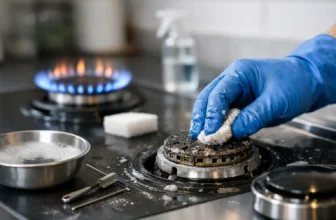
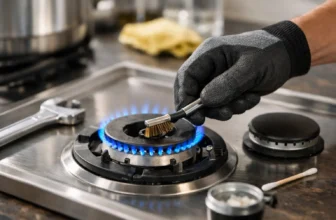
For gas grills, inspect burners and clean the grease tray several times each season. For charcoal grills, remove ash once it is cool because ash holds moisture against metal. For pellet grills, vacuum ash regularly and keep pellets dry. These are not fussy rituals. They are the routine work that separates a grill that lasts from one that looks worn out early.
Buy for Repairability, Not Just Initial Finish
The longest-lasting grill is often the one you can repair instead of replace. That favors established designs with standard components and a history of parts availability. It also favors simpler systems. More features can be useful, but every extra light, motor, screen, side burner, and electronic control adds another item that may eventually need service.
That does not mean buying the most stripped-down grill available. Buy the features you will use, then pay for better construction around them. A sturdy three-burner gas grill is generally a better long-term investment than a larger bargain model with a thin firebox, flimsy grates, and six burners you do not need.
If maximum lifespan is your only priority, start with a quality ceramic charcoal cooker or a heavy-duty stainless steel gas grill from a company that supports older models. Pick ceramic if you enjoy charcoal cooking, do not move the grill often, and can protect it from impacts. Pick stainless gas if fast weeknight cooking, easy ignition, and broad versatility matter more. The right grill is the one you will maintain, use often, and still trust when dinner needs to be on the table.