 globalgrillguidecom
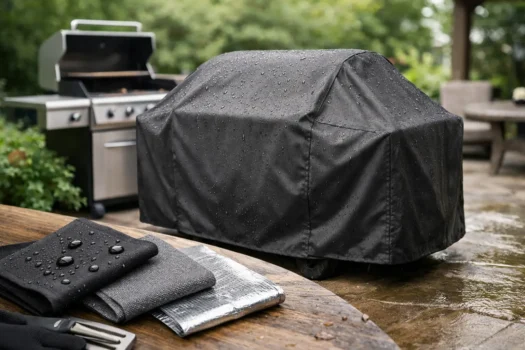
A grill cover usually fails long before the grill does. The weak point is rarely the logo or the stitching pattern shown in product photos. It is the material. If you are trying to figure out the best grill cover material, the right answer depends on your weather, where the grill sits, and how much maintenance you are willing to do.
For most homeowners, solution-dyed polyester with a waterproof or water-resistant backing is the best overall choice. It gives you the most balanced mix of UV resistance, tear strength, manageable weight, and everyday usability. But that does not mean it is the best option for every setup. If you live in constant rain, deal with intense sun, or keep a grill in a windy open area, the trade-offs start to matter fast.
Table of Contents
What actually matters in grill cover material
Most cover shopping gets derailed by thickness claims and generic words like heavy-duty. Those labels tell you very little on their own. A good cover material has to handle four jobs at once: block water, resist sun damage, avoid tearing at corners, and stay usable when you need to pull it on and off several times a week.
That last point gets ignored. A cover can look tough on paper and still be annoying in real ownership. If it is too stiff, too heavy, or traps moisture underneath, people stop using it consistently. At that point, the cover is not protecting anything.
Material choice also affects what kind of failure you get. Some fabrics crack. Some fade and weaken in sunlight. Some hold water and mildew. Some survive weather well but split where they rub against sharp lid edges or side shelves. The best material is not the one with the most aggressive marketing. It is the one that keeps doing its job after a year or two outside.
Best grill cover material for most buyers
Polyester is the strongest all-around option
If you want one material category that fits the widest range of buyers, polyester is it. Not the cheapest thin polyester used in bargain covers, but a midweight to heavy polyester with decent stitching and a protective coating or backing.
Polyester works because it is lighter and easier to handle than many vinyl-heavy covers, but still durable enough for normal backyard use. It resists stretching, dries relatively quickly, and does not become as awkward in changing temperatures. Better polyester covers also hold color longer, especially when the fabric is solution-dyed rather than surface-dyed.
That UV resistance matters more than many buyers realize. Sun is often what kills a cover first, even in places that get plenty of rain. A cover that looks fine after storms can still become brittle from months of direct exposure.
The catch is that polyester quality varies a lot. Cheap polyester can fade, thin out, and leak at the seams. So polyester is not automatically good. It is just the best starting point when the fabric weight, coating, vents, and construction are also done well.
Why solution-dyed polyester stands out
Solution-dyed polyester is worth paying attention to because the color is added before the fibers are formed, not just applied afterward. That usually improves fade resistance and helps the material hold up better in strong sun.
For buyers in hot, bright climates, this is one of the few material upgrades that can make a noticeable long-term difference. A basic black or dark gray cover sitting in direct sun can age fast. Better UV stability helps slow that process.
How vinyl compares
Vinyl covers still have a place, but they come with more baggage than many buyers expect. The big appeal is water protection. Vinyl naturally sheds water well, and when it is new, it can look like the obvious winner for wet climates.
The problem is long-term flexibility and heat exposure. Vinyl can stiffen in cold weather and crack over time, especially if it is repeatedly folded, pulled tight over corners, or left in harsh sun. Once cracking starts, performance drops fast.
There is also a usability issue. Vinyl-heavy covers tend to be bulkier and less pleasant to handle. If your grill gets used several nights a week, that matters. A cover that feels like wrestling a tarp gets old quickly.
Vinyl-backed polyester is often a better compromise than full vinyl. You get much of the water resistance without all the drawbacks of an all-vinyl shell. Still, in very hot climates, even vinyl-backed options can degrade faster than better fabric-based covers.
Is canvas the best grill cover material?
Canvas sounds appealing because it suggests toughness, and in some cases it delivers. Heavy canvas can be durable, abrasion-resistant, and substantial enough to stay put in wind. It also tends to look better than cheap synthetic covers, if that matters to you.
But canvas is not the easiest answer for grill protection. Traditional canvas can absorb water unless it is treated, and those treatments wear down. It is also heavier, slower to dry, and more likely to develop mildew if moisture gets trapped. For a grill cover that lives outdoors full time, those are real drawbacks.
Some modern canvas-style covers are really synthetic blends designed to mimic canvas while improving weather resistance. Those can perform well, but at that point the performance advantage usually comes from the synthetic construction, not the idea of canvas itself.
If your grill is under a covered patio and you mainly want dust, pollen, and occasional rain protection, canvas-style materials can work fine. For exposed yards with regular storms, they are usually not the smartest first choice.
The trade-offs by climate
Hot and sunny climates
In places with intense sun, UV resistance matters more than maximum waterproofing. A cover that blocks every drop of rain but cooks itself to death in sunlight is not a good value. This is where solution-dyed polyester usually makes the most sense.
Lighter colors can also age better than very dark ones, although color should never override material quality. If your grill sits on a west-facing patio with zero shade, prioritize fade resistance and fabric stability over brute thickness.
Rainy and humid climates
In wet regions, water resistance and ventilation both matter. Many buyers focus only on keeping water out, but trapped condensation under a cover can be just as damaging. Moisture buildup encourages rust on metal parts and mildew on the cover itself.
A polyester cover with a good backing and built-in vents is often the best balance. Full vinyl can work, but only if you accept the cracking risk and bulkier handling. Covers that sit directly against the grill without airflow tend to create problems, regardless of material.
Snow and freezing temperatures
Cold weather changes the equation. Stiff materials become harder to remove and more prone to cracking. That is one reason vinyl can be frustrating in northern climates. Polyester generally stays easier to handle and less brittle.
If snow load is a concern, fit matters almost as much as fabric. A loose cover can collect snow and strain seams. A properly fitted polyester cover with reinforced stress points is usually a better winter solution than an oversized heavy vinyl cover.
Material matters, but construction still decides lifespan
Even the best grill cover material will fail early if the cover is poorly built. Seams are common failure points. So are corners where the cover rubs against side shelves, lid handles, and sharp frame edges. If a cover has weak stitching or no reinforcement in high-stress spots, premium fabric alone will not save it.
Look for double-stitched seams, reinforced corners, secure straps or buckles, and vents that actually help airflow. A good fit is equally important. A cover should not be skin-tight, but it also should not balloon in the wind. Constant flapping wears material down fast.
This is also why very cheap oversized covers disappoint people. On paper, the material may sound acceptable. In real use, bad fit and weak construction shorten the life of the cover.
So what should you actually buy?
If you want the clearest practical answer, buy a well-fitted polyester cover, preferably solution-dyed, with a water-resistant or waterproof backing, reinforced seams, and some form of ventilation. For most grills in most US climates, that is the safest recommendation.
Go with vinyl only if your top priority is maximum water shedding and you are willing to accept more stiffness, more bulk, and a higher chance of cracking over time. Consider canvas-style options only when the grill has partial shelter or when appearance and abrasion resistance matter more than all-weather exposure.
The best grill cover material is the one that fits your actual ownership conditions, not the one with the toughest-sounding product description. A cover should be easy enough to use that you keep using it, and durable enough that you are not replacing it every season. That is the standard worth buying for.
Comparison Table: Best Grill Cover Material for Real Protection
| Feature | Solution-Dyed Polyester (Recommended) | Vinyl | Canvas / Canvas-Style |
|---|---|---|---|
| Overall Rating | ⭐⭐⭐⭐⭐ Best overall choice | ⭐⭐⭐ Good for maximum waterproofing | ⭐⭐⭐ Good in sheltered environments |
| Water Resistance | Excellent with waterproof or water-resistant backing | Excellent | Fair to Good (depends on treatment) |
| UV Resistance | Excellent, especially solution-dyed fabrics | Fair to Good (can degrade in sun) | Moderate (treated canvas fades over time) |
| Durability | High tear resistance and long lifespan | Good initially, but prone to cracking with age | High abrasion resistance, but weather performance varies |
| Flexibility | Remains flexible in most temperatures | Can become stiff in cold weather | Heavier and less flexible |
| Weight | Medium, easy to install and remove | Heavy and bulky | Heavy |
| Drying Speed | Fast | Fast | Slow |
| Risk of Cracking | Very low | High over time, especially in sun and freezing weather | Very low |
| Mildew Resistance | Good with proper ventilation | Good | Lower if moisture becomes trapped |
| Ease of Daily Use | Excellent | Fair | Fair |
| Best Climate | Nearly all climates | Very rainy climates | Covered patios or mild climates |
| Major Advantages | Balanced durability, UV protection, easy handling, long lifespan | Superior water shedding | Attractive appearance, abrasion resistance |
| Main Drawbacks | Quality varies between manufacturers | Cracks, stiffens, bulky to handle | Absorbs moisture, slower drying, can mildew |
| Best For | Most homeowners | Areas with frequent heavy rain | Grills under partial shelter |
Climate-Based Material Comparison
| Climate | Best Material | Why It Works |
|---|---|---|
| Hot & Sunny | Solution-dyed polyester | Superior UV resistance prevents fading and fabric breakdown. |
| Rainy & Humid | Polyester with waterproof backing and vents | Balances water protection with airflow to reduce condensation and mildew. |
| Snow & Freezing Temperatures | Polyester | Remains flexible in cold weather and is less likely to crack than vinyl. |
| Windy Locations | Heavy polyester with reinforced straps | Better balance of durability and usability while resisting flapping damage. |
| Covered Patio | Canvas-style or polyester | Exposure is limited, so appearance and abrasion resistance become more important. |
Construction Features That Matter More Than Material Alone
| Construction Feature | Why It Matters |
|---|---|
| Double-stitched seams | Reduces seam failure over time. |
| Reinforced corners | Prevents tearing where the cover rubs against grill edges. |
| Air vents | Minimize condensation, mildew, and trapped moisture. |
| Adjustable straps or buckles | Keep the cover secure during windy weather. |
| Proper fit | Prevents excessive flapping, stretching, and premature wear. |
| Waterproof or water-resistant backing | Adds protection without sacrificing flexibility. |
FAQ: Best Grill Cover Material for Real Protection
What is the best material for a grill cover?
For most homeowners, solution-dyed polyester with a waterproof or water-resistant backing is the best material. It offers the best balance of UV protection, tear resistance, weather protection, manageable weight, and long-term durability across a wide range of climates.
Is polyester better than vinyl for grill covers?
In most cases, yes. Polyester is lighter, easier to handle, dries faster, and remains flexible in both hot and cold weather. Vinyl provides outstanding waterproofing but is more likely to become stiff, crack over time, and feel bulky during regular use.
Are expensive grill covers worth the extra cost?
Often, yes. Higher-quality covers typically use heavier fabrics, stronger stitching, reinforced corners, UV-resistant materials, ventilation systems, and better waterproof coatings. These features usually extend the cover’s lifespan far more than simply choosing a thicker material.
What features should I look for besides the material?
Look for:
- Double-stitched seams
- Reinforced corners
- Built-in air vents
- Adjustable straps or buckles
- A snug but not overly tight fit
- Waterproof or water-resistant backing
Construction quality often has as much impact on longevity as the fabric itself.
Why do grill covers fail so quickly?
Most covers fail because of UV exposure, trapped moisture, poor construction, constant wind movement, or cracking materials, rather than rain alone. Choosing the right material for your climate and ensuring proper fit and ventilation can significantly extend a cover’s service life.