 globalgrillguidecom
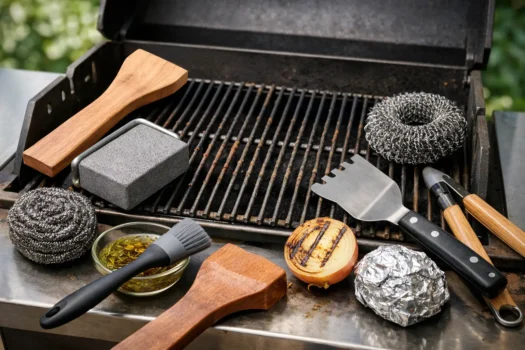
That moment when you spot a stray wire bristle on the grate is usually enough to make anyone start looking for grill brush alternatives. Fair. A traditional wire brush can clean fast, but it also brings a risk many backyard cooks would rather avoid entirely. The good news is you do have options. The less good news is that no single replacement works best for every grill, grate material, or level of baked-on mess.
If you want the short version, the best alternative depends on what you cook on and how neglected your grates are. Cast iron, stainless steel, and porcelain-coated grates do not all respond the same way to scraping and abrasion. Some tools are better for quick post-cook cleanup. Others are better for deep cleaning when grease and carbon have been building for weeks.
Table of Contents
What makes good grill brush alternatives?
A useful cleaner needs to do three things well. It has to remove residue without taking forever, it has to avoid damaging the grate surface, and it has to be predictable enough that you will actually keep using it. A lot of gimmicky grill-cleaning tools fail on that third point. They work once in a demo and then sit in a drawer.
This is also where trade-offs matter. The safest tool on paper is not automatically the best one if it barely removes stuck-on food. On the other hand, the most aggressive scraper in your grill kit is not a great choice if you are cleaning porcelain-coated grates that can chip or wear prematurely.
The best grill brush alternatives for real-world use
1. Grill scraper tools
A solid grill scraper is the most practical replacement for many people. These tools are usually made from hardwood or a shaped composite material, and they clean by conforming to the grate over time. Once grooves form, the scraper rides the bars well and removes buildup without loose metal bristles.
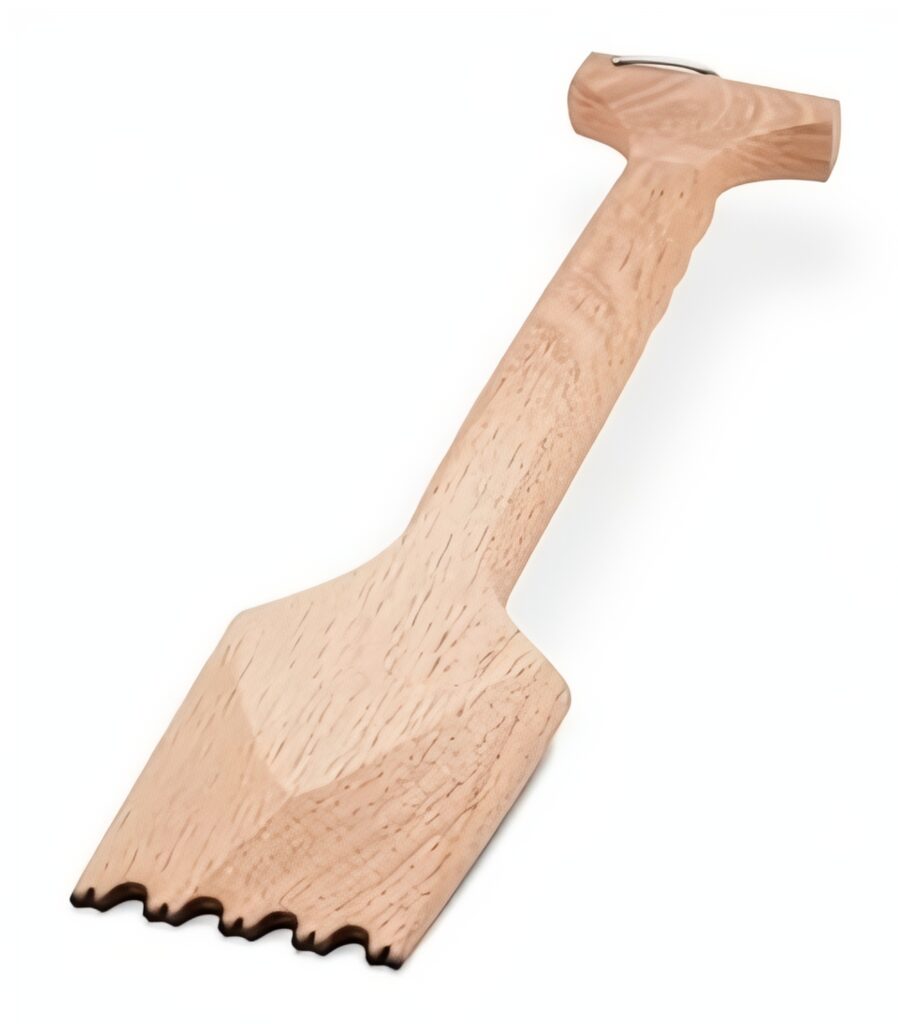
This option works especially well for routine cleaning on hot grates. You are not polishing the surface. You are knocking off food residue and carbon before it turns into a bigger job later. That makes a scraper a strong fit for people who grill often and clean while the grate is still warm.
The limitation is deep cleaning. A scraper usually will not get into tight corners or remove every bit of residue on a badly neglected grill. It is a maintenance tool more than a rescue tool.
2. Grill stones or pumice stones
If the grates are rough with carbon and grease, a grill stone can be very effective. These abrasive blocks wear down as you scrub, which helps them conform to the shape of the grate. They do a good job on heavy residue and are one of the better options when a simple scraper is not enough.
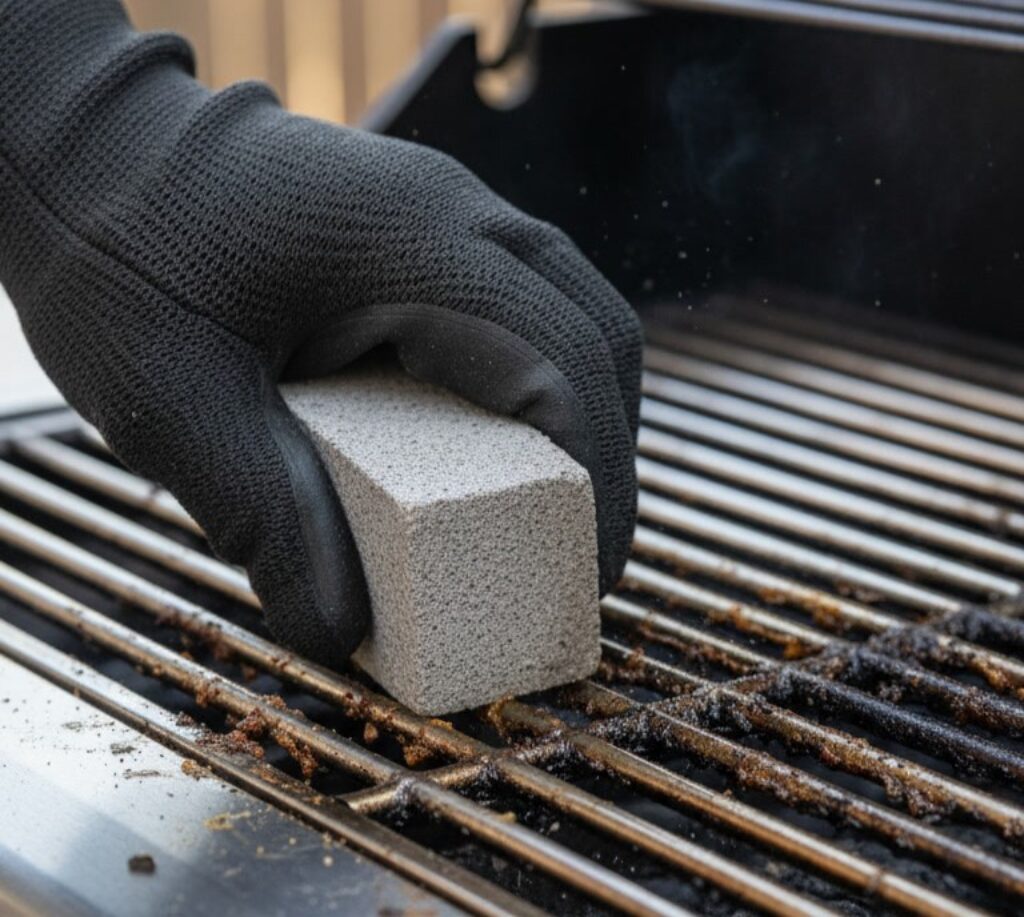
There is a catch. Abrasive cleaning always needs judgment. On durable stainless grates, a grill stone is usually a reasonable choice. On porcelain-coated grates, you need a lighter hand. Too much pressure can wear the finish over time, and once that coating is compromised, cleanup gets harder, not easier.
Grill stones are useful, but they are not an everyday answer for every grill owner. Think of them as a heavier-duty tool, not your only tool.
3. Steam cleaning with a damp cloth or towel
This method has been around forever because it works better than many people expect. With the grill hot, you use tongs to hold a damp folded cloth and run it across the grates. The steam helps loosen residue, and the cloth wipes it away.
Done carefully, this is one of the gentler grill brush alternatives. It is especially useful for regular maintenance after a cook when the mess is still fresh. It also avoids metal-on-metal scraping, which some owners prefer on porcelain-coated grates.
The obvious warning is heat. You need long tongs, a properly folded cloth, and common sense. If you are the kind of griller who rushes cleanup or uses short tools, skip this method. It is effective, but only if you handle it carefully.
4. Bristle-free coil brushes
If you still want a brush-like tool, bristle-free coil brushes are one of the more sensible compromises. Instead of individual wire bristles, they use tightly wound metal coils to scrub the grate surface. That reduces the loose-bristle problem that pushes many people away from standard grill brushes in the first place.
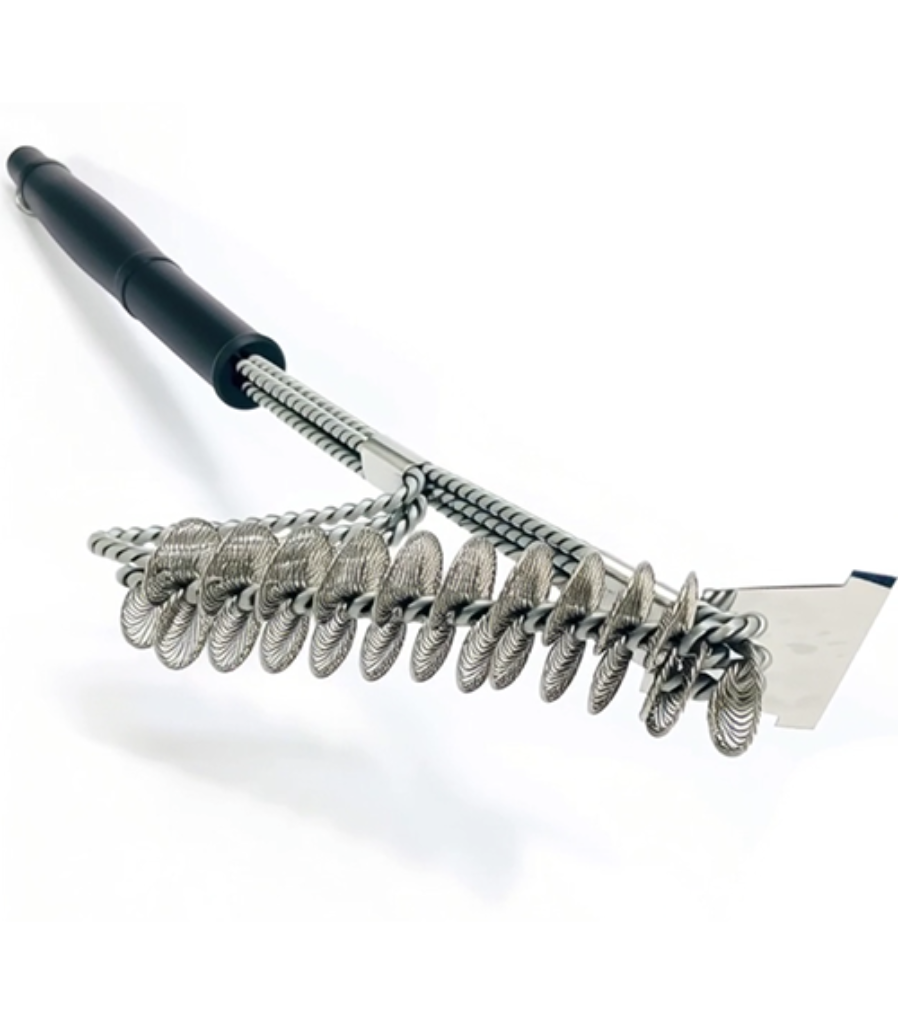
These can clean well on stainless and cast iron grates, especially for moderate residue. The feel is familiar, and that matters because tools that match existing habits tend to get used consistently.
Still, this is not a perfect category. Build quality matters a lot. A poorly made coil brush is still a poor tool, and some models are bulkier than they look, making them awkward on narrow grates or in corners. If you go this route, pay attention to construction, handle stability, and how the head contacts the grate.
5. Nylon grill cleaning brushes
Nylon brushes are another option for people who want a dedicated tool without exposed metal wires. These are generally designed for use on cool or warm surfaces, not ripping-hot grates. That is an important distinction. Use them the wrong way and you can melt the bristles or shorten the tool’s life fast.
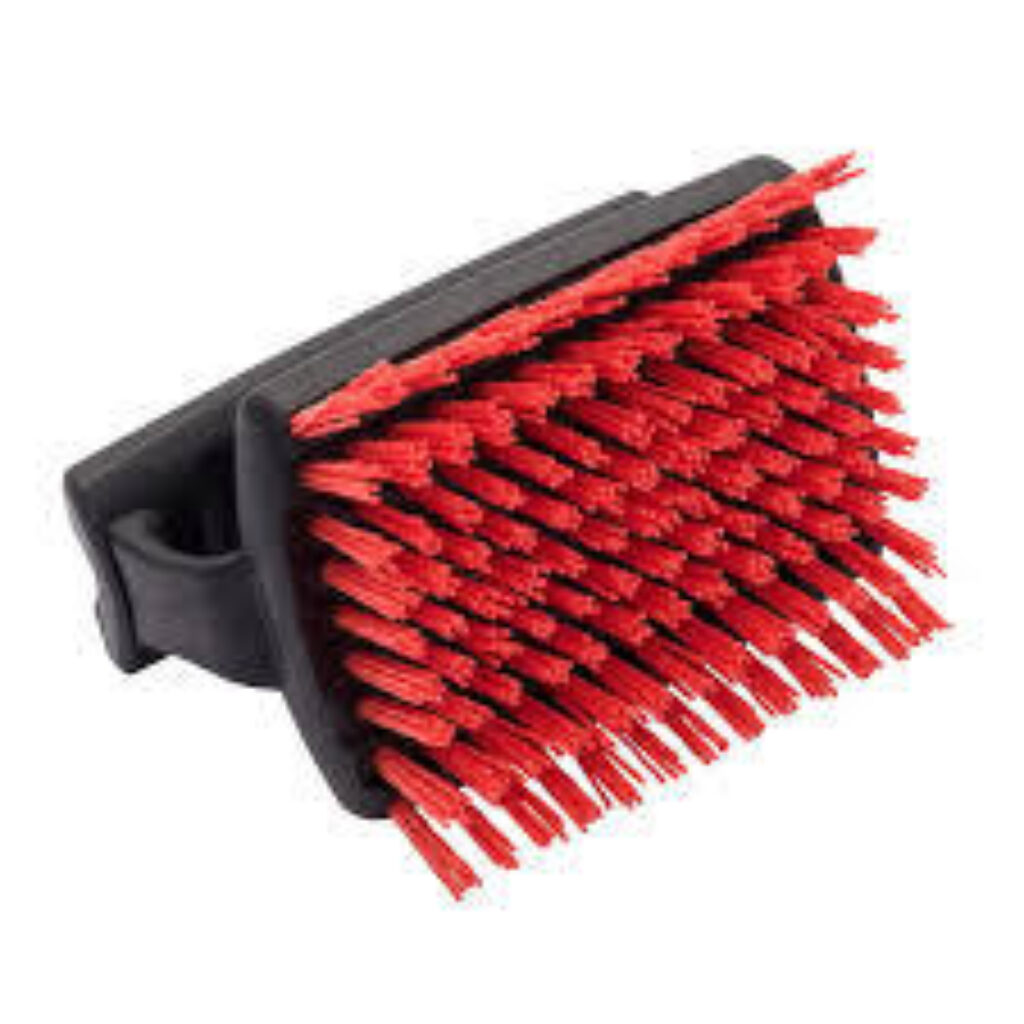
When used correctly, nylon brushes are decent for lighter cleaning and for owners who are trying to avoid more abrasive methods. They are often a better fit for people who clean after the grill has cooled rather than immediately after cooking.
The downside is straightforward: they are usually weaker against heavy carbon buildup. If your grill maintenance routine is inconsistent, nylon may feel underpowered. They are better for prevention than recovery.
6. Aluminum foil and tongs
This is the classic low-cost backup. Crumple a sheet of heavy-duty aluminum foil into a ball, grip it with long tongs, and scrub the grate while it is warm. It is not fancy, and it is not the best dedicated solution, but it can work surprisingly well for quick cleanup.
The reason this method sticks around is simple. Almost everyone already has foil and tongs. For occasional grillers who do not want another accessory cluttering the patio, that convenience matters.
But there are limits. Foil is inconsistent. It can tear, flatten out, and struggle with serious buildup. It is best treated as a temporary or occasional method, not your main cleaning system if you cook outdoors often.
7. A flat metal scraper or putty knife
For thick, stubborn carbon on strong metal grates, a flat scraper can do what softer tools cannot. It is direct, cheap, and effective when you need to break through layers of buildup.
This is also the easiest tool to misuse. On porcelain-coated grates, it can scratch or chip the surface if you get aggressive. Even on stainless steel, too much scraping pressure can leave marks. It is best reserved for tough spots and heavier neglect, not routine cleanup after every burger night.
How to choose the right grill brush alternatives
If your grates are stainless steel, you have the widest margin for trial and error. Scrapers, coil brushes, grill stones, and foil can all make sense depending on how much buildup you are dealing with. Stainless is generally more forgiving, though that does not mean it is damage-proof.
If your grates are cast iron, your main concern is preserving seasoning and preventing rust. A scraper or bristle-free coil brush is often a better fit than anything overly abrasive. After cleaning, drying and a light oiling matter just as much as the cleaning tool itself.
If your grates are porcelain-coated, be more cautious. This is where gentler methods usually win. Steam cleaning with a damp cloth, a carefully used scraper, or a nylon brush on a cooler surface is often safer than aggressive abrasion. Once the coating starts wearing away, maintenance gets harder and grate life usually gets shorter.
Your cooking habits matter too. If you grill three times a week, choose something easy enough to use every time. If you only grill occasionally and tend to let residue build up, keep a heavier-duty option around for those catch-up cleanings.
What matters more than the tool
Most grill-cleaning frustration comes from timing, not just tool choice. Cleaning right after cooking, when the grates are still hot or warm, makes almost every method work better. Waiting until grease hardens and carbon fully sets is how a five-minute cleanup turns into a scraping session nobody wants.
Preheating the grill before cleaning also helps. A few minutes of heat loosens residue and makes scrapers, stones, foil, and cloth methods much more effective. Then after cleaning, a light coat of oil on applicable grate types can reduce sticking on the next cook and slow down future buildup.
At Global Grill Guide, that is usually the bigger ownership lesson: the best cleaning tool is the one that matches your grate material and your actual habits. No hype. No miracle accessory. Just a method you will use consistently.
If you want the safest practical move, start with a grill scraper for routine cleaning and add a second tool for deeper messes. That simple two-tool approach covers most backyard grills without making maintenance harder than it needs to be.
Comparison Table
| Alternative | Best For | Safe for Stainless Steel | Safe for Cast Iron | Safe for Porcelain-Coated Grates | Cleaning Power | Best Use | Main Advantage | Main Drawback |
|---|---|---|---|---|---|---|---|---|
| Grill Scraper Tool (Wood or Composite) | Routine maintenance | ✅ | ✅ | ✅ | ★★★★☆ | Regular post-cook cleaning | No loose bristles, conforms to grate over time | Less effective on heavy carbon buildup |
| Grill Stone (Pumice Stone) | Deep cleaning | ✅ | ⚠️ | ⚠️ | ★★★★★ | Heavy grease and carbon removal | Excellent on stubborn residue | Can wear porcelain coating if used aggressively |
| Steam Cleaning (Damp Cloth + Long Tongs) | Gentle everyday cleaning | ✅ | ✅ | ✅ | ★★★☆☆ | Warm grill after cooking | No abrasive contact, inexpensive | Requires caution around hot surfaces |
| Bristle-Free Coil Brush | Everyday cleaning | ✅ | ✅ | ⚠️ | ★★★★☆ | Moderate buildup | Familiar brush feel without loose wire bristles | Quality varies between brands |
| Nylon Grill Brush | Light maintenance | ✅ | ✅ | ✅ | ★★☆☆☆ | Cool or warm grates | Gentle cleaning, no metal bristles | Cannot be used on very hot grates |
| Aluminum Foil + Tongs | Emergency or occasional cleaning | ✅ | ✅ | ⚠️ | ★★★☆☆ | Quick cleanup | Almost free, available everywhere | Inconsistent performance, wears out quickly |
| Flat Metal Scraper / Putty Knife | Heavy neglected buildup | ✅ | ✅ | ❌ | ★★★★★ | Spot cleaning stubborn carbon | Extremely effective on thick deposits | Can scratch or chip delicate grate coatings |
FAQ
What can I use instead of a grill brush?
Some of the best alternatives include a grill scraper, bristle-free coil brush, grill stone, steam cleaning with a damp cloth, nylon grill brush, aluminum foil with tongs, or a flat metal scraper for stubborn buildup. The best choice depends on your grill grate material and how dirty it is.
Are wire grill brushes safe?
Wire grill brushes can clean very effectively, but worn or damaged brushes may shed metal bristles that can remain on the cooking grate. Because of this, many grill owners now choose bristle-free brushes or grill scrapers as safer alternatives.
What is the safest grill cleaning tool?
A wooden or composite grill scraper is generally considered one of the safest options because it contains no loose wire bristles and naturally forms grooves that match your grill grates. Steam cleaning with a damp cloth is another gentle and safe method when performed carefully.
How do you clean grill grates without damaging them?
Use a cleaning method that matches your grate material. Stainless steel grates can tolerate more aggressive tools, while porcelain-coated grates should be cleaned with gentler methods such as steam cleaning, nylon brushes, or carefully used grill scrapers. Avoid excessive force regardless of the tool.
Which grill brush alternative removes heavy carbon buildup best?
For thick layers of burnt grease and carbon, a grill stone or a flat metal scraper is usually the most effective solution. These tools remove stubborn residue quickly but should be used with care on delicate porcelain-coated grates to avoid damaging the surface.