
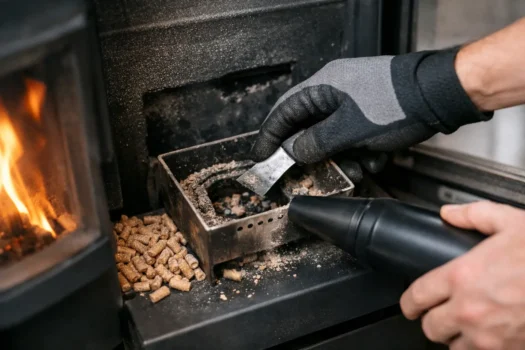
A pellet grill can look clean from the outside and still be one cook away from a rough startup, weak heat, or a burn-back issue. The usual culprit is ash packed into the burn pot. Knowing how to clean a pellet fire pot is basic ownership, not busywork. It directly affects ignition, temperature recovery, smoke quality, and how reliably your grill runs when dinner is on the line.
The good news is that the job is simple. The part that causes trouble is doing it too casually: vacuuming around the pot but leaving hardened ash inside, cleaning while embers are still alive, or putting the grill back together without checking the igniter. A few extra minutes done properly beats troubleshooting a grill that will not light.
How to Clean a Pellet Fire Pot Safely
Start only when the grill is completely cold. That means the shutdown cycle has finished, the grill has been unplugged, and there is no residual heat in the fire pot. Pellet grills can hold hot embers under ash longer than people expect. Never vacuum a warm grill or assume the fire is out because the fan has stopped.
Remove the cooking grates, grease tray, and heat diffuser or flame broiler assembly. Set the greasy parts aside on cardboard, a tray, or an old towel. You need open access to the fire pot, but this is also the right time to vacuum loose ash from the bottom of the cook chamber. Ash migrates farther than it looks, especially after several long cooks.
Use an ash vacuum or a shop vacuum with a clean filter intended for fine debris. A small nozzle gives you better control than a wide floor attachment. Vacuum the ash from inside the fire pot first, then clean the surrounding barrel, the area around the auger opening, and any ash collecting beneath the diffuser.
Do not rely on a household vacuum if you cook frequently. Fine ash can clog filters quickly, reduce suction, and make a mess when you empty the canister. An ash-specific vacuum is convenient, but a basic shop vacuum reserved for grill cleanup works well as long as the grill is cold and the filter is in good shape.
Scrape out packed ash and clinker buildup
A vacuum handles loose ash. It will not always remove the hard, crusty material stuck to the bottom or sides of the pot. That material is often called a clinker. It forms when ash, minerals in the pellets, grease vapor, and heat combine into a hard deposit.
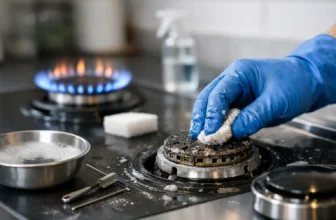
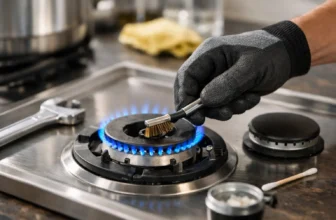
Use a small metal scraper, putty knife, or stiff wire brush to loosen it. Work carefully around the igniter rod, which sits in or near the base of the fire pot depending on the grill design. You are removing buildup, not trying to polish the metal bare. Once the deposit breaks loose, vacuum it out.
Check the air holes around the pot while you are there. These openings let combustion air reach the pellets. If ash blocks them, the grill can struggle to establish a clean fire, produce heavier smoke than normal, or swing temperatures more than it should. Clear clogged holes with a pick, small screwdriver, or stiff brush. Avoid drilling or enlarging them. Changing their size can affect airflow and is not a fix for poor maintenance.
Inspect the igniter before reassembly
With the ash removed, inspect the igniter rod. Look for heavy carbon buildup, damage, or an igniter that sits unusually far below the opening. A light brushing is fine. Do not bend it, pry against it, or soak it with cleaner.
You do not need to remove the igniter during routine cleaning. In fact, taking apart working components creates more opportunities for stripped screws, pinched wires, and poor reassembly. Remove it only if your grill manual calls for it or you are diagnosing a known ignition problem.
Also look into the auger tube opening. A little dust is normal. A mound of damp sawdust, swollen pellets, or dark residue is not. Damp pellets can break down in the auger and cause jams. If you see signs of moisture, deal with that before your next cook rather than hoping the grill will burn through it.
Reassemble and Run a Clean Startup
Put the heat diffuser, grease tray, and grates back in their proper positions. Make sure the grease tray is seated correctly and the grease channel is clear. A clean fire pot will not protect you from a grease fire caused by a tray full of old drippings.
Before cooking, run the grill through its normal startup sequence with the lid open if the manufacturer instructs you to do so. Listen for the fan and auger. Within a few minutes, you should hear pellets drop and see a clean flame establish in the pot. Once the flame is stable, close the lid and let the grill preheat.
A brief amount of white startup smoke is common. Thick smoke that lingers, a delayed flame, or pellets piling up without lighting points to a problem worth addressing. The cause may be a dirty pot, but it could also be poor pellets, a failed igniter, restricted airflow, or an auger issue. Cleaning is the first check, not the answer to every malfunction.
How Often Should You Clean the Fire Pot?
There is no honest one-size-fits-all schedule. The right interval depends on how much you cook, which pellets you burn, and how your grill is built. Some grills accumulate ash quickly in a small fire pot. Others have ash-cleanout systems that make routine maintenance easier, though they still need a full vacuuming from time to time.
For most backyard owners, cleaning the fire pot after every two to five cooking sessions is a sensible baseline. If you regularly run long brisket cooks, use the grill several times a week, or notice ash spilling beyond the pot, clean it more often. A quick high-heat burger cook leaves less ash than an overnight pork shoulder, so count cooking hours as well as sessions.
Pellet quality matters too. Clean, dry hardwood pellets generally leave less ash than bargain pellets with more fines, inconsistent composition, or poor storage history. That does not mean expensive pellets automatically perform better. It means you should pay attention to the ash your actual grill produces. If one brand consistently creates hard clinkers or excessive dust, switching pellets may save more aggravation than changing your cleaning routine.
A few signs tell you the fire pot needs attention now: slow ignition, unusually dirty smoke, flameouts, a loud rumbling startup, temperature swings, or pellets accumulating in the pot after a failed start. Do not keep restarting the grill with a pot full of unburned pellets. Shut it down, let it cool completely, remove the pellets and ash, then start fresh. Repeated restarts can create an oversized fire when the igniter finally catches.
Mistakes That Make Pellet Grill Cleaning Harder
The most common mistake is cleaning only what is easy to see. Ash under the grease tray and inside the pot matters more than a spotless lid. Focus first on the places that affect airflow and combustion.
Another mistake is using water or degreaser in the fire pot. The pot is not a cast-iron skillet. Moisture turns ash into paste, encourages rust, and can damage the igniter. Keep routine fire-pot cleaning dry. If a part has grease baked onto it, remove that part from the grill and clean it separately according to the manufacturer instructions.
Finally, do not wait for a problem before doing maintenance. A pellet grill is convenient because its controller, fan, auger, and igniter manage the fire for you. That convenience depends on clean airflow. Neglecting the fire pot turns a predictable cooker into a machine that may fail at the least convenient time.
A clean burn pot is not glamorous, but it is one of the cheapest ways to protect the performance you paid for. Make it part of your post-cook routine, and your next cook is far more likely to begin with steady heat instead of a troubleshooting session.