 globalgrillguidecom
A steak going from perfect sear to scorched in 20 seconds usually is not bad luck. It is usually grease, too much heat, or a grill setup working against you. If you want to learn how to stop grill flare ups, the fix is rarely complicated, but it does require paying attention to fuel, airflow, and cleanup.
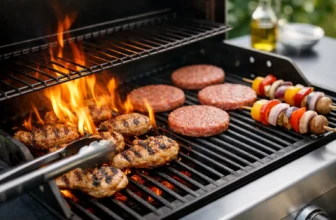
Flare-ups happen when fat, oil, or sugary marinade hits a hot surface or open flame and ignites. A small burst is normal on many grills. A sustained flare-up that blackens food, leaves bitter smoke, and forces you to keep moving dinner out of danger is not. That kind of fire is usually a sign that the grill is dirty, overloaded, or running hotter than the food needs.
Table of Contents
What actually causes grill flare-ups
Most flare-ups start with rendered fat. Burgers, ribeyes, chicken thighs, and skin-on cuts all drip as they cook. On a gas grill, those drippings can hit burner covers, heat tents, or direct flame if the system is overwhelmed or poorly designed. On a charcoal grill, fat can drop straight onto the coals and ignite fast.
The second cause is excess oil or heavy marinade. People often brush food and grates with more oil than necessary, thinking it prevents sticking. Sometimes it does the opposite by creating extra fuel. Sweet sauces are another problem. Sugar burns quickly, and once it starts charring, it can help a small flare become a constant one.
Then there is simple heat management. If every burner is on high, or the entire charcoal bed is packed directly under the food, you leave yourself no margin for error. That may work for a thin steak for a minute or two. It is a poor setup for fattier proteins or longer cooks.
How to stop grill flare ups before food hits the grate
The easiest way to control flare-ups is to prevent them before preheating is done. Start with a clean cook box and clean grates. If old grease is sitting under the burners or along the bottom tray, you are not cooking over a grill anymore. You are cooking over a grease reservoir waiting for fresh heat.
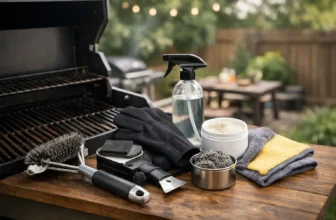
Scrape the grates after each cook and deep-clean the inside regularly. On gas grills, check the grease tray, drip pan, and burner covers. On charcoal grills, clear out ash and old debris so airflow stays predictable and old drippings are not reigniting. Maintenance is not glamorous, but it matters more than most accessories.
You also want to trim what you reasonably can. You do not need to butcher every steak into something lean and joyless, but large hanging pieces of fat on chicken or beef often create more fire than flavor. Trimming excess fat reduces drips without ruining the cut.
Finally, stop soaking food in oil. A light coating is plenty. If the grill is properly preheated and the grates are clean, food is less likely to stick than many people assume.
Set up the grill for control, not maximum heat
If you are wondering how to stop grill flare ups consistently, this is the section that makes the biggest difference. Most backyard flare-up problems are setup problems.
On a gas grill, use zones
Not every burner needs to run on high. Preheat the grill, then reduce at least one side to medium or low, or turn one burner off completely. That gives you a safe zone to move food when fat starts rendering faster than expected.
This matters even more on lower-end gas grills with uneven heat or weak grease management. Some grills have excellent burner protection and drip systems. Some do not. Real ownership means adjusting for the equipment you actually have, not the one the marketing promised.
On a charcoal grill, bank the coals
A full wall-to-wall charcoal bed is asking for trouble with fatty food. Instead, create a two-zone fire with coals banked to one side and an open cooler zone on the other. Sear over the hot side, then move the food away from direct heat if flames jump up.
This setup also gives you better doneness control. You are not forced to choose between raw in the middle and burnt on the outside.
The right way to handle flare-ups while cooking
When flames rise, a lot of people make the problem worse. They press burgers, leave the lid open too long, or keep flipping in a panic. Pressing meat squeezes out more fat. Leaving the lid open on some grills can feed the fire with oxygen. Constant movement keeps you from cooking with any control.
The first move is simple. Relocate the food to a cooler zone. If you built zones correctly, this is easy. On a gas grill, lower the burners under that section or turn one off. On charcoal, shift the food to the side without coals.
If the flare is brief, let it pass. If it is sustained, you likely have too much dripping fat for the current heat level. Reduce heat and cook more gently for a few minutes. That usually solves it.
Keep the lid strategy sensible. Closing the lid can help on some gas grills by reducing oxygen and stabilizing heat. On charcoal, it can also calm a small flare if vents are not wide open. But if grease is actively pooling and burning, lid position alone will not fix it. The bigger correction is moving the food and reducing the heat source.
Foods that need extra attention
Some foods are simply flare-up magnets. Burgers with high fat content, ribeyes, sausages, chicken thighs, wings, and skin-on drumsticks all deserve more caution than a pork tenderloin or a lean fish fillet.
That does not mean you should avoid them. It means you should cook them with spacing, zones, and realistic heat. If six fatty burgers are packed shoulder to shoulder over full high heat, the rendered fat has nowhere to go except into fire. Give food room. Overcrowding traps grease and makes flare-ups more frequent.
Sauced meats need restraint too. If you are grilling with barbecue sauce, glaze late in the cook instead of from the start. Let the meat get close to done first, then brush on sauce over lower heat. That keeps sugar from burning before the food is ready.
When flare-ups point to a grill problem
Sometimes the issue is not technique. It is the grill.
Gas grills with poor burner shielding, thin heat tents, or weak grease drainage are more likely to flare aggressively. If grease collects in the wrong places, you will fight recurring fire no matter how carefully you cook. The same goes for grills with severe hot spots. A burner that runs much hotter than the rest can create a flare-up zone you keep revisiting.
Charcoal grills can cause trouble too if the grate sits too close to the coals or if airflow is hard to regulate. Some compact models are great for searing but less forgiving for fatty proteins because there is not enough distance between food and fire.
This is where equipment quality actually matters. Not because expensive always means better, but because good heat control and sensible grease management make ownership easier. Global Grill Guide looks at those details for exactly this reason. A grill that cooks well only under ideal conditions is not really cooking well.
What not to do
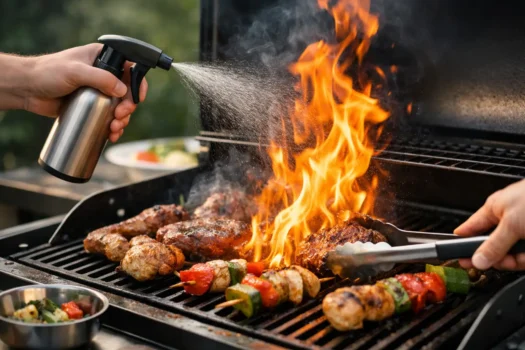
Do not spray water onto a grease flare-up. On a charcoal grill, that can send ash onto the food and create a mess. On a gas grill, it can spread grease and steam back at you. It is also a poor habit from a safety standpoint.
Do not line the entire grill with foil to catch drips unless the manufacturer explicitly allows for a specific use. People do this thinking it makes cleanup easier, but it often blocks airflow and grease drainage, which can make flare-ups worse, not better.
And do not confuse charring with proper grilling. A little flame contact is not always harmful, but repeated flare-ups leave bitter compounds on the food and cover up the flavor you were trying to build.
Build a routine that keeps flare-ups rare
The most reliable answer to how to stop grill flare ups is routine, not a trick. Preheat fully, clean the grates, empty the grease tray, use moderate oil, trim obvious excess fat, and set up a cooler zone every time. Those habits work across gas and charcoal because they address the actual causes.
If flare-ups still happen often, pay attention to patterns. Is it only with certain foods, only on one side of the grill, or only after several cooks without cleaning? That tells you whether the issue is food choice, heat setup, or equipment design.
A good grill should make cooking easier, but even the best one will punish sloppy heat management. Build for control first. The sear will still be there, and dinner has a much better chance of making it to the table without tasting like a grease fire.
Quick Summary
| Topic | Key Takeaway |
|---|---|
| Main cause of flare-ups | Burning grease, excess oil, sugary marinades, and overly high heat are the primary triggers. |
| Prevention starts before cooking | Clean grates, empty grease trays, remove old grease, and preheat the grill properly. |
| Trim excess fat | Remove large hanging fat deposits to reduce dripping without sacrificing flavor. |
| Use less oil | Apply only a light coating of oil—excess oil becomes additional fuel for flames. |
| Create heat zones | Always set up direct and indirect cooking zones on both gas and charcoal grills. |
| Gas grill strategy | Reduce or turn off one burner after preheating to create a safe cooler zone. |
| Charcoal grill strategy | Bank coals to one side for two-zone cooking instead of spreading them evenly. |
| During a flare-up | Move food to the cooler zone, lower the heat, and let flames subside naturally. |
| High-risk foods | Burgers, ribeye steaks, sausages, chicken thighs, wings, and other fatty cuts require extra attention. |
| BBQ sauce timing | Apply sugary sauces near the end of cooking to prevent burning. |
| When the grill is the problem | Poor grease management, weak burner shields, hot spots, or improper airflow can cause recurring flare-ups. |
| Avoid these mistakes | Never spray water on grease fires, don’t cover the grill with foil unless approved, and don’t mistake excessive charring for proper grilling. |
| Best long-term habit | Regular cleaning, moderate heat, proper food spacing, and two-zone cooking prevent most flare-ups. |
FAQ – How to Stop Grill Flare Ups for Good
Why does my grill keep flaring up?
The most common causes are accumulated grease, fatty foods dripping onto the heat source, excessive cooking oil, sugary marinades, and cooking over heat that is too high.
How do I stop flare-ups on a gas grill?
Create two heat zones by lowering or turning off one burner after preheating. Keep grease trays clean, trim excess fat from meat, and move food to the cooler side whenever flames appear.
Should I spray water on grill flare-ups?
No. Water can spread burning grease, create dangerous steam, and blow ash onto food in charcoal grills. It’s safer to move the food away from direct heat and reduce the flame source.
What foods cause the biggest grill flare-ups?
High-fat foods such as burgers, ribeye steaks, sausages, chicken thighs, wings, and skin-on poultry create the most flare-ups because rendered fat drips onto the heat source.
How can I prevent grill flare-ups before cooking starts?
Clean the cooking grates and grease tray, remove excess fat from meat, use only a light coating of oil, preheat the grill properly, and always cook with direct and indirect heat zones available.