
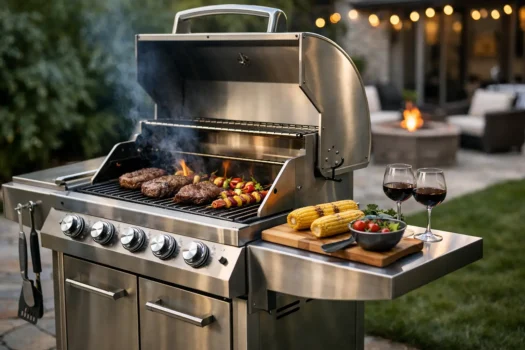
A shiny grill can make a cheap cart model look like a serious piece of outdoor equipment. That is why asking, “is stainless grill body worth it,” requires a closer look than the finish alone. Stainless steel can be a worthwhile upgrade, but only when the grade, thickness, frame design, and the rest of the grill are good enough to support the price.
For many backyard cooks, stainless is not about appearance. It is about avoiding a grill body that flakes, rusts through, or starts looking tired after a few wet seasons. But stainless is not magic, and plenty of grills use just enough of it to justify a label while leaving the parts that matter most made from thinner, lower-cost steel.
Is a stainless grill body worth it?
A stainless grill body is worth paying for when you grill often, keep the grill outdoors, and expect it to last beyond a few years. It is especially valuable on gas grills, where a rusted lid, cookbox, or cabinet can turn an otherwise functional burner system into a frustrating ownership problem.
The benefit is less compelling if you grill occasionally, store the unit in a garage, or are buying an entry-level grill for a temporary space. In those cases, a well-built porcelain-coated steel grill may provide better cooking performance per dollar than a bargain stainless model.
The key distinction is this: stainless steel improves corrosion resistance, but it does not automatically improve heat control, burner performance, or structural strength. A thin stainless lid can discolor and warp. A stainless cabinet can still have weak doors, flimsy wheels, and exposed fasteners that rust first. Do not let one material claim make the buying decision for you.
Stainless grades matter more than the shine
Manufacturers often say “stainless steel” without identifying the grade. That should make you cautious. Not every stainless alloy handles heat, grease, salt, and rain equally well.
304 stainless is the better long-term choice
304 stainless steel is commonly considered the better material for grill exteriors, lids, cooking grates, and major structural components. It contains more nickel than lower grades, which helps it resist corrosion in ordinary outdoor conditions. It is not rust-proof, particularly near the coast or around pool chemicals, but it holds up well when cleaned and covered properly.
If a manufacturer clearly states that the firebox, lid, grates, or burner components use 304 stainless, that is meaningful information. It suggests the company is willing to specify what you are getting rather than relying on a polished finish as a selling point.
430 stainless is common, but it has limits
430 stainless is less expensive and magnetic. It is often used for cabinet panels, shelves, doors, and decorative trim. It can look good when new and may serve adequately in a dry climate, but it is generally less corrosion-resistant than 304.
That does not make 430 an automatic deal-breaker. It is reasonable for non-critical exterior panels on a value-oriented grill. It is less reassuring when it is used for the lid, firebox, heat diffusers, or other parts that face high heat, grease, and moisture.
If the seller will not identify the grade, assume you are not buying premium stainless. That may still be acceptable at the right price. Just do not pay a premium based on appearance alone.
Look beyond the grill body
A grill can have a stainless body and still fail early in the places that count. Long-term durability comes from the whole construction, not the most visible panels.
Start with the cookbox or firebox. On a gas grill, this area contains the burners, heat deflectors, grease, and repeated heat cycles. A solid cast aluminum cookbox can be just as durable, and sometimes more practical, than thin stainless steel. Cast aluminum will not rust, though it can corrode and crack if neglected or poorly made.
Then inspect the lid. A heavier lid holds heat more consistently and is less likely to flex. Open it with one hand. If it twists, rattles, or feels like a thin sheet-metal shell, stainless will not fix that problem.
Burners deserve equal attention. Stainless tube burners vary widely in wall thickness and design. A grill with solid burners and a durable firebox is usually a better investment than one with a flashy stainless cabinet and weak internal components. Heat diffusers, flame tamers, and grease trays also wear out over time, so check whether replacements are available and reasonably priced.
Finally, examine the cart. Door alignment, shelf supports, caster mounts, and hardware tell you a lot about the grill’s real build quality. Rust commonly begins around screws, seams, unpainted edges, and areas where water gets trapped. Those details matter more than a polished front panel.
When stainless is a smart upgrade
Stainless makes the most sense for buyers who want a grill to remain serviceable for seven to ten years or longer. It is a practical choice if the grill lives on a patio year-round, especially in regions with rain, humidity, snow, or big temperature swings.
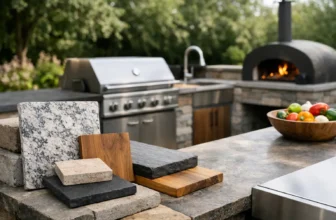
It is also a good fit for people building a permanent outdoor cooking area. A grill that sits beside stone, cabinetry, and utility connections is more expensive and annoying to replace than a basic freestanding cart grill. Paying more for better materials is easier to justify when the grill is part of a longer-term setup.
Frequent cooks benefit, too. If you run several meals a week through a gas grill, the lid, grates, burners, and firebox face a lot more abuse than they do on a grill used a dozen times each summer. Better stainless components can reduce cosmetic deterioration and slow the corrosion that eventually causes parts to fail.
When it is not worth the extra money
Do not stretch your budget for stainless if doing so forces you into a grill with weaker burners, less cooking space, poor temperature control, or a short parts warranty. Cooking performance comes first. A modest grill that heats evenly and has available replacement parts will serve most households better than a thin stainless model built to impress on the showroom floor.
Stainless is also less valuable if you can store the grill under cover between uses. A porcelain-coated steel grill kept dry and cleaned regularly can last a long time. For apartment balconies, seasonal cabins, or renters who may move soon, the extra upfront cost may not pay back.
Coastal buyers need to be particularly realistic. Salt air attacks many metals, including stainless. Near the ocean, 304 stainless is preferable to lower grades, but it still needs regular washing. A cover helps keep off dirt and rain, but it can also trap salty moisture if the grill is put away damp.
How to judge a stainless grill in person
You do not need a metallurgy lab to spot the difference between meaningful stainless construction and marketing-grade stainless. Check the specification sheet first, then inspect the grill with a critical eye.
Look for these four signs of a better stainless grill:
- The manufacturer identifies 304 stainless on major components rather than simply saying “stainless steel construction.”
- The lid, firebox, and shelves feel thick, rigid, and well supported when you open, close, and press on them.
- Seams, corners, handles, hinges, and caster mounts look finished and protected instead of relying on exposed hardware.
- Replacement burners, grates, heat diffusers, ignition parts, and grease trays are available without hunting for discontinued parts.
A magnet can offer a small clue, but do not treat it as a final test. 430 stainless is magnetic, while 304 is typically not, yet a magnet’s behavior can vary by component and manufacturing process. Published material specifications are more useful than a parking-lot magnet test.
Also pay attention to the warranty language. A long warranty on stainless parts is encouraging, but read what it actually covers. Rust-through protection is different from coverage for stains, discoloration, surface corrosion, labor, or damage caused by coastal exposure. The warranty tells you what the manufacturer expects to survive, not necessarily what will look new after five years.
Stainless still needs maintenance
The biggest mistake buyers make is treating stainless as maintenance-free. Grease, ash, fertilizer dust, salt, and standing water all shorten its life. Regular cleaning is not cosmetic work. It prevents corrosion from getting established at seams and around hot, greasy areas.
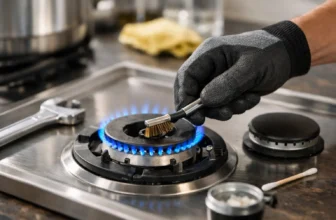
Use mild soap, water, and a soft cloth for routine exterior cleaning. Wipe in the direction of the grain if the finish is brushed. Avoid harsh chlorine cleaners, aggressive steel wool, and leaving acidic food residue on surfaces. Empty the grease tray often, brush debris from burner areas, and let the grill dry before covering it.
A cover is worthwhile, but it is not a substitute for cleaning. Choose one that fits without sealing in moisture, and remove it periodically so condensation does not sit against the grill body.
The right question is not whether stainless looks better on day one. It is whether the specific grill uses quality stainless where heat, weather, and grease do the most damage. Buy that version when the construction supports the price. Otherwise, spend your money on better burners, a stronger cookbox, and a grill you will actually enjoy using.