 globalgrillguidecom
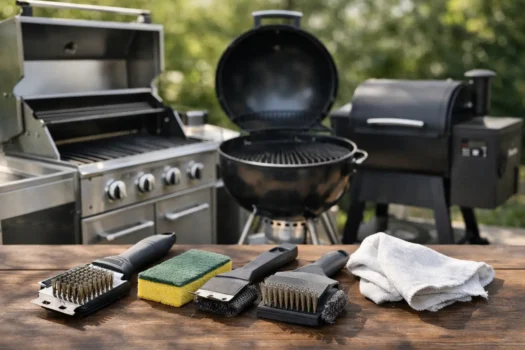
You usually find out which grill is easiest to clean about 20 minutes after dinner, when the food is gone, the grates are crusted over, and nobody feels like dealing with grease and ash. That is when marketing claims stop mattering. Cleanability comes down to simple ownership reality: how much mess the grill creates, how accessible the dirty parts are, and how often deep cleaning becomes unavoidable.
The short answer is this: for most home cooks, a gas grill is the easiest grill to clean. Not every gas grill, and not in every situation, but as a category it asks for less effort than charcoal and less finicky maintenance than pellet grills. Electric grills can be even easier in some cases, but they are a different product class with clear cooking limitations. If you want the cleanest ownership experience without giving up traditional backyard grilling, gas is the most practical answer.
Which grill is easiest to clean in real use?
If your goal is low-mess, low-hassle cleanup after normal weeknight cooking, gas wins. You preheat it, brush the grates, cook, burn off residue for a few minutes, and brush again. Grease management is usually straightforward if the grill has a decent drip system and removable tray. There is no ash to dump, no charcoal dust blowing around, and no pellet sawdust collecting in corners.
That does not mean every gas grill stays easy. Poorly designed grease channels clog. Cheap fireboxes trap debris in hard-to-reach seams. Heavy cast iron grates need more care than stainless steel. But in a fair comparison of major fuel types, gas gives you the best balance of easy cooking and easy cleanup.
Why gas grills usually come out on top
The biggest reason is simple: gas burns cleanly compared with charcoal, and it leaves behind less solid waste than pellet fuel. Most of the mess is grease and food residue, both of which are manageable when the grill is designed well.
A good gas grill makes routine cleaning almost automatic. High heat loosens stuck-on debris. Flavorizer bars or heat tents shield the burners and catch drippings. A removable grease tray gives grease somewhere to go instead of letting it bake into the body of the grill. If the grates are stainless steel and the firebox is open enough to reach with a scraper, cleanup stays reasonable even with frequent use.
There is also less recovery work after neglected maintenance. On a charcoal grill, one missed ash cleanup can turn into airflow issues and grimy buildup. On a pellet grill, skipped vacuuming can affect ignition and performance. A gas grill is more forgiving if you are not perfect about upkeep.
The easiest gas grills to clean
Within the gas category, simple cart-style propane grills with removable grease trays are usually the easiest. Two-burner and three-burner models tend to be less annoying than oversized six-burner grills because there is less surface area, fewer burner covers, and fewer corners where grease can collect.
Stainless steel rod grates are the low-maintenance choice. Porcelain-coated cast iron grates cook well and hold heat nicely, but once the coating chips, cleanup gets harder and rust becomes a concern. Flat-top inserts, sear plates, rotisserie back burners, and side burners all add features, but they also add places to clean.
If easy ownership matters more than maximum features, simpler usually wins.
Where pellet grills fit
Pellet grills are often easier to clean than charcoal grills, but harder to clean than gas grills. They produce less chaotic mess than lump charcoal or briquettes, yet they still create ash and require more internal maintenance than many buyers expect.
After a few cooks, you are not just brushing grates. You are usually dealing with a grease bucket, heat diffuser, drip tray, fire pot ash, and the fine dust that settles around the bottom of the cook chamber. Many pellet grills also need periodic vacuuming to keep ash from building up near the fire pot. That is not difficult, but it is another step, and it matters for reliable operation.
This is where hype gets people. Pellet grills are marketed as easy because they automate temperature control. That is true for cooking. It is not fully true for cleaning. They are easier to run than traditional charcoal, but the cleanup routine is more involved than a decent gas grill.
Pellet grills can still be manageable
If you want wood-fired flavor and care about cleanup, look for a pellet grill with an accessible fire pot, a clean grease path, and easy-to-remove internal components. Some models include ash cleanout systems, which help. Wide, foil-friendly drip trays also make a difference.
Even then, expect more hands-on maintenance than gas. Pellet grills reward owners who are consistent. They are not ideal for someone who wants to cook, shut the lid, and ignore maintenance for weeks.
Charcoal grills are the messiest option
If you are asking strictly which grill is easiest to clean, charcoal is last for most buyers. That is not a knock on charcoal cooking quality. It is a cleanup reality.
Charcoal creates ash, soot, half-burned fuel, and greasy residue. Ash gets everywhere if you are not careful, especially with lighter kettles and cheaper ash systems. Grease mixes with smoke residue and creates a sticky layer inside the bowl or body. Air vents, charcoal grates, ash pans, and lower dampers all need occasional attention. None of it is hard in isolation, but it adds up.
Kettle grills with enclosed ash catchers are the least painful version of charcoal ownership. Kamado grills can also be fairly tidy because they contain ash well, but scraping out old charcoal and ash from the firebox is still more work than emptying a grease tray on a gas grill. Offset smokers and charcoal cabinets are even more demanding once grease and soot start building up.
Why people still choose charcoal
Because the flavor and cooking style can be worth the extra mess. If you love live-fire cooking, easy cleanup may not be your top priority. That is a fair trade-off. But if maintenance is a deciding factor, charcoal is not the sensible pick.
Electric grills are easy to clean, with a catch
Electric grills can be the easiest of all to clean, especially indoor or compact outdoor models with removable nonstick plates or dishwasher-safe components. There is no ash, no grease management system as complex as a full-size gas grill, and usually less heat-baked residue.
The catch is performance. Most electric grills do not deliver the same heat, capacity, or outdoor cooking feel as gas or charcoal. For apartment dwellers or buyers with strict space and fuel limitations, they can be a smart choice. For someone shopping for a true backyard grill, they are usually a compromise.
So yes, electric may win on pure cleanup. But for the average US homeowner choosing among serious outdoor grill types, gas is still the better answer.
What actually makes a grill easy or hard to clean
Fuel type matters, but design matters almost as much. A well-designed pellet grill can be less frustrating than a badly designed gas grill. A basic charcoal kettle with a good ash catcher can be easier to live with than a cheap gas model that sends grease into random corners.
The biggest factors are grate material, grease handling, interior access, and how many removable parts the grill has. Stainless steel grates are generally easiest to brush clean. Porcelain-coated surfaces are easy until they chip. Cast iron holds heat well but needs more care. Open interiors with removable trays are better than cramped fireboxes with fixed components.
You should also think about scale. Bigger grills are rarely easier to clean. More burners, more grate area, and more accessories mean more brushing, more scraping, and more grease.
The best choice for different buyers
If you want the easiest all-around grill to own, buy a mid-size gas grill with stainless steel grates and a removable grease tray. That setup gives most people the lowest cleanup burden without sacrificing grilling performance.
If you want the absolute easiest cleanup and can accept lower heat and a smaller cooking experience, electric is the cleanest option. If you want wood-fired flavor and are willing to vacuum ash and manage grease trays, pellet is the middle ground. If you want classic live-fire flavor and cleanup is secondary, charcoal still earns its place.
At Global Grill Guide, this is where we push back on shallow rankings. The easiest grill to clean is not automatically the best grill for everyone. It depends on what kind of mess you are willing to tolerate and what kind of cooking you want in return.
Which grill is easiest to clean for most homeowners?
For most homeowners shopping for a dependable backyard grill, the answer is a straightforward gas grill. It is the least demanding option that still feels like real outdoor cooking. You get quick preheat, easy post-cook burnoff, and no ash cleanup. As long as the grill has a sensible grease management system and accessible internals, maintenance stays manageable over the long haul.
If you are comparing grills in a store or reading reviews, pay less attention to polished lids and feature overload. Look underneath. Check how grease drains, how trays remove, how easy it is to reach the burners and firebox, and whether the grates are something you will actually want to scrub after a long Saturday cook.
The right grill is the one you will keep using, and a grill that is miserable to clean has a way of turning great cooking plans into leftovers and takeout.