
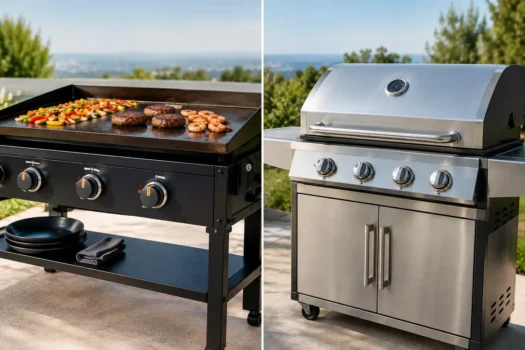
A flat top comparison is not really about whether one cooker is better than another. It is about what you want dinner to look like on a busy weeknight, how much cleanup you will tolerate, and whether you value open-flame flavor more than a large, even cooking surface. A flat top griddle can turn out a full breakfast or a pile of burgers fast. A gas grill gives you more versatility with less grease management. Neither solves every backyard cooking job.
For many buyers, the mistake is treating a flat top as a replacement for every other grill. It can replace a gas grill for some households, especially those who cook burgers, tacos, stir-fry, breakfast, and sandwiches often. But if your idea of grilling means chicken quarters, thick steaks, ribs, and indirect cooking, the open grate still has real advantages.
What a Flat Top Comparison Should Measure
Manufacturer specs tell you burner count, BTUs, and square inches. Those numbers matter, but they do not explain how the cooker behaves when six burgers are rendering fat, the wind picks up, and you need the onions ready before the buns burn. A useful comparison starts with cooking performance, then looks at the ownership work that follows.
The practical questions are straightforward: How evenly does it heat? Can it handle greasy food without flare-ups? Does it produce the finish you want? How difficult is it to clean after a normal cook? Will you actually use it often enough to justify the patio space and maintenance?
A flat top is a solid steel cooking plate heated from below. Food sits directly on that surface, so juices, fat, and small ingredients stay in the cooking zone. A gas grill uses grates over burners, usually with flavorizer bars or heat tents to manage drippings and protect the burners. That basic difference changes nearly everything about the cooking experience.
Flat Top Griddle vs. Gas Grill Cooking Results
A flat top wins at contact cooking
A griddle gives food broad, direct contact with hot steel. That makes it exceptionally good at smash burgers, bacon, eggs, pancakes, fried rice, cheesesteaks, fajitas, vegetables, and chopped chicken. You can move food around without losing pieces through the grates, and you can cook several components at once.
The surface also makes timing easier when cooking for a group. Eggs can stay at a lower setting on one side while sausage browns in the center and hash browns crisp on the hotter side. On a gas grill, that same breakfast is possible only with separate pans or accessories, and it is usually more awkward.
A flat top is especially useful for people who regularly cook foods that benefit from a bit of steam and rendered fat. Onions soften instead of falling into the fire. Burger juices stay close to the patty rather than dripping away. That creates excellent browning and a diner-style result.
The trade-off is that a flat top does not produce true grill marks or the same open-flame character. You can build a hard sear on a steak, but you will not get the same fat-drip flare and smoke that some people associate with backyard grilling. For many meals, that does not matter. For a steak-focused cook, it may.
A gas grill handles shape and indirect heat better
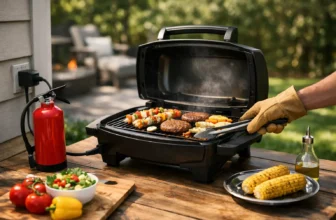
Gas grills are more forgiving with larger cuts and irregular foods. Chicken legs, bone-in pork chops, whole fish, kabobs, thick steaks, and racks of ribs all sit naturally on grates. Drippings fall below the food, which keeps the cooking surface less crowded and helps prevent food from sitting in pooled grease.
The bigger advantage is indirect cooking. With multiple burners, you can run one side hot and leave the other side off or low. That lets chicken finish without scorching, gives thick pork chops time to cook through, and makes a gas grill more useful for roasting. A hooded flat top can do some of this work, but its solid surface is still designed primarily for direct cooking.
Gas grills are also the better choice if you use cookware outdoors. A cast-iron skillet, roasting pan, pizza stone, or grill-safe Dutch oven all work well under a lid. A flat top can hold cookware, but you are giving up a good portion of the surface that made you buy it.
Heat Control Is More Than Burner Output
A good flat top should create distinct heat zones. You want enough power to sear at the center without forcing the entire plate into one blazing-hot area. Lower-quality models often have pronounced hot spots above the burners and cooler edges that become frustrating when you are trying to cook evenly for a crowd.
Thick steel helps. It takes longer to preheat, but it stores heat better when cold food hits the surface. Thin plates heat quickly and can work well for lighter cooking, yet they tend to lose temperature during large batches. That matters most when you load the griddle with burgers or vegetables straight from the refrigerator.
Gas grills have their own heat-control issues. Burner adjustment is generally more immediate, but grate temperatures can vary sharply from front to back and over individual burners. A grill with strong construction and a properly designed firebox usually offers more predictable results than a cheap model with impressive-looking BTU claims.
In both categories, lid thermometers are only rough references. An inexpensive infrared thermometer is more useful for checking a griddle surface. On a gas grill, learn the hot zones through actual cooks instead of assuming every grate position runs the same.
Cleanup and Maintenance: The Part Ads Skip
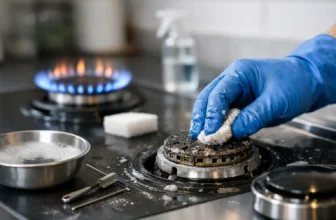
Flat tops are easy to clean during cooking. Scrape food residue and grease toward the grease channel, add a small amount of water if needed, scrape again, and wipe down the surface. For a normal burger or breakfast cook, this can be faster than brushing grates.
But ownership is more demanding than many first-time buyers expect. Bare rolled steel needs seasoning and protection from moisture. Leave grease, food debris, or standing water on the plate, and rust can develop. A cover helps, but a covered griddle can still collect condensation. If you live in a humid, rainy, or coastal area, expect to stay on top of surface care.
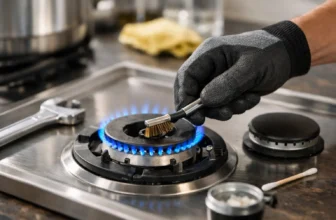
Gas grills require periodic grate cleaning, grease-tray emptying, burner inspection, and deeper firebox cleanup. The work is less frequent after each cook, but grease buildup below the grates can become a flare-up and fire risk when ignored. Stainless grates and coated cast-iron grates have different care needs, but neither is maintenance-free.
If you want the lowest-effort routine, a gas grill usually has the edge. If you do not mind a quick scrape and light oiling after cooking, a flat top is manageable. The wrong choice is buying a griddle because it looks easy, then treating it like a stainless-steel appliance that can be neglected for months.
Capacity and Space in a Real Backyard
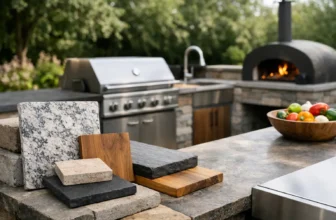
Flat tops make efficient use of cooking area because the whole plate is usable. A 36-inch model can feed a large group quickly, but it is also a substantial piece of equipment. It needs a stable location, room for spatulas and trays, and clearance for the grease system. Moving one in and out of a shed is possible, but it gets old fast.
A gas grill uses its vertical space better. Warming racks, upper grates, and a closed lid give it more flexibility in a smaller footprint. It can cook burgers on the main grate while buns warm above and vegetables roast on the side. For a compact patio, that matters.
Do not buy the biggest flat top simply because you occasionally host a crowd. Large plates take more fuel and time to preheat, and a half-empty griddle still needs cleaning and seasoning. A smaller two- or three-burner unit is often the better fit for a household that cooks for two to four people most nights.
Who Should Buy a Flat Top?
Choose a flat top if your regular menu leans toward breakfast, burgers, tacos, chopped vegetables, stir-fry, sandwiches, and large batch cooking. It is also a strong choice for families because it keeps small foods contained and lets you cook an entire meal on one surface. Buyers who enjoy hands-on cooking and do not mind routine plate maintenance will get the most value from it.
Choose a gas grill if you want a more general-purpose outdoor cooker with better indirect heat, easier handling of large proteins, and less day-to-day surface care. It is the safer single-cooker choice for someone who wants to grill chicken, steak, vegetables, and occasional larger cuts without building a more specialized setup.
The best answer for serious backyard cooks is often both, but that only makes sense when space, budget, and actual cooking habits support it. A griddle that sees weekly use is worthwhile. A second cooker that sits covered for ten months of the year is just an expensive storage problem.
Before buying, look at the last ten meals you cooked outside or wished you could cook outside. That record is more honest than any product ad. Pick the cooker that makes those meals easier, then buy it for the work it will do, not the version of yourself the marketing department promised.